
Innovation needed to meet demand
Alex Rose-Innes
Despite the fact that Africa has abundant water resources, the continent is the second driest in the world, after Australia. Kenya boasts 64 natural lakes, Cameroon another 59 and Uganda 69.
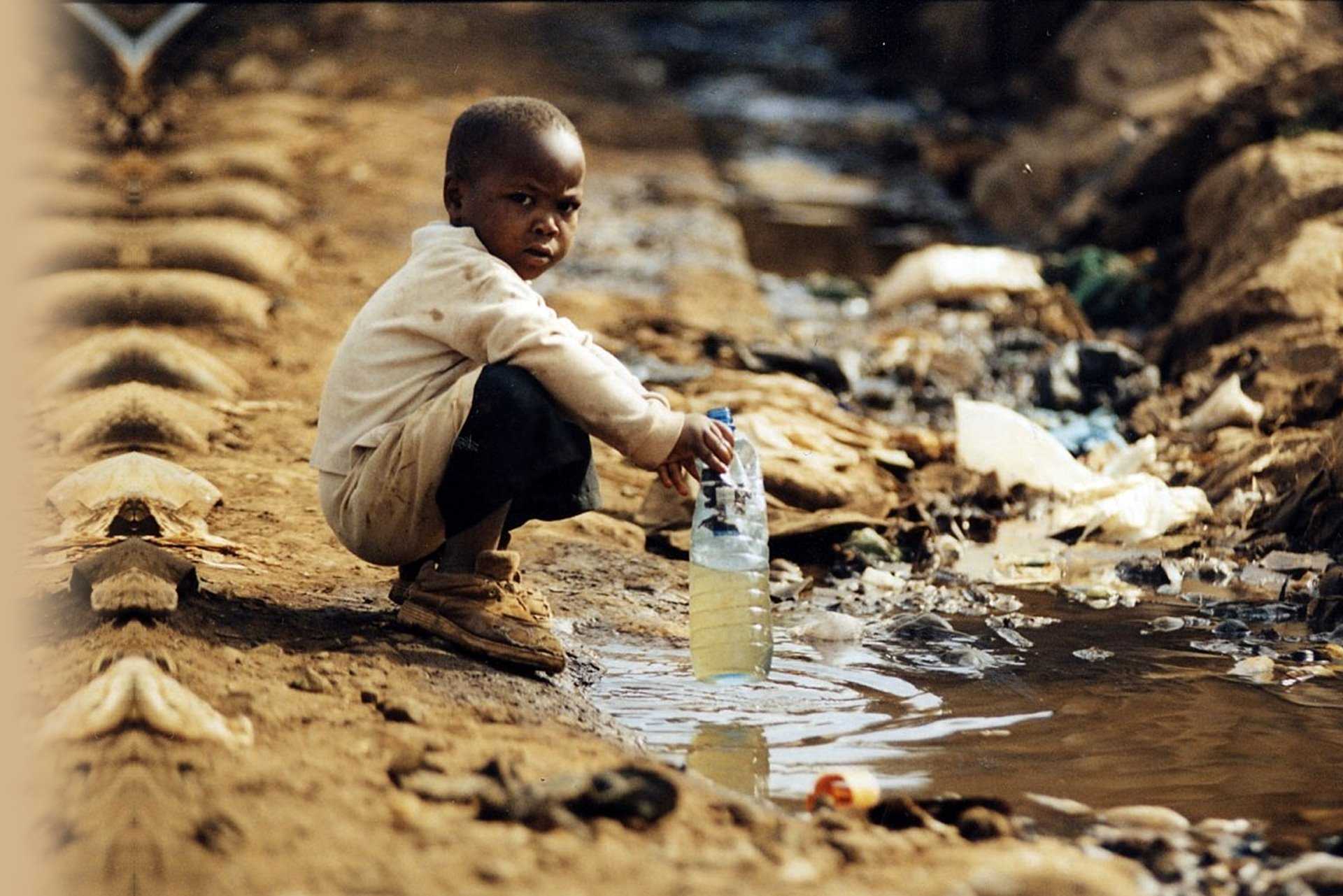
However, millions of Africans still suffer water shortages throughout the year. The Democratic Republic of the Congo is considered to be the richest country in the world with regards to natural resources. With its abundance of freshwater resources, the country suffers from a lack of clean drinking water.
Northern Africa has 92% of safe drinking water and the Sub-Saharan (SSA) region, 60%. This leaves more than 320 million Africans without proper access to clean drinking water. It is said that this could be attributed to the continent’s extreme climates and is a major driver of diseases such as diarrhoea, cholera, dysentery and typhoid with more than 300 000 annually succumbing to diarrhoeal diseases as a result of poor water and sanitation practices.
Poverty plays a big role in access to proper water and sanitation and most of the world’s poorest countries are situated in SSA.
A water shortage exists when there is not enough potable water for a population. This, in turn, leads to drought, famine and death. Not only does Africa suffer from insufficient drinking water, but only an estimated 44% of the urban SSA population and 24% of the rural population have adequate sanitation. Lack of proper sanitation, coupled with the water scarcity, leads to thousands of deaths on the continent.
The only way to change this situation is education, teaching new behaviours, consumption and lifestyles. With the predicted upcoming water scarcity in Africa and the world, better understanding of the phenomenon is necessary.
Innovation with regards to new water conservation technologies is needed with energy consumption at the heart of these technologies which are seen as the only way forward. It is already predicted that the biggest wars in the future would be over water.
On World Water Day this year, panellists called for a different mind-set in waste water treatment and recycling. As in Singapore, grey water could be recycled to become drinking safe. By improving existing agricultural and irrigation methods which use 70% of the world’s fresh water, supply and demand gaps could be addressed.
In Australia, Central Asia’s Aral Sea and the American Southwest, water had become a scarce commodity, but experts are of the opinion that the situation could be turned around by improving systems which are already in place. According to the Organization for Economic Co-operation and Development (OECD), raising water prices would go a long way towards lowering waste and pollution. But Circle of Blue’s latest investigation into water pricing systems in major U.S. cities indicated that utility pricing systems are obsolete, send the wrong signals and need reform. Also, in South Africa, especially rural residents are loathe to pay for services and increasing water prices would just leave municipalities with larger deficits. Five provinces in the country owe billions to water suppliers already.
Desalination plants had proved to be an energy-intensive solution. The Middle East had capitalised on its large energy reserves to build desalination plants. Saudi Arabia could be fostering a new kind of desalination with its recent announcement to use solar-powered plants. Britain had taken a different approach with small-scale facilities for agriculture. But innovation is costly and in Africa there is not enough investment capital for technological experimentation.
Another option is to improve water catchment and harvesting in areas with only one reliable water source. Pakistan and India had been redressing rainwater harvesting systems. This provides independent control of water resources.
Across Africa, community-based governance and partnerships between indigenous groups could ensure more effective governance at grassroots-level affording communities’ stature and could lead to effective policy changes on a national scale. This brings better policies and regulations into the equation. Clean Water Acts should offer sufficient water protection and prohibit waste to be dumped into fresh water supplies.
Holistically managed ecosystems should be taught and with its practical approach to caring for natural resources would be an ideal situation for Africa to set economic, cultural and ecological goals. Communities could operate their own sewage treatment plants, entering into partnerships with clean energy producers to use waste water for fertilising biofuel crops. The crops, in turn, soak up nutrients and purify wastewater, significantly reducing pumping and treatment costs.
Especially in SA, the infrastructure is old and badly maintained with very little maintenance in place. This
proves devastating to health and the economy, wasting resources, adding costs and eventually diminishes quality of life as preventable water-borne diseases kill residents who look towards their respective governments to provide clean drinking water. The problem is not confined to the developing world and even in first world countries malfunction of infrastructure costs millions and lives.
Activists had for some time been calling on governments to shrink corporate water footprints. Industrial water use accounts for an estimated 22% of global consumption. The corporate footprint includes water that is directly and indirectly consumed when goods are produced. As sustainable manufacturing becomes more important, given the increasing severity of water scarcity, experts had been questioning the costs of bottled water in particular.
Binding international accords for natural resource issues are hard to achieve. The 2009 United Nations Climate Change Conference in Copenhagen is evidence that this problem seems to be bigger than the freshwater crisis. The issue, arguably the most visible and dire of climate change risks, was ignored. Regional agreements regarding transboundary or shared water bodies such as the Nile River basin agreement in Africa are just as difficult to ratify. But policymakers and advocates need to continue trying. Humanitarian-oriented treaties, such as the U.N.’s drinking water Millennium Development Goals indicate that comprehensive global strategies are possible.
Measuring and monitoring water quality is essential to human health and biodiversity. While securing the quality of drinking water at the local level, it is essential to build international bridges to solutions.
One of the key United Nations’ Millennium Development Goals (MDG’s) is ensuring access to drinking water. While the steps to achieve this goal are debated, the thesis that water is a basic right comes into play and with politicians debating pros and cons, this could take too long to save a continent.
It is said that access to water in a future water-scarce world would become a much higher priority in business decisions. Communities are likely to pursue public-private partnerships drawing on the innovative capacities of companies.
Climate change and water scarcity are producing the most dramatic consequences in developing regions, such as northwest India and SSA. One proposed solution is to transfer water conservation technologies to these dry areas. Doing so is tricky because these economies are weak and there are severe skills which force governments and business authorities to impose such changes on local citizens.
Climate change and water scarcity go hand-in-hand and would cause some of the biggest challenges to the human race. These issues have a reciprocal relationship, identified by the Intergovernmental Panel on Climate Change (IPCC), in which, “water management policies and measures can have an influence on greenhouse gas (GHG) emissions.” As renewable energy options are pursued, the water consumption of these mitigation tactics must be considered in producing alternatives, ranging from bio-energy crops to hydropower and solar power plants.
Because of the accelerating growth in global population, parts of the world could see a supply-demand gap of up to 65% in water resources in another decade. With 70% of the world’s fresh water used for agriculture, water’s critical role in food production must be considered as climate and resource conditions change.
(Sources: CircleofBlue/Globescan/WHO/UN