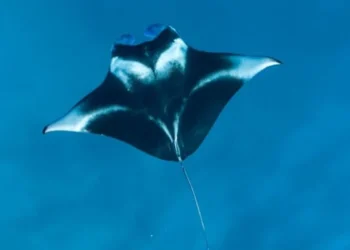


The Convention on International Trade in Endangered Species – CITES –voted to upgrade whale sharks and all mobula (including manta rays) from Appendix II to Appendix I, the highest level of protection from international trade.
CITES is a global agreement between 185 governments – almost every country – to regulate international trade in wild animals and plants. For sharks and rays, it is the platform where countries decide whether it should be allowed to trade in the meat, fins, gill plates, or other body parts of endangered wildlife and under what conditions. The conference only happens every 3 years or so and any change in status needs a large majority of countries to agree. Any agreed-upon change then becomes legally binding for all CITES member countries.
Appendix I is the top tier – reserved for species at serious risk of extinction. International commercial trade in their parts is banned and governments are legally obliged to trade and enforce the rules. It is extremely difficult to place a species onto Appendix I, making this decision a significant step forward. In practice, it means any shipment of their products should immediately raise a red flag with customs and enforcement agencies.
Most legal fisheries for whale sharks have now ended, because they ran out of sharks to catch, but manta rays and their relatives are still targeted in fisheries, mainly for their gill plates and meat. Moving them to Appendix I removes any legitimate incentive to catch these endangered animals to supply international demand, simplifies enforcement and makes it much harder for anyone to argue that these fisheries are acceptable. The law is now clear.
The Marine Megafauna Foundation team has been closely involved in the process. Dr Andrea Marshall led the global conservation assessment of giant oceanic manta rays, reef manta rays and several of their mobula cousins, highlighting the threat to these species from fisheries. I led the new global assessment of whale shark conservation status, formally published this year. These assessments brought together monitoring data and threat information from research teams around the world, and they were central evidence for both CITES and other international policy processes.
Through this year, MMF scientists are providing technical input to the CITES proposal process and its scientific review panel, working directly with countries which asked MMF for detailed information on the national and regional status of these species so they could make informed decisions on whether to support the proposals. It’s been great to collaborate with governments and organisations that are genuinely keen to see these animals get the protection they need to recover.
Extra good news is that CITES didn’t stop with whale sharks and mobulids. Several other sharks and the rhino ray species – large coastal rays, including wedge fish and giant guitarfish, heavily fished in many regions – were also moved to Appendix I. Work continues, particularly in Mozambique to research and conserve these amazing rays.
These successes reflect many years of work by a wide network of people and organisations: scientists collecting data under difficult conditions; NGO’s and community leaders advocating for change and government representatives who are prepared to stand up for endangered species in a highly political, often contentious forum. The negotiation process is rarely smooth. There is lobbying, pushback and sometimes open resistance to stronger safeguards. Against that backdrop, seeing such clear decisions in favour of these threatened sharks and rays is both rare and encouraging. It has also been genuinely inspiring to work alongside other organisations and government teams who are determined to see these animals get the protection they need and deserve to recover.
At the same time, Appendix I listing is not the end of the story. These protections are reactive, rather than proactive – the global populations of these species are at serious risk. At least half of the global whale shark population has been killed since the 1980’s. Being protected on paper is very different to being protected in practice and there is plenty of hard work ahead.
MMF’s focus remains on achieving effective protection for these and other endangered species in their key habitats and on continuing to reduce human impacts on threatened ocean wildlife. The new CITES listings give us stronger tools and a clearer mandate, but turning that into real change still depends on sustained on-the-ground science, education and conservation to ensure these awesome animals can actually recover. That includes building local capacity, by training the next generation of researchers and conservation leaders in the countries that matter most for these animals.