Alex Rose-Innes
WITH the long-term international demand of bauxite increasing by 255% during the last 10 years, an Australian firm is going ahead with plans to development a bauxite mine in north Cameroon. This commodity is in global demand as the primary raw material used in the production of aluminium.
The Minim Martap mine would supply ore and be transported via rail to the port of Kribi. Sea transfer of bauxite is the most popular means of transport across the world and Cameroon’s deep water port in Kribi can accommodate large ships. However, a new railway line needs to be erected over an area of 130km to access Kribi.
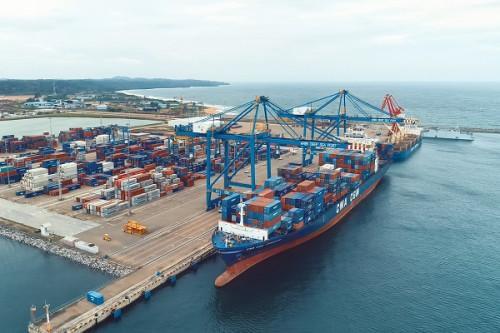
The deep-sea port of Kribi
Ore would be exported and turned into alumina to be used in the final aluminium product. According to a due diligence study, China would be one of the main markets to be targeted.
The developing company said the latest study showed that more bauxite could be extracted than originally indicated and with the revenue generated from Minim Martam, another mine could be sunk adjacent to the first site. The estimate of reserves to be extracted from the first mine had increased from 550 million tonnes to almost 900 million tons over the mine’s lifespan. An annual tonnage of 5 million is predicted.
Although Cameroon is one of only a few countries able to produce aluminium, costly upgrades would be needed for the new venture and a result of this, the project would be phased in as revenue is generated. Currently Guinea controls most of the bauxite sea exports from the African continent, but with Cameroon entering the market, it is expected that Africa’s global importance would increase substantially and the country’s economy would receive a major boost as its residents would benefit from more needed sustainable jobs.
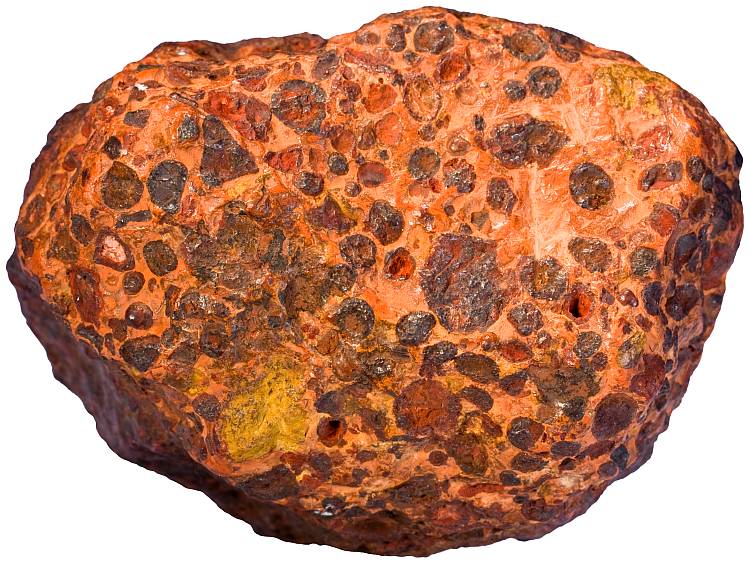
Bauxite is the main component in aluminium products.