Alex Rose-Innes
Mohamed Dhaouafi’s inquiring mind and his family’s belief in the benefit of continued education, led him to bring about change for, as he says, “amputees who live in a world built for humans with four limbs.”
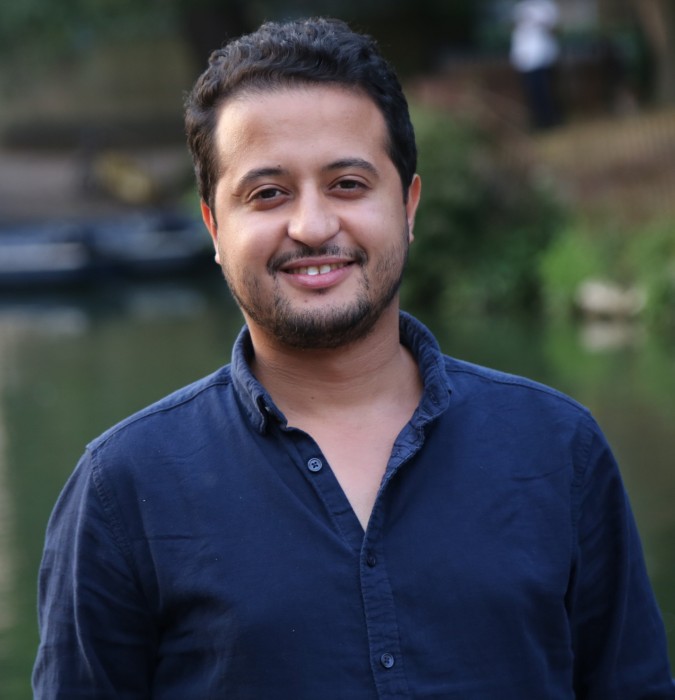
After attending the Lycee Pilote de Sousse High School where he was taught to develop critical thinking skills, he obtained an engineering degree in electronics and embedded systems in his country, Tunisia. He also successfully completed a masters’ degree in Non-Governmental Organisation (NGO) management.
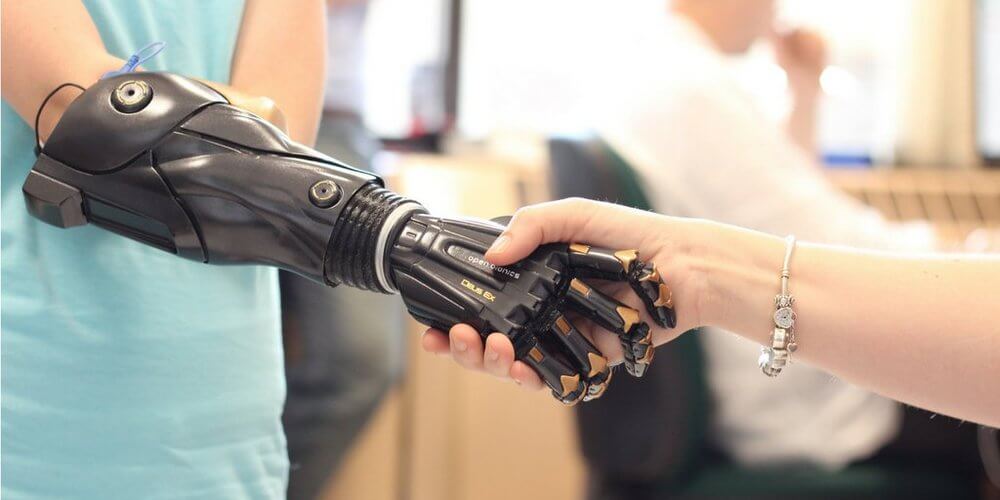
Throughout his life he had always looked out for others and it was no surprise that his business should be based on assisting the less fortunate. Dhaouafi founded CURE Bionics, a North-African company specialising in designing and providing low-cost bionic limbs and the provision of rehabilitation solutions for those living in rural areas. CURE prints 3D bionic hands for the poor and teaches those with limited resources to use their new limbs through virtual reality programmes.
On his journey towards becoming an entrepreneur, Mohamed joined a Junior Enterprise Network where he learnt the basics of entrepreneurship and his interaction with various gifted students provided him with a keen business eye for opportunities in his own country. As part of a youth council funded by the Polish government, he worked on empowering local women by training them to start small craft businesses and become self-sufficient.
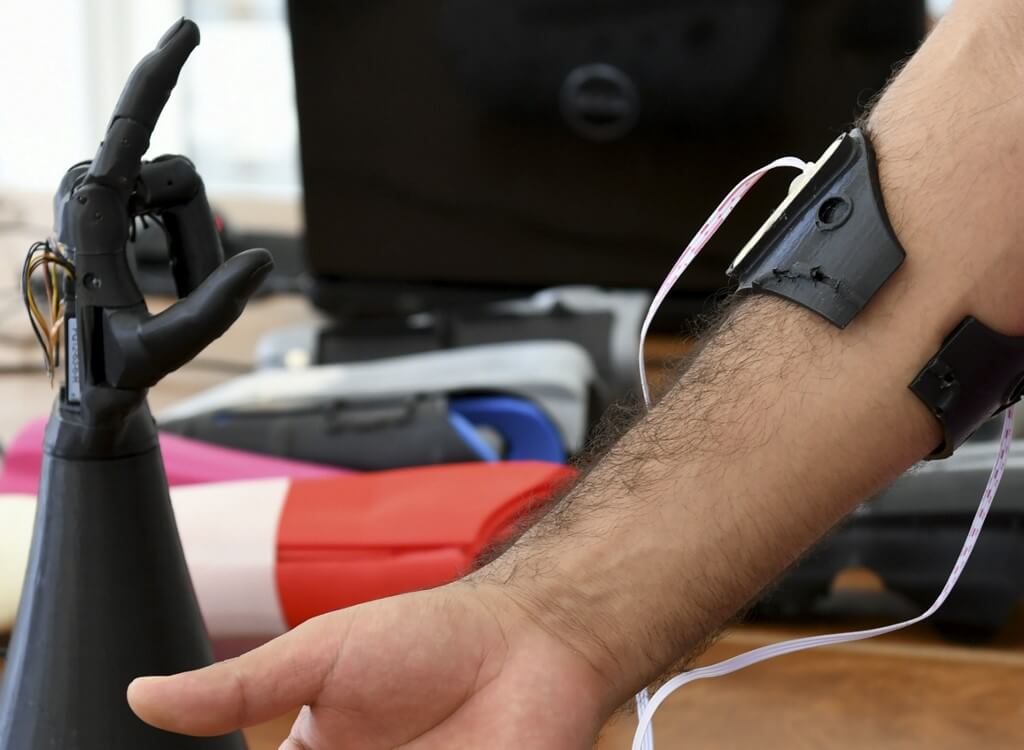
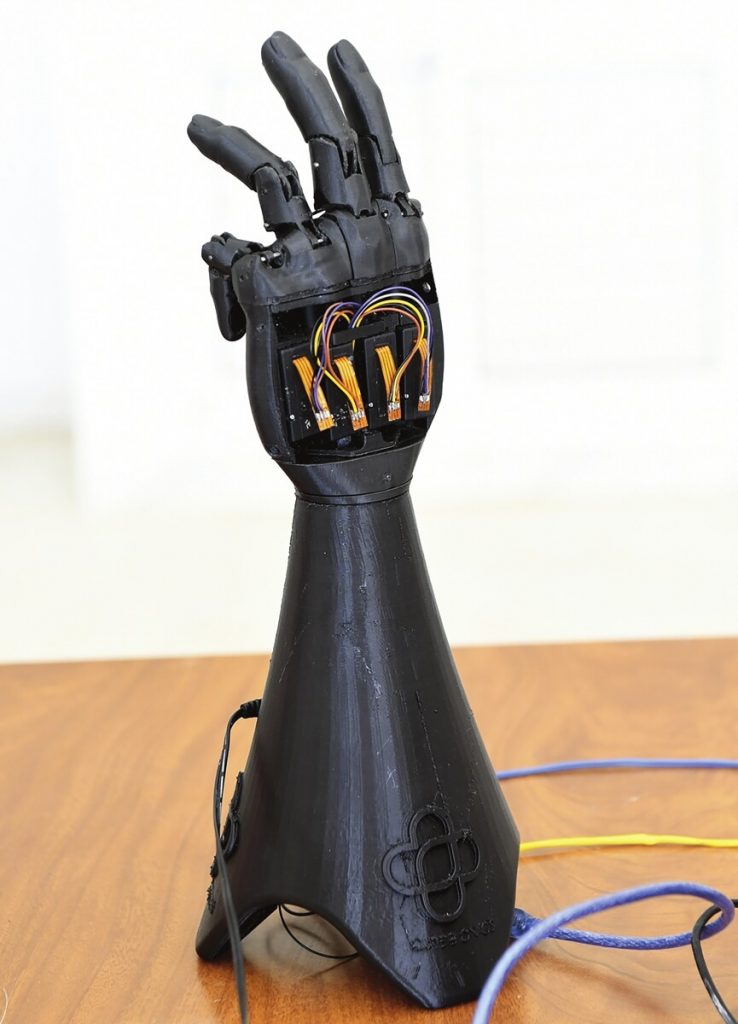
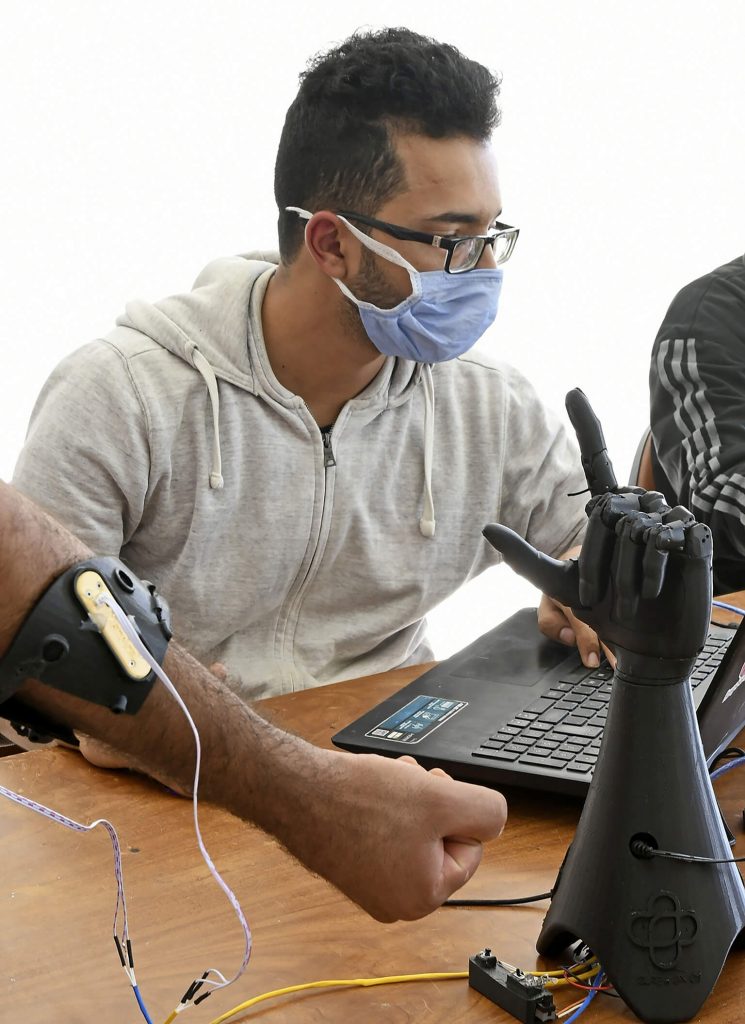
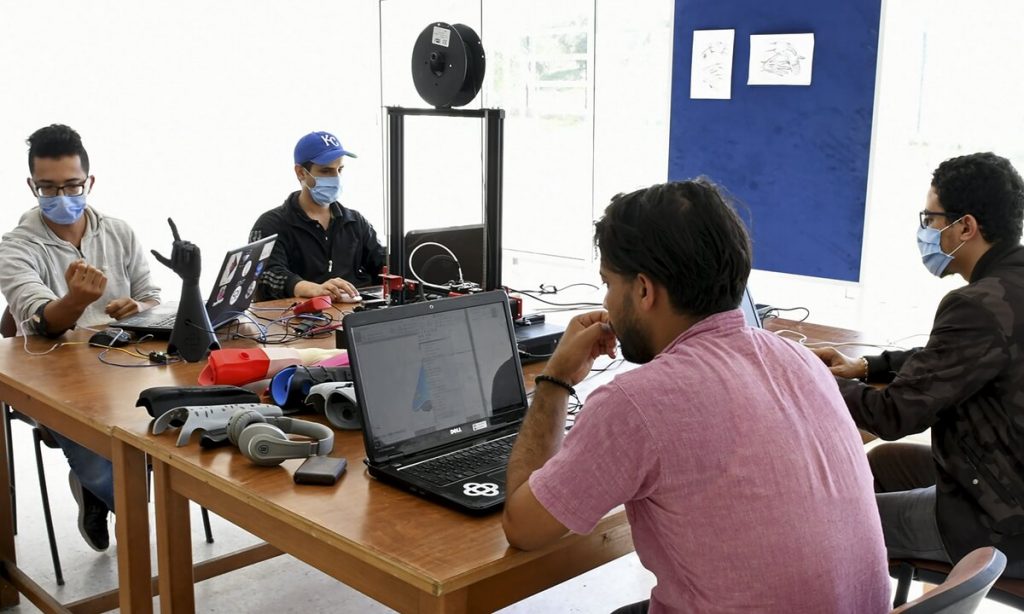
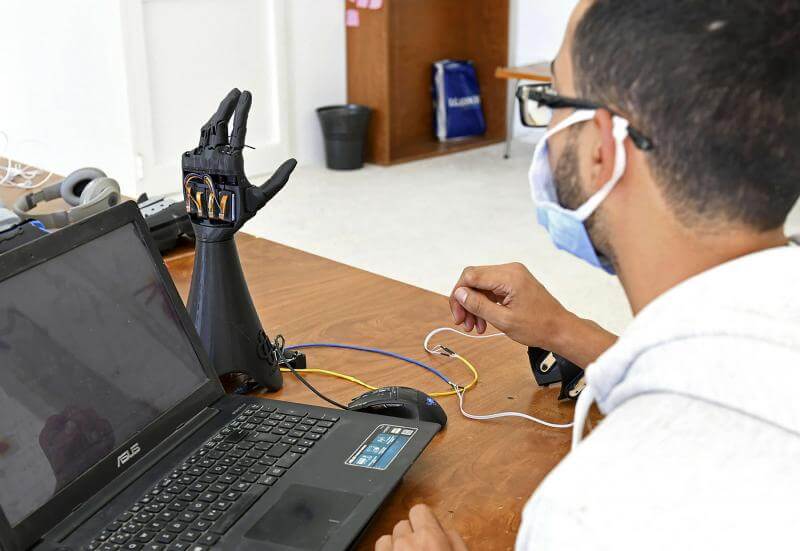
Six years ago, as president of a community project, he implemented various programmes to benefit the environment. All these led to his ultimate goal of making a difference and after visiting a hospital for poor children amputees, CURE Bionics was concepted and born. Mohamed realised that very few options existed for small bionic limbs as many children’s’ parents were poor and could not afford expensive interventions.
With assistance and training from the Tony Elumelu Foundation Entrepreneurship Programme he was able to obtain finance for his project which until then had seen very little profit due to its peculiar field. However, today the world had taken notice of this young North African man and he had received recognition and support from local and global organisations and authorities. As an Obama African Leader, his work was also recognised by the country’s late president and at a United Nations Solution Summit his project was chosen as one of eight best globally.
Not satisfied with success in just one area of his life, Mohamed participates as panellist, speaker and trainer in more than 60 national and international student programmes. CURE Bionics employs three people in research and product development but plans are already afoot for commercial production of the first fully African-made prosthetic hand. The company is also in the testing phase to roll out a Virtual Reality Rehabilitation Programme as funding is sought for the project.