

Alex Rose-Innes
If ever anyone harboured any doubt regarding the absolute necessity for STEM in especially the agricultural industry, a University laboratory study just proved how important it is in caring for the planet, in innovation and at the hands of female scientists.
In a breakthrough scientific research project, Professor Adebola Oyedeji and her team of students, found a way of repurposing citrus waste to safeguard maize, an African staple food. Prof Oyedeji from Nigeria is Professor at Walter Sisulu University in the Department of Chemical and Physical Sciences in the Eastern Cape and considered an expert in her field. The group of seven students involved in the project included post graduate scholars in chemistry, zoology and economy.


The Kalander (Weevil) from the family Curculionidae, with more than 48 000 species worldwide, are well known in South Africa as a maize pest, able to ruin entire bags of corn.
Now, thanks to the work of Prof Oyedeji and her research team, citrus waste such as leaves of pruned trees and fruit that fell off these trees, could be used to safeguard stored maize against plagues and pests. Even rotten and damaged fruit can be used instead of being thrown away.
The study included research into how powdered citrus leaves and peels could be applied to stop these critters without harming the environment. According to Prof Oyedeji, the team wanted to identify certain medicinal herbs which are available on the African continent but which had not yet been put to proper use and were, until now, mostly discarded.
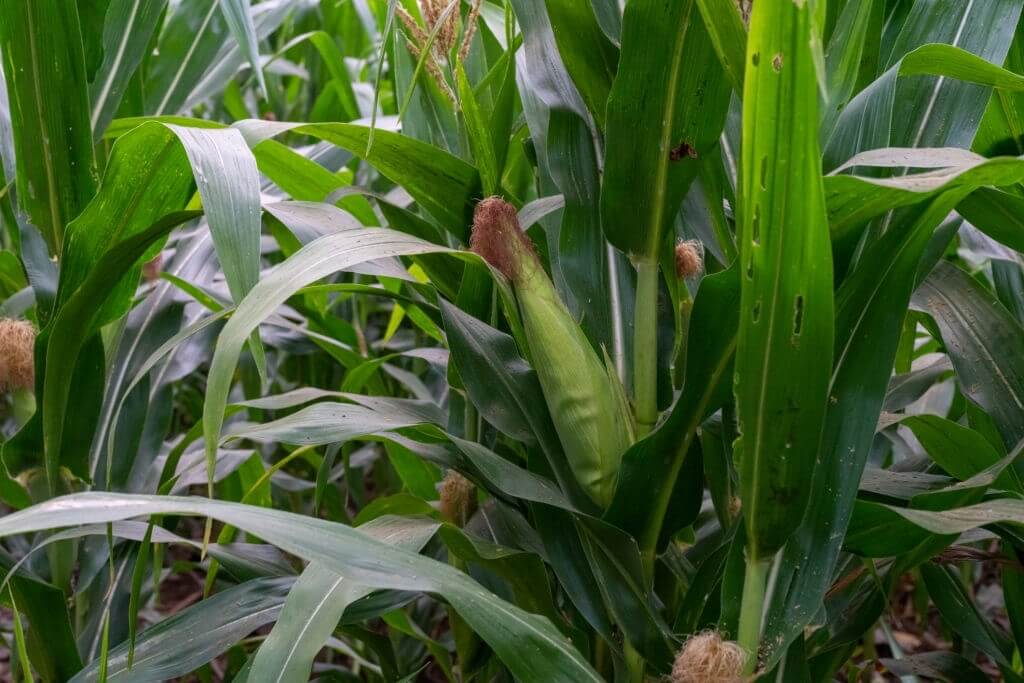
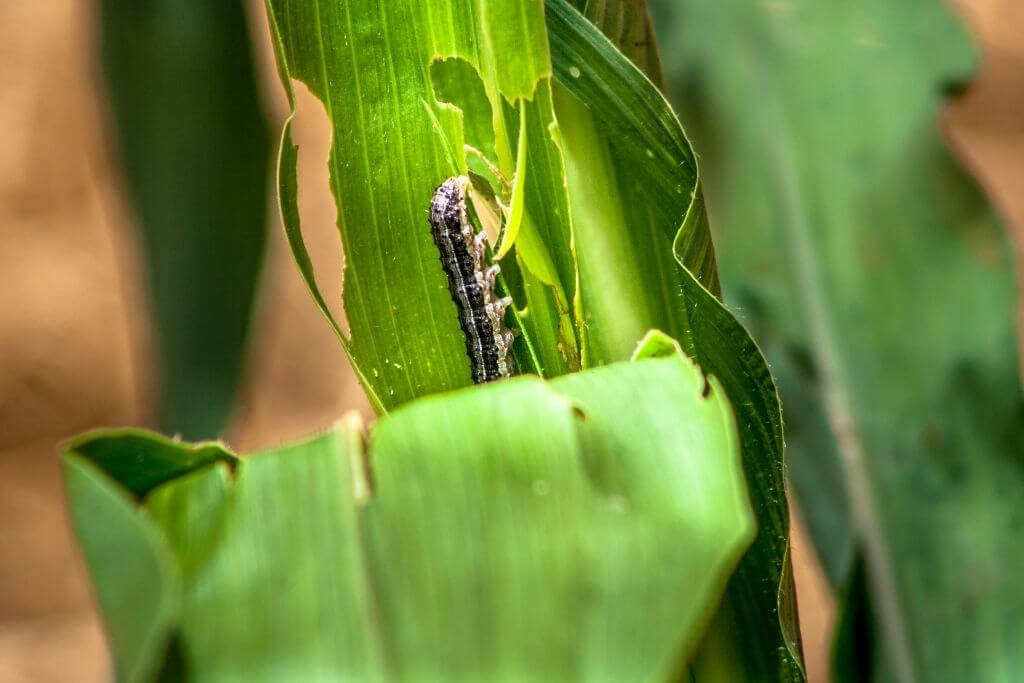
With maize being such an important part of the diet on the African continent, many pests which are able to ruin a harvest, can in future, as a result of the research and findings, be safely addressed without the need for expensive and soil-harming pesticides.
Previously, weevil infestation was controlled by fumigation of larval and pupae stages. Heating grain to 60C can kill larvae and may decrease germination, but could affect the baking quality of flour. Other natural and time consuming ways were wiping off these pests with white vinegar.
Corn was also kept at low temperatures as an alternative to diatomaceous earth, by storing it in a refrigerator at 0F for four days. This was expensive as many maize farmers, especially subsistence farmers, do not have the necessary facilities or finances to affect this.
What makes weevils especially harmful is their long life cycle of about 30 to 40 days during summer and 123 to 148 days during winter, depending on temperature. The granary weevil is long-lived, surviving for seven to eight months as an adult.
The South African Department of Innovation and the Scientific and Industrial Research Council provided R2 million for this successful project to be launched at three farms so far. It would be further branched out depending on the success of these novel and breakthrough findings.