
Alex Rose-Innes
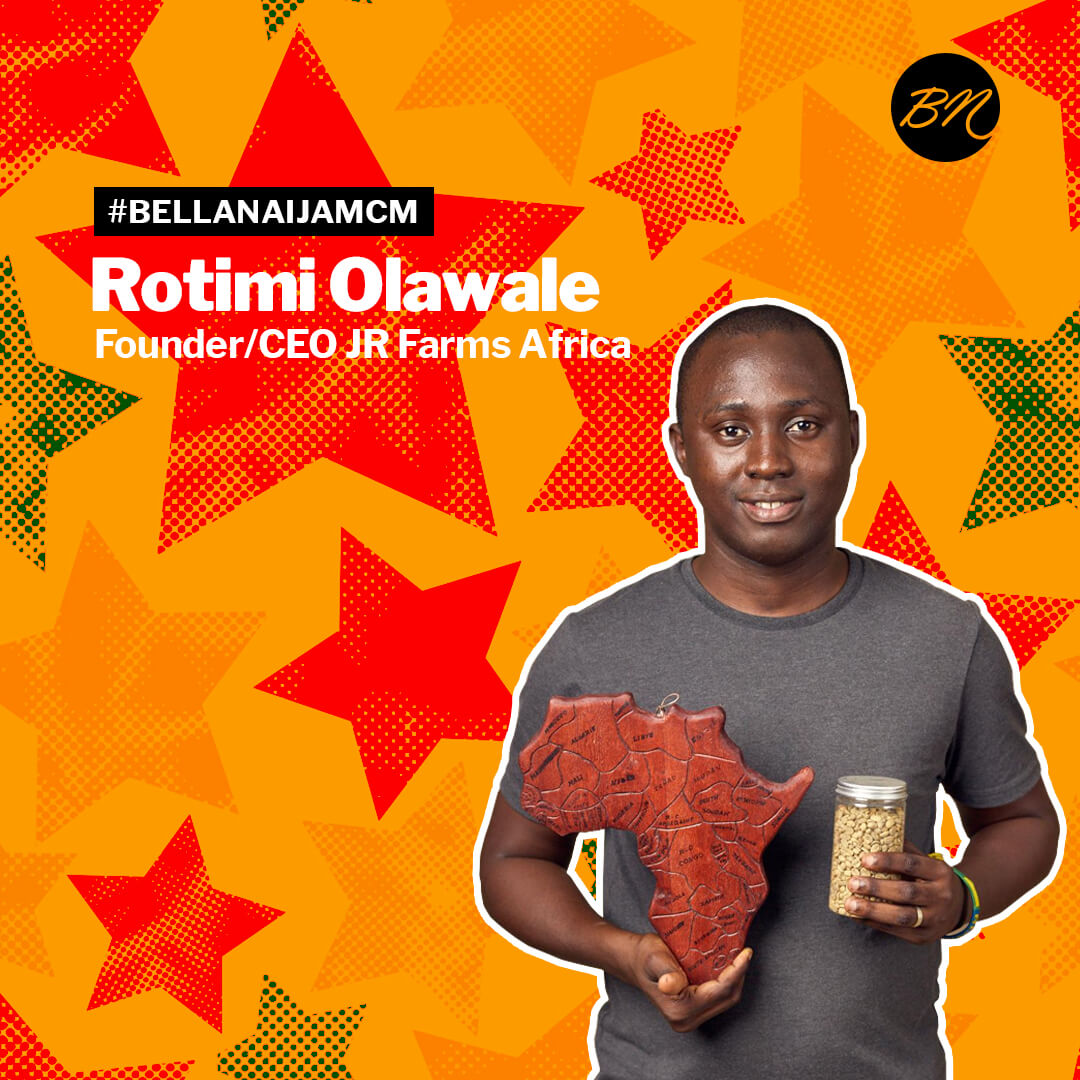
This is not only a story about business success, but about dreaming, growing, learning and overcoming. Despite the challenges, Olawale Rotimi Opeyemi’s JR Farms is proof of the determination and strength of the human spirit. Today, this agri-processing and trading business operates across Nigeria, https://www.fao.org/news/story/en/item/1379634/icode/Rwanda and Zambia, providing food on the continent and ensuring sustainable incomes for many Africans.
JR Farms trades in garri, a cassava-type of flour, coffee and livestock feed. From humble beginnings, it had grown to not only provide food, but is now involved in agro-consultancy and agro-trading with its motto of adding value to agricultural in Africa.

As a young child, Opeyemi peeled cassava and fried garri in his uncle’s factory in Nigeria. Despite taking off a year to become involved in Nigeria’s Service Corps Youth Programme, he realised that the future of Africa lay in agriculture. Almost nine years ago, he started a small co-op for 100 farmers in his country, buying and selling cassava.
The business failed, but Opeyemi learnt valuable lessons. He also understood that farmers and consumers on the African continent battled with bureaucracy, the processing gap and the additional costs of middle men. He knew that a large factory was needed to meet the demand for value-added agri products. Also, to enable Africans to produce for their own needs and cut out high import costs, commercial large-scale farming was needed. Informal traders, small farmers and middle men who increased the cost of fresh produce to make a profit, were not the answer to the increasing continental food demands.
Technology, such as e-commerce platforms put farmers in direct contact with retailers and businesses and by thinking bigger and embracing the digital revolution, Opeyemi set up two factories in Zambia and Nigeria. However, this was not easy with all the red tape and finding a working way around the rules and regulations of different countries.
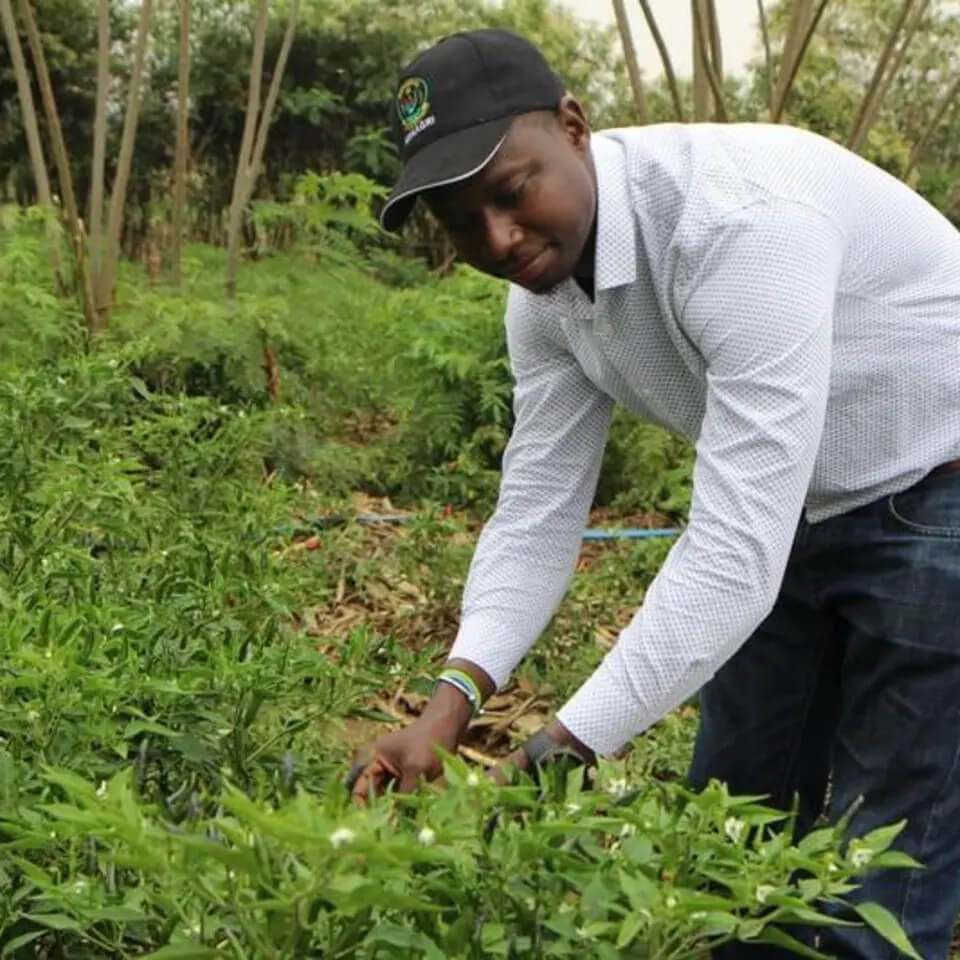
He said that he learnt the hard way that the African way of doing things take a long time, was painful and required proper planning which changed along the way. Managing vendors, suppliers and contractors required a hands-on approach.
The money for the start-ups came from the personal finances of the Opeyemi pockets, but today JR Farms have external shareholders. The business expertise acquired along the way showed this able businessman that in order to have freedom to make decisions and transparency throughout the entire supply chain, needed project-based shareholding. This meant that external shareholders were only allowed to invest in a specific factory and not the general business.
Do not accept investment from anyone, especially those who only want to see financial returns and be careful of crowdfunding, says Opeyemi. His advice is to grow solid results before raising outside investment as people invest in results. And keep within the law, obtain the service of trustworthy lawyers and set up a proper governance structure.
He said that bureaucracy is worst in Nigeria and that dealing with governments in Zambia and Rwanda is digital and much easier. However, the Nigerian market is bigger with more money available and consumers willing to pay higher prices for food. Most farmers in Africa are old and young people with all the millions of dollars now being invested in agriculture across the continent, do not have the experience and quit too soon.
JR Farms are going from strength to strength and is planning to add more products and branch out to Ghana and the Ivory Coast. Plans to trade in tea in East Africa are also afoot, as is a coffee roasting plant in Kenya. There is no doubt that Obeyemi and JR Farms have a solid future and not only on the African continent.