Alex Rose-Innes
Ahead of the 9th World Water Forum, UNICEF in Senegal, had called for greater investment to scale up the Community-led Total Sanitation (CLTS) approach in the country
According to the latest data from 2017, only one in two households (49%) in this country in Africa, have improved toilets and more than 2.5 million people, especially in rural areas, still practice open defecation.
“Poor sanitation puts children at risk of childhood diseases and malnutrition that can impact their overall development, learning and, later in life, economic opportunities” says Silvia Danailov, United Nations ICEF UNICEF representative in Senegal. “Without basic sanitation services, people have no choice but to use inadequate latrines or to practice open defecation, posing a risk to health and livelihoods.”
In a statement by the largest pan-African communications agency, APO, who works on behalf of the United Nations Children’s Fund (UNICEF), more funding support is needed to help the country end this health hazard practice by 2030.
While acknowledging recent progress, strong leadership and commitment of the Senegalese government in scaling up the Community-led Total Sanitation project, current support relies heavily on UNICEF financing. UNICEF supported the Government for the development of a Senegal Open Defecation Free roadmap and a guide for its implementation. Financial support provided by UNICEF thus far amounts to US$ 4.5 million.
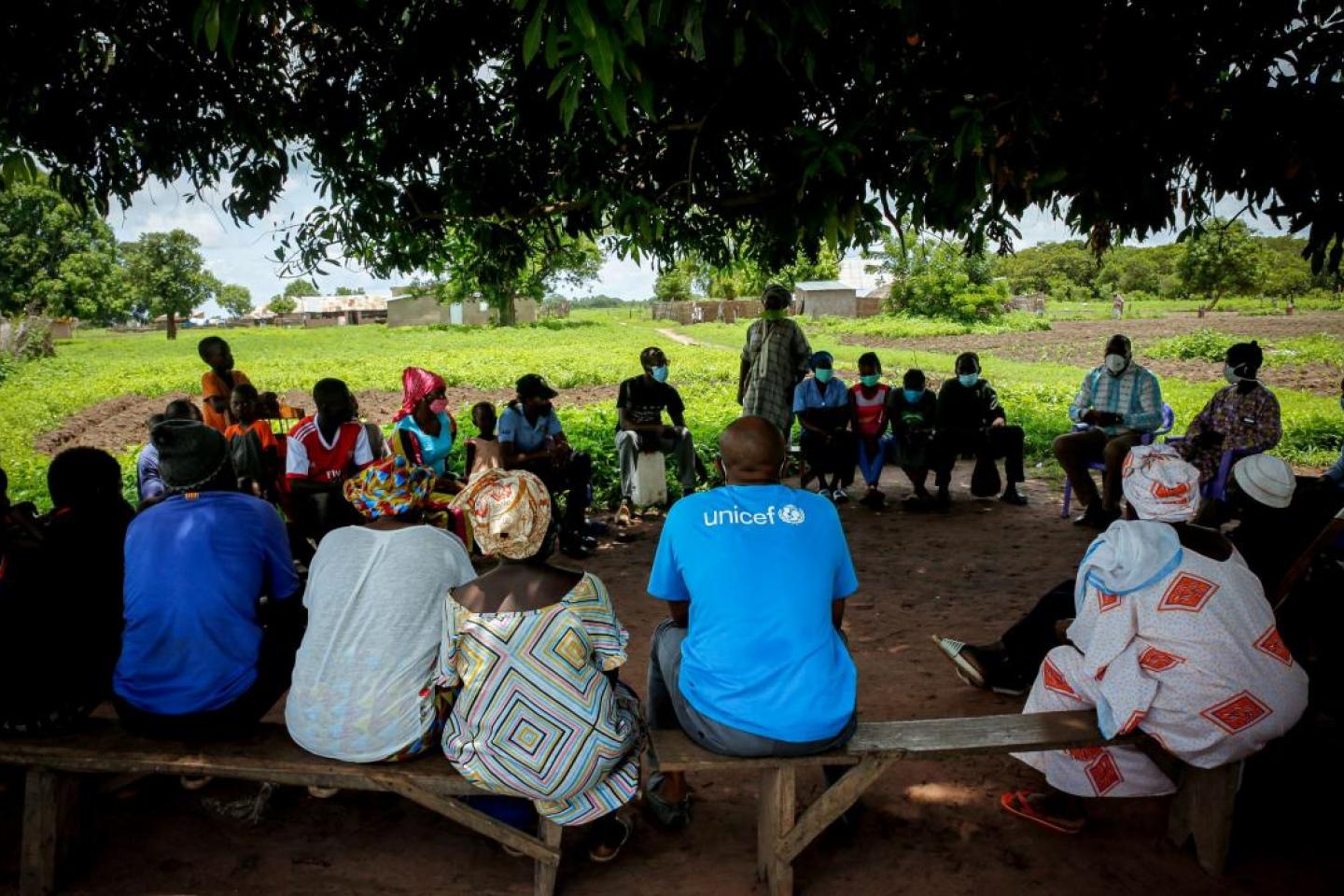
Introduced in the country in 2009, the Community-led Total Sanitation is simple and an extremely effective strategy resting on positive behaviour change by communities who are convinced that open defecation leads to contamination and disease and are prepared make the crucial change to end this.
Since the start of the programme, a total of 1.8 million people from 4,300 villages have abandoned open defecation in the country. The institutionalisation of the expanded CLTS approach such as working with other sectors including health, education, nutrition, birth registration and social protection, aided in reinforcing community adherence to the approach. With UNICEF support, more than 6,100 of the 11,000 targeted villages are already behind this approach in the country.
“Now is the right time to accelerate and scale up the approach. UNICEF urges swift action and robust financing to close the gaps and reach the most vulnerable. Without additional support, we will not meet the objective of making Senegal Open-Defecation Free by 2030,” Danailov was quoted by APO.
Tackling sanitation and water
Senegal has also achieved progress in the expansion of sources for the provision of safe water. Eight out of 10 of households have access to drinking water from an improved source but major disparities still exist between regions. In Sedhiou (25.6%) and Kolda (23.5%) regions, 1 in 4 households do not have access to improved water sources. While tackling proper sanitation, the country, with the assistance of UNICEF is also ensuring clean water resources for its people.