
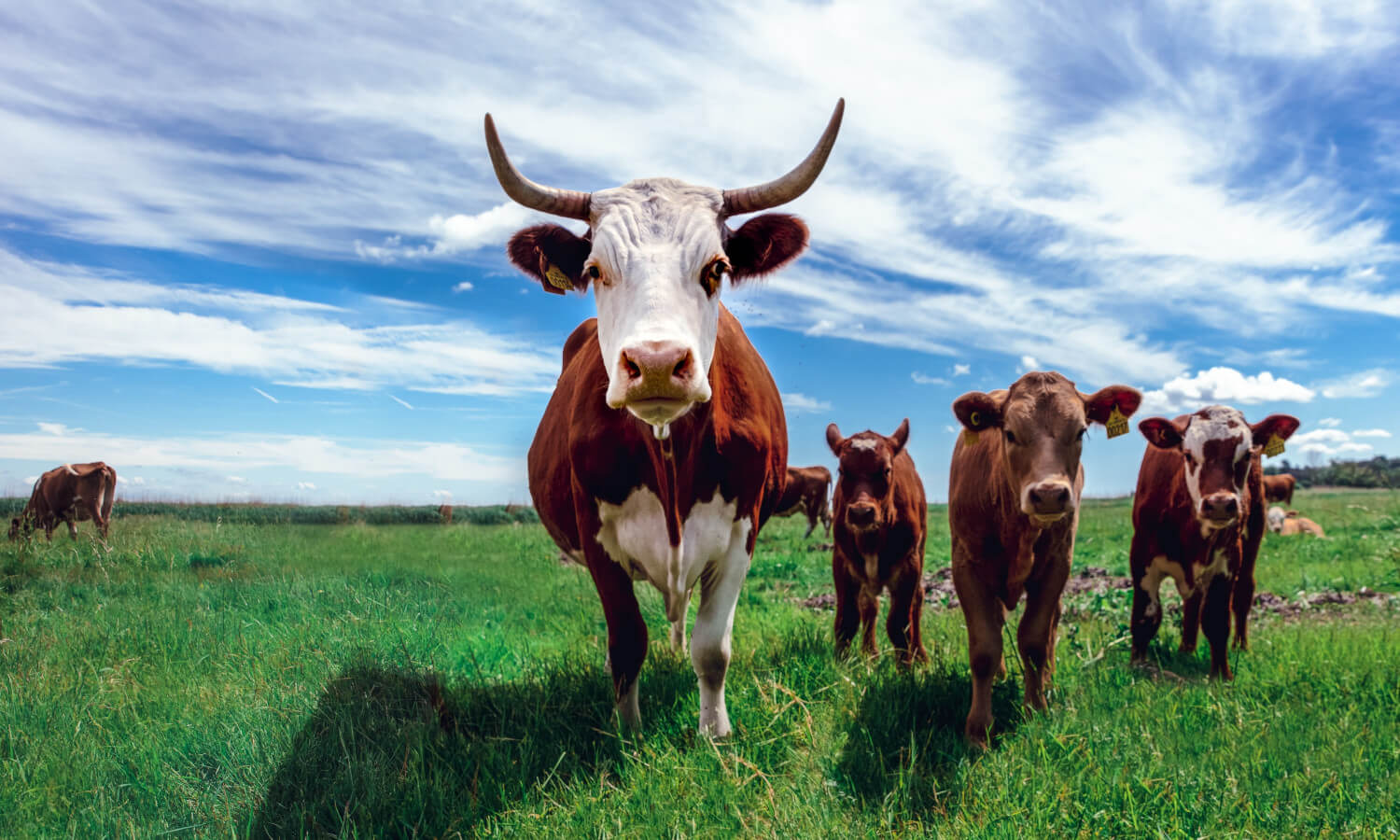
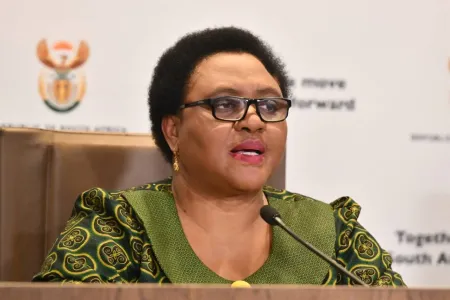
The Minister of Agriculture, Land Reform and Rural Development (DALRRD), Ms Thoko Didiza, has lifted the 21-day ban on cattle movement across the country. According to DALRRD, the minister took the decision based on the work done by the state and private veterinary services, and animal health technicians over the past 21 days. The minister also acknowledged the support and co-operation of traditional leaders, communities and the police in assisting to limit the spread.
Increasing incidents of FMD outbreaks
The ban was imposed last month following 116 incidents of the outbreak of foot and mouth disease (FMD) in several provinces. The first outbreak was picked up in May 2021 in KwaZulu-Natal, the second was from March 2022 in the area that was previously an FMD free zone in Limpopo and this spread to the northern part of Gauteng province. The third outbreak started in March 2022 in the North West and this has since spread to some parts of Gauteng, Free State and the Mpumalanga provinces.
Protected zones
In a media statement, the DALRRD said it is encouraged that some of the provinces such as the Eastern Cape, Western Cape and Northern Cape Provinces have not had a single case before and during the 21 days. “In Gauteng and North West there has been suspected cases around quarantined farms and in Mpumalanga no new cases have been picked up in past week. In Limpopo we will retain the disease management area in the protected zone and around,” said the minister.
She said the DALRRD’s disease management area (DMA) will focus on areas where no improvement has been recorded and these include Marquad, Viljoen Skroon and Harrismith in the Free State province. In KwaZulu-Natal the disease management area will be retained in KwaNongoma, Ulundi, KwaHlabisa, eHluhluwe and eMtubatuba. In terms of the new measures, movement will only be allowed under certain conditions across the country except in the new disease management areas in Limpopo, KwaZulu-Natal and Free State.
Conditions for animal movement
According to the DALRRD, conditions under which the animal movement is permitted must be accompanied by:
- owner declaration
- recipient undertaking to isolate the animals for at least 28 days before introducing them onto the main herd and
- all stock theft documents (Section 6 and section 8 documents).
“We will continue with surveillance and vaccination in these areas that still has active infections. We call upon farmers and communities to observe the health protocols that have been put in place and refrain from illegal movement of cattle or animals,” said minister Didiza. I call for improvement in the primary animal health care and the strengthening of biosecurity measures by all farmers, feedlots and auctioneers, added minister Didiza.
Banning of cloven-hoofed animals
The outbreak of FMD does not only affect livestock farmers, particularly in poor areas, but it also impacts negatively the country’s beef export to the global markets as the disease is notifiable in terms of the World Organization for Animal Health. Countries that import beef from South Africa placed a ban on the local meat after the FMD flare up as in the case of the People’s Republic of China. In April this year, when there was another eruption of FMD, China banned the import of cloven-hoofed animals from South Africa. China is one of the main importers of the South African beef; in 2021 it accounted for about 22% of total SA meat exports.