Minister of Forestry, Fisheries and the Environment, Ms Barbara Creecy re-affirmed South Africa’s commitment to protecting its black and white rhino populations. The minister expressed her views as part of World Rhino Day celebrations observed annually on September 22.
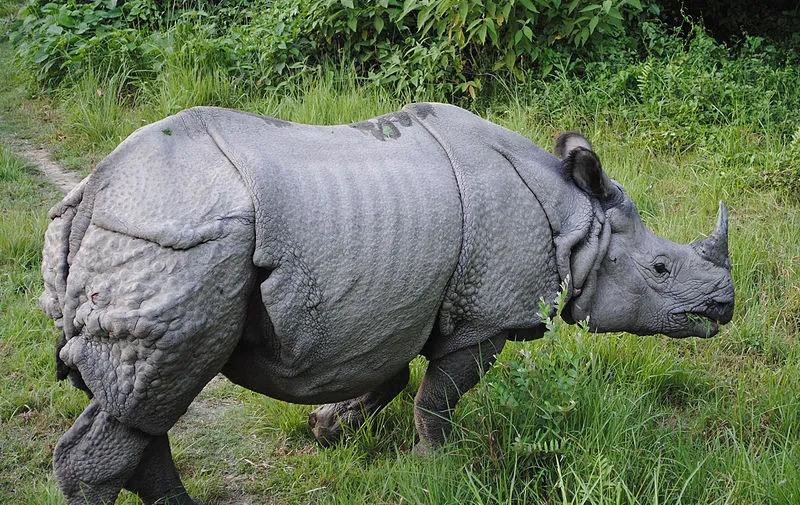
The global event celebrates all five rhino species namely, Sumatran, Black, Greater One-horned, Javan, and White rhino species. The day also aims to raise awareness about the significance of protecting the rhino population as they have become critically endangered because of the widespread poaching. The minister used the occasion to share some of the conservation plans and measures her department is currently engaged in to address rhino poaching in the country.
Responsive legislation
Minister Creecy said South Africa remains the world’s leading and potentially influential rhino range state in spite of the increasing rhino poaching, loss of habitat and vulnerability to climate change effects. She also said, based on the High Level Panel report, the proportion of rhino on private land has grown from about 30% in 2012 to about 60% at present, adding this is complemented by effective anti-poaching successes.
She said her department is aware of the noticeable progress made on areas such as security, biological management and responsive legislation. However, she added, there are still outstanding critical milestones, most notably on community empowerment, demand management and cabinet approval of the ‘National Strategy to Combat Wildlife’ trafficking.
Building partnerships and relationships
Minister Creecy recognised the role played by the private sector in relation to the country’s overall rhino conservation plan. “At present, the private sector is conserving about 60% of South Africa’s national herd. Therefore, government takes building partnerships and relationships of utmost importance in the conservation of this iconic species,” said Creecy. She said the DFFE is collaborating with a variety of conversation bodies and authorities ranging from SANParks, SAPS, private rhino owners to ensure they are proactive in their fight against rhino poaching. Other measures include adopting integrated approach, increasing situational awareness and information sharing to protect the rhino species.
Strengthening investigation capabilities
She says their joint investigative teams work on focused investigations with the support of the Environmental Enforcement Fusion Centre. She said the aim of the investigations is to ensure consolidation of information nationally and enhance the ability to provide analysis support, not only at a tactical level but also to investigating teams. In addition, the objective is to strengthen our capability, not only to prevent and combat poaching, but also their ability to disrupt the activities along the value chain, said minister Creecy. She said focus is on integrated, intelligence-led investigations, inclusive of the financial aspects.
Deploying technology-driven platform
Minister Creecy said last year their conservation and anti-poaching efforts have intensified countrywide through close collaboration with state-owned conservation areas, government and private landowners to reduce the poaching of rhino in South Africa. “More targeted deployment of resources is being implemented by the roll out of the CMORE situational awareness platform into the integrated wildlife zones. Through this single technology platform all role players are able to collaborate, making use of real-time insights and analytical capability, linking, for example, camera traps and ranger patrols while integrating a range of other systems,” said the minister.
Translocation of rhinos to Mozambique
She said her department in partnership with the Rhino Management Group and all relevant stakeholders are in the process of revising the ‘Biodiversity Management Plans’ for black and white rhinos respectively. She cited the recent successful translocation of 27 rhino from South Africa to the Zinave national park in Mozambique as an important example of the biological management of the rhino meta-population.
“This landmark and pioneering rewilding initiative is the result of a partnership between Mozambique’s National Administration for Conservation Areas (ANAC), Peace Parks Foundation and Exxaro Resources, in collaboration with the governments of South Africa and Mozambique,” said minister Creecy.
Over the next two to three year period, it is hoped they would have relocated more than 40 rhinos to Mozambique in a series of highly co-ordinated and carefully managed rewilding operations, said minister Creecy. She added that the first white rhino and seven black ones introduced to Zinave earlier this year are thriving.