

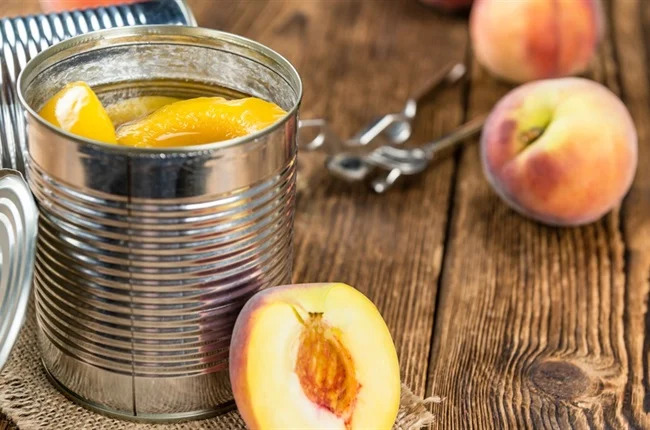
The South African fruit processing industry is facing an uncertain future thanks to the crippling load-shedding and the possible closure of the Langeberg & Ashton Foods (LAF), according to the Canning Fruit Producers’ Association (CFPA).
Putting the industry under pressure
Last year in June, Tiger Brands, which owns the 70-year-old fruit canning facility based in the small town of Ashton in the Western Cape, announced its intention to divest from the factory threatening jobs of thousands of workers in the sector. According to Jacques Jordaan, chief executive officer of the CFPA, the uncertainty of the future of the processing industry and the worsening power crises in the country is putting the industry under tremendous stress.
Poultry sector decimated
He said as a result of the situation, farmers are hesitant to plant more fruit trees for the canning industry as they are unable to irrigate crops during critical times. Producers cannot supply crops under drip irrigation with sufficient water under the prevailing power disruptions, added Jordaan. Load-shedding has also decimated the poultry industry, according to the South African Poultry Association had to cull over 10 million 10-day-old chicks leading backlogs and critical shortage of chicken meat at retail stores, fried chicken outlets and restaurant.
Driving up production costs
The industry has been spending millions of rand to purchase diesel to run generators and keep cold storage facilities and factories running. Chairperson of the CFPA in Wolseley, Anthony Dicey, said although farmers are investing more resources in generators and solar energy to mitigate the impact of the power cuts, but that this is still driving up production costs.
Dicey said farmers are trying to acquire the Ashton Canning factory but Tiger Brands required an additional R200 to R300 million for the deal to go through. Unfortunately, farmers failed to come up with the required capital. Dicey also observed that the situation is creating inequalities in the industry as suppliers of LAF had not had any price increases for the past three years. On the other Rhodes, its competitor on the international market, has been paying producers more every year.
Good prices for the juice and puree market
Market observers say the apricot harvested for processing has increased by 4,7% from 30 118t to 31 525t. Volumes for the juice and puree market had increased from 15 970t to 17 200t, and those for the canning market had increased marginally from 14 148t to 14 325t. Similarly, according to Jordaan, fruit aimed at the juice and puree market had increased greatly due to good prices as a result of a poor harvest in Spain. Only 3 859t went to the juice in puree market in 2019/2020, which increased to 8 339t during the 2021/2022 season.
Lowering labour costs
The good prices also saw farmers diverting apricots directed at the canning and dried fruit markets, to the juice and puree market. Said Jordaan: “Sending apricots to the juice and puree market will lower labour costs, and [remove] the risk of load-shedding associated with the drying of fruit.”
He added that the cling peach and early Bon Chretien pear season had started a little earlier this year and fruit sizes were generally smaller. Jordaan said that the first peaches had already started coming in, and showed good quality. However, it is generally agreed that the cling peach harvest would be 2% to 5% smaller than the first estimate at 146 000t. The industry harvested 159 574t last year. Jordaan projects that this year’s harvest of Bon Chretien pears would be around 5% smaller than the 102 697t harvested last season.
Directly Related Post
Agri lifeline to offset impact of load shedding
In response to the crippling impact of load shedding on the country's agricultural sector, the Department of Agriculture,.. read more.