
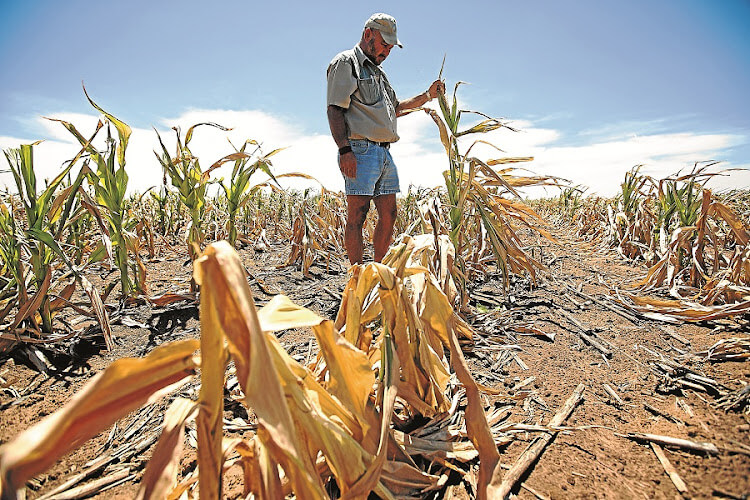
While South Africa and other countries on the African continent are receiving bumper rains, Namibia is undergoing an acute drought period which has negatively impacted the country’s livestock and grain sectors. South Africa, Namibia’s neighbour and trade partner, is experiencing above-normal rainfalls thanks to La Niña phase, which weather experts forecast is likely to persist in the early months of 2023.
Driest and arid country
According to the Namibian Livestock Producers’ Organisation, the situation is particularly worse in the south of the capital, Windhoek, which received very little to no rainfall during the 2022/2023 rainy season. Historically, Namibia is one of the driest and most arid countries on the African continent with water scarcity being one of its foremost challenges.
The country relies on surface water runoff, recycling of greywater and groundwater systems for its industrial, commercial and domestic supply. With record heat intensity, unseasonal rains and devastating floods in several countries across the globe, expert directly link the current Namibian cycle of drought to the climate change phenomenon. A Namibian technical advisor also said the drought is clearest sign of the effects of climate change.
Replenishing dwindling livestock
The chairperson of the Namibian livestock and producers’ association, Thinus Pretorius, said the drought has severely affected the country particularly because this comes hot on the heels of a similar dry spell that hit the area between 2013 and 2019. He said livestock producers were still in the process of replenishing the numbers of their livestock after that devastating drought but they are now forced to reduce numbers again.
Exorbitant costs
Other areas, according to Pretorius, which were also impacted by the drought include the western, northern and central parts of Namibia. He said grain farmers in towns and cities such as Tsumeb, Otavi and Grootfontein, which traditionally are grain producing areas, were all the hardest hit.
“The situation is dire. Even if we received rain now, we’re at the tail end of the growth season. With the first frosts, the nutritional value of the little grazing that’s left will be halved,” Pretorius told Farmers’ Weekly. He said in Namibia feeding livestock is not an option because of the prohibitive costs, adding that they import most of their animal feed from neighbours such as South Africa and Zambia.
Agriculture is primary source of livelihood
About half of the Namibian population depends on subsistence farming or agriculture and it is feared the persistent drought may deepen the existing inequalities and poverty levels particularly in the rural parts of the country. In a recent report Erastus Ngaruka, the technical advisor: livestock and rangeland management, agricultural bank of Namibia, said never before have the impact and effects of climate change been so evident in his country.
Improving soil moisture content
Ngaruka said since the 2013 and 2019 drought, rainfall in Namibia had been unpredictable and this coupled with events such as disease and pest outbreaks and floods compounded the situation for farmers. He said even if they receive rainfall in the remaining months, this will not translate into sudden recovery on rangeland productivity. However, in the long-term he hoped the situation will improve rehydration and soil moisture content, which will be needed by plants after the winter period, added Ngaruka.
Developing coping strategies
Farmers needed to develop drought-coping strategies, said Ngaruka, to ensure their animals survived until the next rainy season. He said they needed to prepare for water scarcity, increased temperatures, poor grazing conditions, and associated threats to livestock health. During drought, market prices usually fell drastically due to increased costs of production and the poor condition of livestock.