

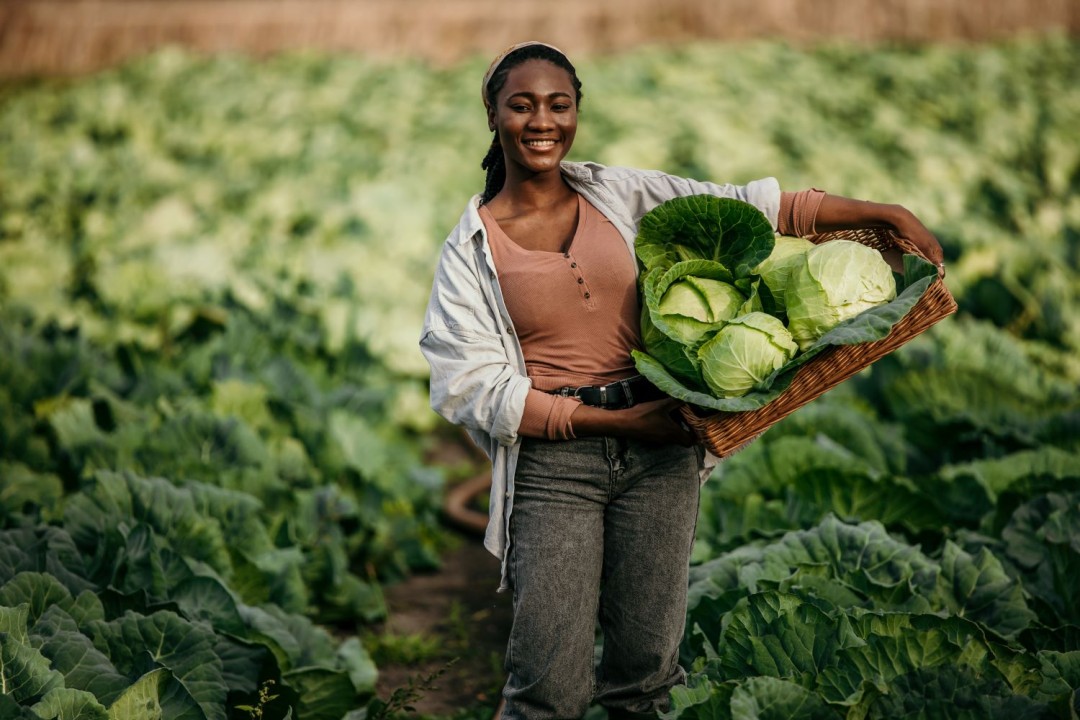
As Africa continues to develop and advance, one crucial factor often overlooked is the significant role played by female farmers in the region. From cultivating crops to ensuring food security, these women are the backbone of African agriculture. GreeningAfrika highlights the vital contributions made by female farmers in Africa and underscores the need for their recognition and support.
Enhancing Food Security
Female farmers are key contributors to the production of staple crops, such as maize, rice and beans and are vital to food security in their communities. With the rising population growth on the continent, it is imperative to empower and invest in female farmers who bear the responsibility of feeding the nation by providing them with the necessary resources, such as improved seeds, fertilisers and machinery to enhance agricultural output.
Economic Empowerment
By empowering female farmers, we unlock their potential as entrepreneurs, propelling economic growth in rural communities. Ensuring equal access to land and financial services, such as micro-credit and savings accounts, will strengthen their economic empowerment. Supporting them in acquiring modern agricultural techniques can increase their productivity and incomes.
They stand out as pillars of economic growth, especially when it comes to agriculture and agribusiness, which dominate rural economies throughout Africa – Her Excellency, Rhoda Peace Tumusiime, Commissioner for Rural Economy and Agriculture at the African Union
Climate Resilience
Climate change poses severe threats to agriculture, affecting food production and livelihoods. As female farmers have a unique understanding of local weather patterns and possess traditional knowledge, it helps them adapt and mitigate climate risks. Investing in climate-smart agriculture practices and providing the necessary training to female farmers can help build resilience to climate change across this vast continent.
Education and Health
Empowering female farmers also means investing in their education and healthcare. Access to education enables them to acquire modern agricultural techniques, improve crop yields and engage in value addition activities. Provision of healthcare facilities and support help address the specific challenges faced by them in terms of reproductive health and nutrition.
Empowering Communities
Recognising and supporting female farmers uplifts entire communities and through agricultural cooperatives and women’s groups, female farmers can share knowledge, access markets together and amplify their collective bargaining power. Furthermore, engaging them in decision-making processes at various levels promotes gender equality and creates more inclusive societies.
As we move forward, it is crucial that governments, international organisations and society as a whole prioritise the empowerment of female farmers thereby fostering a brighter and more inclusive future for Africa. Not only is their contribution to the agricultural landscape of Africa incalculable, but across the globe, female farmers are the backbone of this industry.