With over 5 trillion pieces of plastics floating around in our oceans, the dire repercussions of the effects of plastic pollution on all marine life have come to light and impossible to ignore.
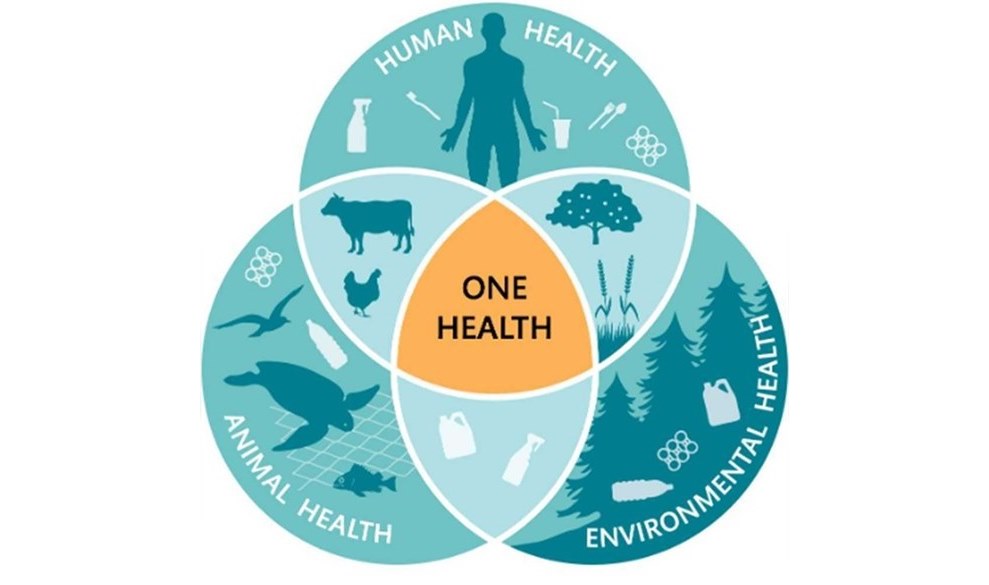
Plastics can starve birds and suffocate sea life, but further research reveals a more complex reality: plastics are equally detrimental to human health. Toxic chemicals in plastic include endocrine disrupting chemicals (EDC’s), are linked to infertility, obesity, diabetes, prostate or breast cancer, thyroid problems and an increased risk of cardiovascular disease and stroke, among others.
Micro Plastic Pollution and Human Health
Micro plastics are everywhere, infiltrating our food chain, triggering an alarm on associated health risks tied to continued exposure to plastics. Humans are believed to consume 78,000 and 211,000 micro plastic particles every year. Not only are they in the food we eat and the water we drink, they are in our skincare products, despite L’Oreal calling it a myth and completely safe, 60% of our clothes and even in the air we breathe.
It’s estimated that humans can inhale up to 22,000,000 micro- and nano plastics annually. To better understand the issue, it is essential to examine the scales used to classify plastic particles. Micro plastics are plastic particles less than 5 millimetres (mm) in diameter, about the size of an orange seed.
For particles smaller than 1 μm, they are defined as nano plastics and cannot be detected due to the limitations of current sampling and identifying methods.
To add to a growing list of negative effects, plastic pollution waste is a disease vector and the entire lifecycle of plastics contributes directly to climate change. Promoting widespread public awareness of the damage caused by plastic pollution to human, animal and all biodiversity’s health is one of the most crucial steps we can take towards addressing human addiction to plastics.
EARTHDAY.ORG, the worldwide organiser of Earth Day since 1970, has already announced the theme for April 2024-Planet vs. Plastics – which would call for a renewed effort end to plastics for the sake of human and planetary health, demanding a 60% reduction in the production of plastics by 2040 and an ultimate goal of building a plastic-free future for generations to come.
To achieve this ambitious goal, it is necessary to focus on several key areas: raising awareness about health risks; advocating for the rapid elimination of all single-use plastics; pushing for an end of fast fashion and investing in innovative technologies and alternative materials to construct a plastic-free world.
More than an Environmental Issue
Plastics extend beyond an imminent environmental issue, presenting a grave threat to human health as alarming as climate change. As plastics break down into micro plastics, they release toxic chemicals into our food and water sources and circulate through the air we breathe.
Plastic production now has grown to more than 380 million tonnes per year. More plastic has been produced in the last ten years than in the entire 20th century and the industry plans to grow explosively for the indefinite future.
More than 500 billion plastic bags, one million bags per minute, were produced worldwide last year.
Many plastic bags have a working life of a few minutes, followed by an afterlife of centuries. Even after plastics disintegrate, they remain as micro plastics, minute particles permeating every niche of life on the planet.
In the United States 100 billion plastic beverage containers were sold during 2022, that’s more than 300 bottles per person in the world. A few of them will be converted into park benches; none of them will be made into new plastic bottles and 95% of all plastics in the US won’t be recycled at all.
Even the 5% of plastics being recycled are “down cycling” to inferior products or shipped to poorer countries for “recycling,” leaving the demand for virgin plastic undiminished. People seldom think of water when they think of plastics, but making a plastic water bottle requires six times as much water as the bottle itself contains.
Fast Fashion
The fast fashion industry is a huge contributor to plastic pollution and many don’t even realise it. The fast fashion industry annually produces over 100 billion garments. Overproduction and overconsumption have transformed the industry, leading to the disposability of fashion. People now buy 60% more clothing than 15 years ago but each item is kept for only half as long. Fast fashion is also responsible for 20% of global water waste.
Approximately 85% of garments end up in landfills or incinerators, with only 1% being recycled. Nearly 70% of clothing is made from crude oil, resulting in the release of dangerous microfibers when washed and continued contribution to long-term pollution in landfills.
Social injustice and fashion are directly intertwined, with exploitative working conditions, low wages and widespread child labour. For far too long, this industry has relied on a fractured supply chain and an almost total lack of governmental regulation.
To learn more about Planet vs. Plastics and join the movement for a plastic-free future, please visit: https://www.earthday.org/earth-day-2024/. The organisation has 150 000 partners across 192 countries and one billion people taking part in its initiative.