
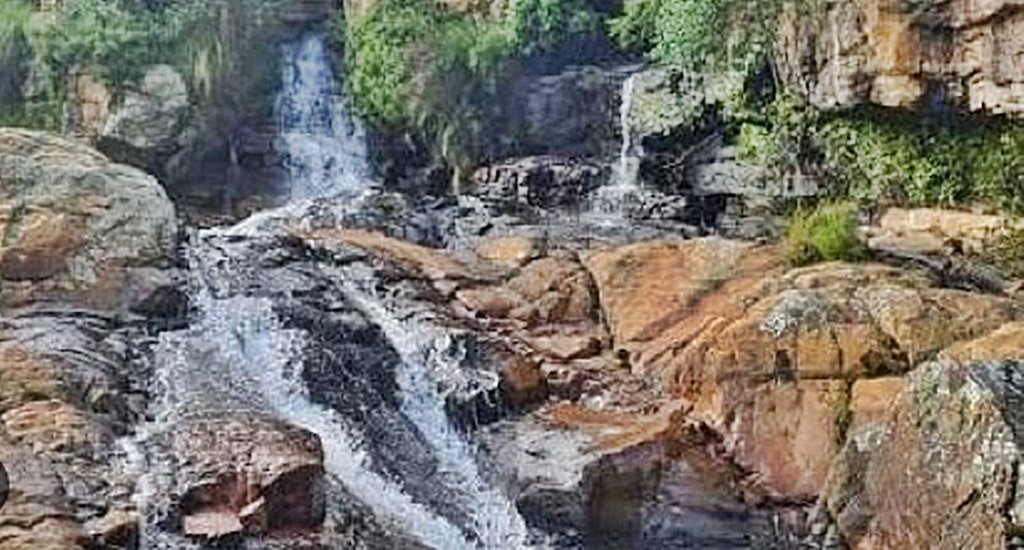
The Department of Forestry, Fisheries and the Environment (DFFE) has invested more than R1.4 billion in the rehabilitation of wetlands across South Africa’s (SA) nine provinces. This was revealed by DFFE Minister Barbara Creecy as she welcomed the declaration of De Berg Nature Reserve near Dullstroom in Mpumalanga as SA’s 30th Ramsar Site under the Convention on Wetlands of International Importance.
The designation of De Berg Nature Reserve as SA 30th Ramsar Site coincided with World Wetlands Day (02 February) which, this year, was commemorated under the theme “wetlands and human wellbeing”.
‘Wetlands are vital for humans, ecosystems and our climate’, Minister Creecy (DEF)
Conserving Wetlands part of GSDG
Minister Creecy highlighted the importance of wetlands saying conserving and restoring them is vital in achieving many of the country’s national and global sustainable development goals (GSDG). “Estuaries, marshes and vleis, rivers and lakes and the biodiversity it sustains, matter for our health, food supply, tourism and jobs. Wetlands are vital for humans, ecosystems and our climate, providing essential ecosystem services such as water regulation, flood control and water purification,” she explained.
She said working closely with the Working for Wetlands Programme, the DFFE has rehabilitated 1,873 wetlands and created 43,662 jobs. The minister also said that the wetland programme, which started in 2000, is being replicated across the country’s nine provinces by a team of dedicated experts working closely with communities.
De Berg Nature Reserve
Located along the Dwars River in the highest part of Mpumalanga, De Berg Nature Reserve is 20 kilometres north of the town of Dullstroom and lies adjacent to the Verloren Valei Ramsar Site. The latest Ramsar Site, which boasts an elevation of 2300 meters above sea level, contains the highest altitude wetlands in the province. It also consists of numerous valley bottom, seep wetlands and mountain streams representing some of the most pristine and habitat diverse watercourses in SA’s grassland biome.
De Berg Supports Critically Endangered Animals and Plants
According to Minister Creecy, De Berg Nature Reserve, a biodiversity hotspot, not only supports numerous pristine headwater wetlands, but also numerous threatened, critically endangered and vulnerable species of plants and animals. The site falls within the Lydenburg and Sekhukhune centres of plant endemism and has a total of 878 indigenous plant species. This includes 30 plant species that are threatened with extinction or near threatened and includes a new species of Bulbine, (B decastroi) which can be found in the valleys of the Reserve.
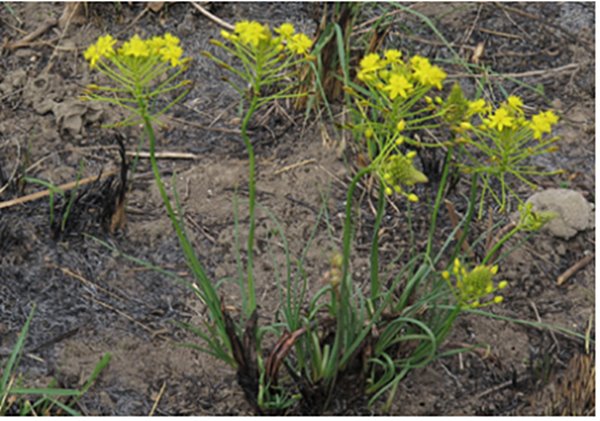
(Bulbine image courtesy of Phytotaxa)
Rare and Vulnerable Species – De Berg Nature Reserve
The site is also home to 18 species of frogs, 71 reptile species, 432 bird species and 120 mammal species, including Vandam’s girdled lizard (Smaug vandami), various crane species such as the blue crane (SA’s national bird) and the grey-crowned crane, as well as mountain reedbuck. Many of these bird species are also rare and vulnerable and include flocks of up to 30 of the Southern Bald Ibis which roosts on the cliffs above Ibis Falls, one of 10 waterfalls at the site.
SANBI’s (an entity of DFFE) Wetland Conservation
Although wetlands cover only 30% of SA’s land area, they offer a range of benefits to humans. In SA they are regarded as socio-ecological systems as opposed to only ecological systems. Many of the country’s wetlands are situated in urban areas, often the last remaining open areas for recreational use by the public. Minister Creecy also hailed the work of the South African National Biodiversity Institute (SANBI) – an entity of DFFE.
She said SANBI is contributing to wetland conservation through its comprehensive approach to mapping and understanding this critical ecological infrastructure, emphasising that informed action today can make a significant difference for the future of wetlands, human well-being and biodiversity. “Strategic Water Source Areas (SWSA’s) are crucial to SA’s water security and various SANBI projects provide insight into land use and protection levels across these strategically important national assets,” said Creecy.
“Through the development of partnerships to monitor, protect and rehabilitate wetlands, by ensuring our wetlands are kept free of litter and invasive alien plant species and by ensuring that we follow best practices to ensure wetlands are sustainably used for their services, we show our appreciation for and acknowledge the value of wetlands and ensure that they remain in place to provide future generations with the same services,” Minister Creecy concluded.