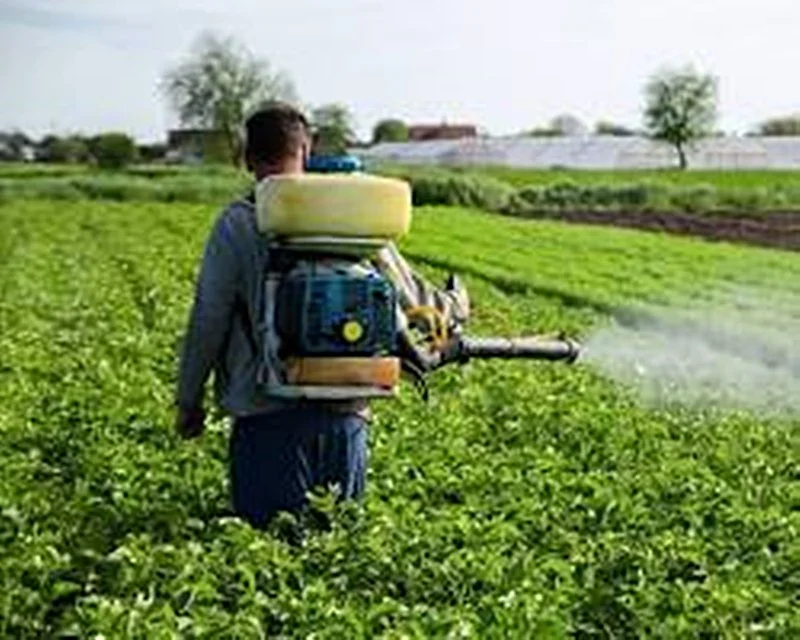
The modern agricultural landscape stands at critical crossroads. While chemical interventions have historically boosted crop yields, the systemic reliance on Highly Hazardous Pesticides (HHPs) poses an undeniable threat to human health, biodiversity and long-term soil vitality.
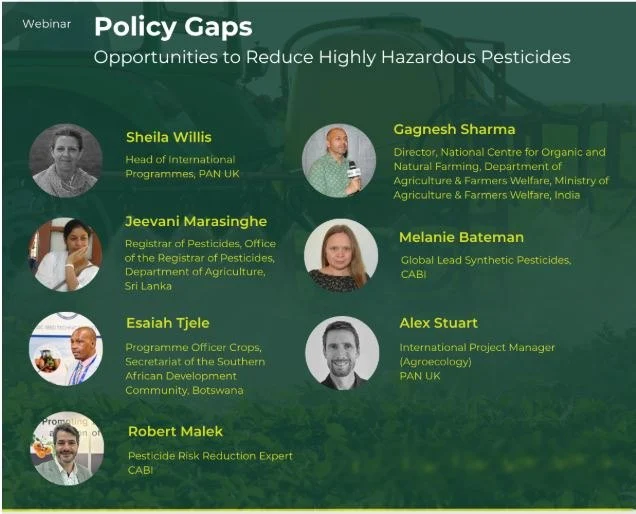
To confront these compounding risks, the Green Growth Knowledge Partnership (GGKP) recently convened a milestone webinar under the banner of the GEF-FARM Programme. Organized in strategic partnership with CABI and Pesticide Action Network UK (PAN UK), the online event, “Policy Gaps: Opportunities to Reduce Highly Hazardous Pesticides,” gathered global experts to dissect the regulatory barriers holding back sustainable agriculture, and map out actionable pathways toward safer alternatives.
The Hidden Costs of Regulatory Inertia
HHP’s are chemical formulations which present particularly high levels of acute or chronic risk to health or the environment. Despite their documented dangers, HHPs remain heavily utilized in many parts of the world due to deeply entrenched agricultural practices, market availability and a lack of scalable alternatives.
The core challenge, however, is not merely scientific; it is regulatory. Policymakers worldwide face severe bottlenecks when trying to restrict or phase out these chemicals. Common hurdles include:
- Fragmented Governance: Conflicting mandates between ministries of agriculture, environment, and health often delay decisive policy action.
- Enforcement Deficits: Many developing economies possess strict pesticide laws on paper, but lack the infrastructure, personnel and funding to police supply chains and illegal imports.
- Economic Resistance: Pressure from industry stakeholders and fear of short-term yield losses frequently slow down legislative progress.
Recognizing these vulnerabilities, the GEF-FARM webinar utilized a recent global scoping study to ground its discussions. This comprehensive study examined national policies, procedures and localized initiatives across various countries, assessing how effectively governments are managing harmful pesticides and where their frameworks are falling short.
Bridging the Gaps: Insights from the Scoping Study
The scoping study highlighted that while many nations have initiated baseline frameworks for pesticide registration, substantial policy gaps remain regarding the promotion of safer bio-based and agro-ecological alternatives.
“Transitioning away from HHPs is not just about banning harmful substances; it is about actively building the regulatory runways for bio-pesticides and sustainable farming models to take off.”
A recurring theme during the session was the necessity of exchanging real-world lessons. Different countries have pioneered unique, scalable solutions. For instance, some regions have successfully leveraged fiscal policy such as taxing hazardous chemicals while subsidizing organic inputs, to shift farmer behaviour. Others have integrated integrated pest management (IPM) directly into national curriculum standards for agricultural extension workers.
By analyzing what works and what fails across different socioeconomic landscapes, the webinar provided a blueprint for more realistic, sustainable pathways away from chemical dependency.
Uniting Stakeholders Through the FARM Knowledge Series
The event was hosted as a vital installment of the FARM Knowledge Series, a specialized initiative dedicated to assisting governments, financial institutions, and agrifood stakeholders. The series focuses on redirecting public and private finance, shifting institutional policies and redesigning practices toward a safe, climate-resilient agricultural economy.
The 90-minute virtual session brought together an influential network of:
- National Regulators & Governmental Partners: Tasked with updating national registries and designing enforceable bans.
- International Organizations: Bringing technical expertise and standardized safety benchmarks to the table.
- Agrifood Stakeholders: Providing ground-level insights into the practicality of adopting alternatives.
Following the core panel discussions, a moderated 30-minute Q&A allowed participants to engage directly with experts from CABI, PAN UK and the GEF-FARM team. This extended dialogue emphasized that transitioning the global food system requires a multi-actor approach: financial communities must de-risk the transition for smallholder farmers, while researchers must accelerate the development of affordable, non-chemical pest solutions.
The Broader Mission: A Transition to the Green Economy
Efforts to mitigate HHP usage align directly with the overarching mission of the GGKP. As a premier global community of organizations and experts, the GGKP delivers data, guidance and tools to help transition global markets into an inclusive green economy.
Led by a powerful coalition including the Global Green Growth Institute (GGGI), the Organisation for Economic Co-operation and Development (OECD), the United Nations Environment Programme (UNEP), the United Nations Industrial Development Organization (UNIDO), and the World Bank Group, the GGKP operates across three distinct pillars:
- Green Policy Platform
- Green Industry Platform
- Green Finance Platform
By integrating pesticide reform into the broader green economy discourse, the GEF-FARM Programme and its partners are ensuring that sustainable agriculture is recognized not as an isolated environmental issue, but as a core pillar of global economic resilience and human well-being.