GEPF invests in wind, solar and gas
Science and technology have been central in the discovery and development of energy sources, with speculation that the first use of fire as an energy source dates back to approximately 460 000 BC. Since then, through scientific advancement, mankind has discovered other energy sources – many of which have been blamed for atmospheric pollution. Science and technology are been used to develop affordable and reliable renewable energy sources that are less harmful to the environment. Energy is vital for the economic and social wellbeing of every South African.
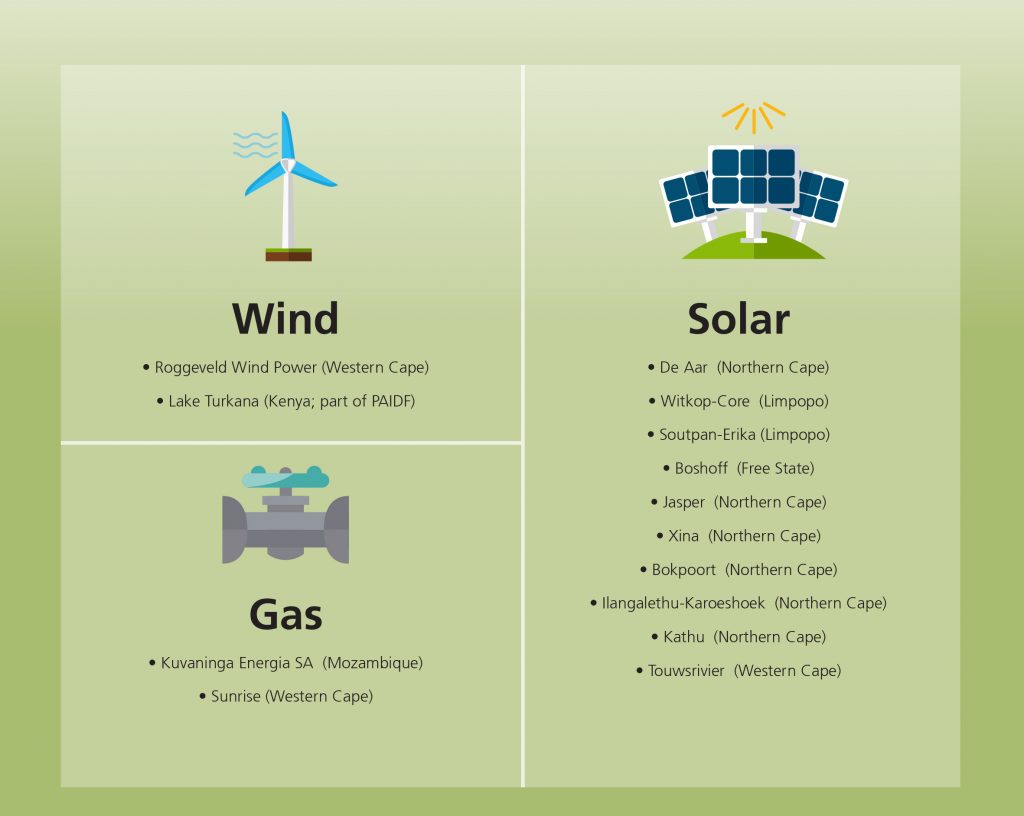
The Government Employees Pension Fund (GEPF) continues investing with vigour in renewable energy and lower carbon footprint options. Its renewable and low carbon-footprint energy portfolio stands at approximately R10,5 billion and incorporates wind and solar energy, as well as gas. “We need electricity, albeit for different reasons and different uses: learners’ study at night, moms cook for their families,” says GEPF Principal Executive Officer Abel Sithole.
“Electricity enables our industrial and manufacturing sector to function and powers up essential equipment like life support machines and incubators in hospitals.” Our ever-increasing dependence on electricity, he points out, adds pressure on the national power grid. According to government, by 2030 South Africa’s energy demand is expected to double from the current levels. “Therefore, the GEPF has been doing its bit to help keep the lights on and the cell phones buzzing,” Sithole quips. “We have invested in different renewable and sustainable energy projects, both directly and indirectly, that have the potential to reduce the pressure on our national power grid and improve our economic prospects. And let’s not forget the environmental imperative of lowering our carbon footprint to meet the United Nations Sustainable Development Goals in this regard.” “Ultimately, it’s about improving the quality of life of everyone who lives in our beautiful country.”
The GEPF is invested in alternative energy projects across South Africa and beyond its borders to the amount of (figures as at 31 March 2018):
- R313 million in wind energy
- R4 925 million in solar energy, and
- R142 million in gas (in Mozambique).
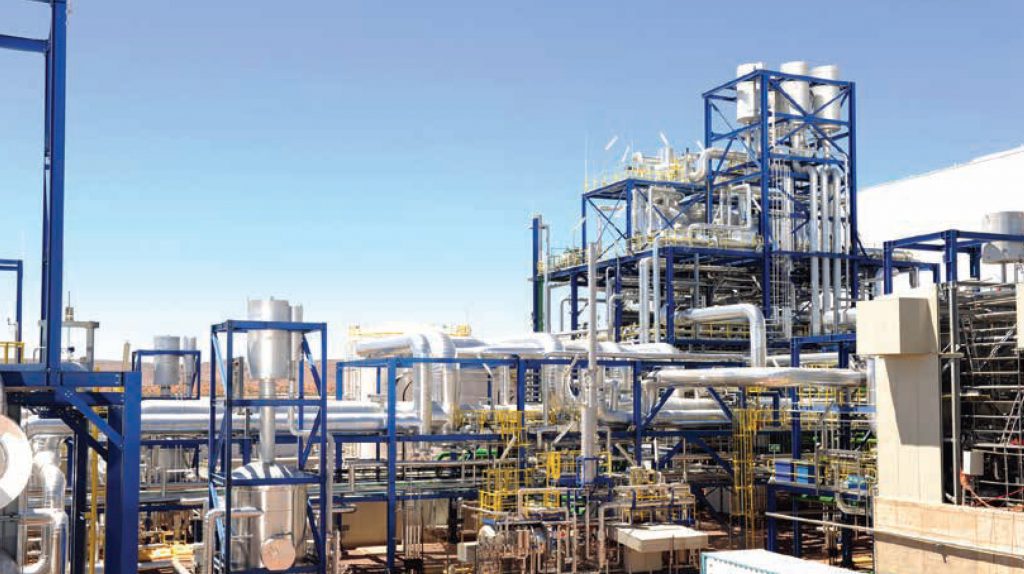
Two renewable energy projects, namely the Sunrise Energy LPG Import Terminal project and the XiNa Solar One project, were officially launched recently and illustrate the developmental role that GEPF plays in the national economy.
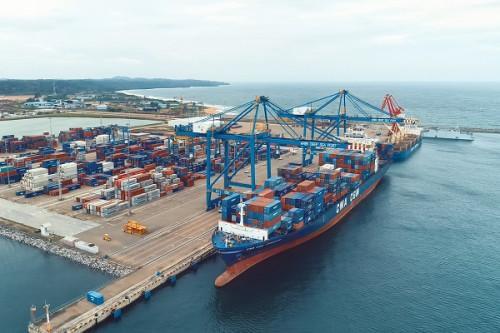
Sunrise Energy project Sunrise Energy has a 30-year concession from Transnet National Port Authority to build and operate an open access liquefied petroleum gas (LPG) import terminal in Saldanha Bay. The first phase – which was officially launched on 7 August 2017 – was built at a cost of R1 billion, of which 50% was funded by shareholders’ equity and the 50% balance through loan financing. In 2016, the GEPF extended debt finance amounting to R150 million towards the project.
Sunrise is attractive for the GEPF due to the capital returns in excess of 12% – and because it gives the pension fund an opportunity to contribute to job creation.
During the construction phase, 474 jobs were created and 1 750 jobs were created in the downstream sectors. Furthermore, Sunrise falls under the Strategic Infrastructure Project Planning (SIPP) programme, under direct guidance of the President’s Office and is considered of national importance.
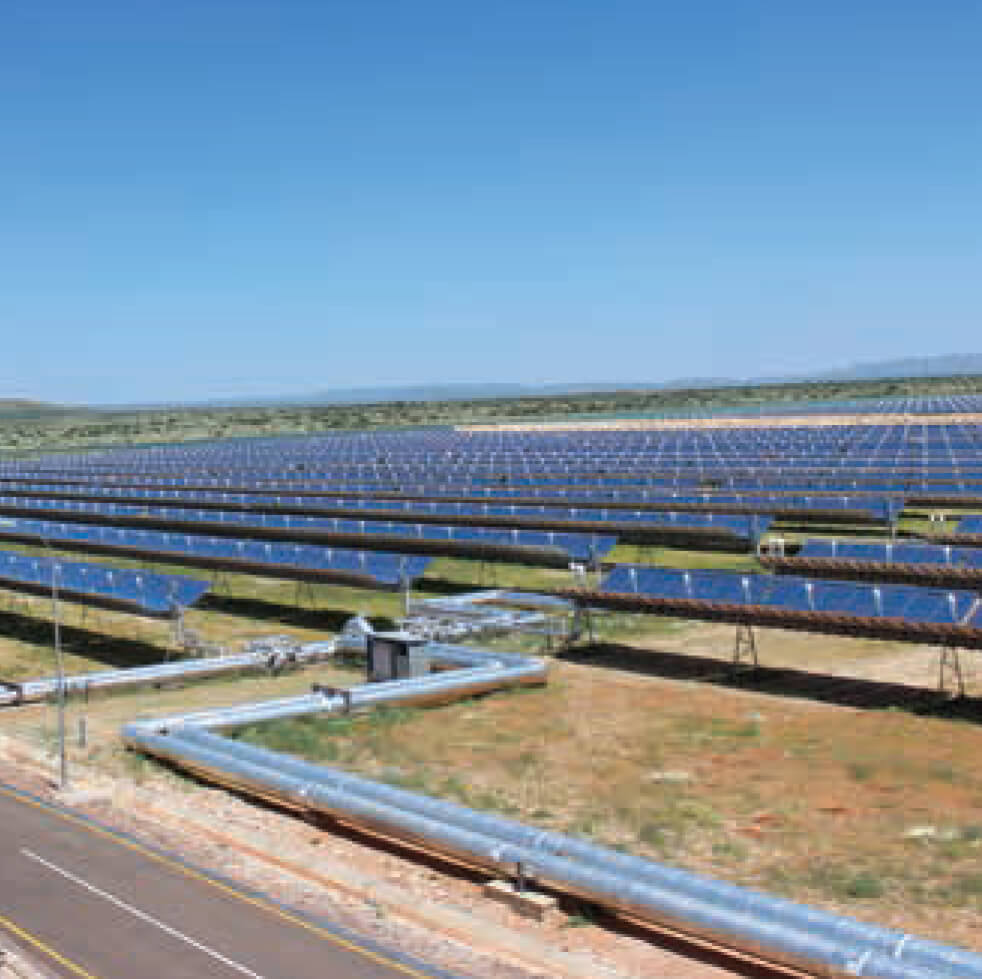
• XiNa Solar One project
Officially launched on 18 May 2018, XiNa Solar One is a 100 megawatts plant that uses parabolic trough technology to generate renewable, sustainable and dispatchable power from the sun. On 9 September 2015, the GEPF took a 20% stake in this multi-billion rand project located near Pofadder in the Northern Cape.
The 300 hectare solar energy plant is capable of providing clean and sustainable energy to 95 000 households during peak hours. Besides offering good financial returns, XiNa gives GEPF the opportunity to contribute to the growth of renewable energy, the reduction of greenhouse gas emissions and the creation of jobs. A coal-fired power plant with similar energy output would raise SA’s CO2 emissions by 398 000 tons annually.
Most efficient wind farm on earth
Besides investing in local renewable projects, GEPF is also indirectly involved in the Lake Turkana Wind Power project in Kenya – the biggest wind farm in sub-Saharan Africa. It is believed that, when fully operational, the Lake Turkana project will be the most efficient wind power farm on earth. Construction started in 2014 and the wind farm delivered power to the Kenyan national grid for the first time in September 2018. GEPF became involved in Lake Turkana through its USD 250 million investment in the Pan African Infrastructure Development Fund (PAIDF) phase I in 2007, and subsequently its USD 350 million in the Pan African Infrastructure Development Fund (PAIDF) phase II in 2016.
Greener future
“The reality is that electricity underpins the prosperity and wellbeing of modern society on every thinkable level. Through our investments in South Africa and in other parts of Africa, we aim to earn good financial returns as well as build a better and greener future for our children and children’s children,” says Sithole.
Future estimates SA Government estimates are that the installed capacity will need to grow by 40 000 megawatts (that is double) in the next 20-25 years to meet current and forecasted demand.
Approximately 42% (or 17 800 megawatts) of all new power generation is expected to come from renewable sources.
| Greening Afrika Partnered Features Disclosure: Our sponsored stories are in-depth and produced independently from Greening Afrika in association with paying partners. Collaborating with our partners, we ensure all stories meet our standards of editorial quality and offer information of value to readers. For more information, Engage with our team advertising@mediatorque.co.za |