

Alex Rose-Innes
As many as 600 million Africans on the continent have no continued access to electricity. Most of these live in rural areas where power generation present a myriad of problems.
Despite finding alternative power sources, such as mini-grids, large amounts of money would be needed to ensure a properly powered African continent, the second largest in the world with more than a million people and the population growing by the day.
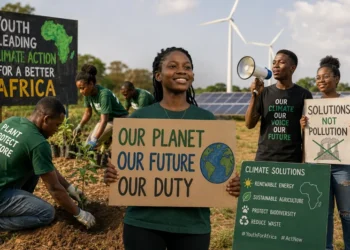
With entrepreneurs embracing clean “green” energy, there is hope as solar energy is proving to be the perfect answer to the continental needs.
According to McKinsey’s study on the energy needs of the future, Africa would need 1400 terawatt electricity, four times more than the amount used ten years ago.
Solar, geothermal and wind energy, with low environmental impact had been identified as the answer to deforestation and coal-driven plants with the need for natural gas rising by almost 40%. In Brighter Africa, it is predicted that in another 30 years, 90% of electricity on the continent would be derived from this, powering the homes of an additional 600 million African residents, even in rural areas. It would power telecoms, education, health care and water supply, rendering the need for damaging fossil fuels obsolete.
Various African emerging economies are focused on renewable energy supply which is ultimately also a cheaper option of electrifying even the poorest areas. Various non-profit organisations are already providing the necessary financing and technical training across sub-Saharan Africa.
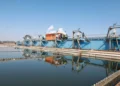
The United Kingdom had pledged 100 million Pounds to various renewable energy platforms. A special programme is already funding 18 projects on the African continent. These include wind, hydroelectric (water), solar, biomass and geothermal power generation. Countries benefitting from this are Kenya, Nigeria, Burundi and Tanzania. This far-reaching programme had already at the beginning of this year invested almost 6 billion Pounds in Africa. Another financial injection to the amount of more than 32 US Dollars would see Tanzania becoming a major player in the alternative energy stakes during the next few years. The money had been acquired by Zola Electric.
An African company, D.light had obtained a 100 million US Dollar loan to provide sufficient solar power to 88 million African residents across 62 countries. Solar lanterns and LED devices power the latest television equipment, mobile phones and small home appliances.
The United Nation’s Sustainable Energy Programme also assists private sectors across sub-Saharan Africa to drive economic growth and improve the lives of billions of people on the continent, not only by providing cheaper and cleaner energy and saving the natural resources, but providing much needed employment as a result.
Explanation of terms:
- Geothermal energy is heat derived from sources within the sub-surface of the earth. Water and/or steam carry the energy to the Earth’s surface. Depending on its characteristics, geothermal energy can be used for heating and cooling purposes or be harnessed to generate clean electricity. A geyser (warm water sprouting from an opening in the Earth’s surface) is an example of geothermal energy. Hot springs, lava, and fumaroles are natural examples of geothermal energy. Fumaroles are openings in a planet’s crust emitting steam and gases such as carbon and sulphur dioxide, hydrogen chloride and hydrogen sulphide. The steam forms when superheated water boils as its pressure drops when it emerges from the ground

A geyser, hot springs, lava and fumaroles are used to create clean “green” energy across sub-Saharan Africa.
- Solar has become the world’s favourite new type of electricity generation, according to global data showing that more solar photovoltaic (PV) capacity is being installed than any other generation technology, worldwide and Africa is catching up fast.