

Alex Rose-Innes
Most people on the African continent do not have the luxury of flushing toilets and use pit latrines. It is estimated that 23% of those living in Sub-Saharan Africa don’t have access to toilets while 31% with toilets use alternatives not connected to a formal sanitation system. This means that more than half the people in sub-Saharan Africa live without proper sanitation, roughly 570 million people.
One of the problems is that existing toilets aren’t a good fit for parts of sub-Saharan Africa because many areas lack water and there are often no proper plumbing or facilities to treat wastewater. In urban areas, as much as 80% of the waste water used for flushing a toilet is discharged into the environment and the health hazards it creates as pollutants are legion. Even when reaching water treatment plants, it becomes increasingly difficult to remove pollutants, especially in Third World countries such as SA where, due to poor management, the sewage systems had all but collapsed.
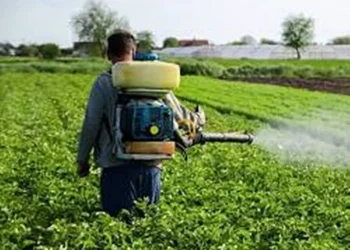
According to a United Nations report, urine produced by the global population contains sufficient nutrients to fertilise 75% of the food eaten on a daily basis. Even the most modern toilets or a more basic home device can be rigged in such a way as to benefit the environment and be used as fertiliser in agriculture.
In urban areas, in a family household of five, a dry composting toilet system can be used to save almost 139 000 litres of contaminated water per year and provide more than 45 kilogram of natural fertiliser.
A missionary group had taken hands with various shareholders to lessen the affluent being pumped into Durban harbour by refitting at least 1 000 urban toilets with urine drying technology. In a post-COVID-19 SA where millions of people are now without an income, it is hoped that this project could successfully address unemployment and food security.
Recycling urine collected from these toilets in small-scale horticulture could make a big difference to local food security. In turn, it can also improve the local environment by promoting the wider and more alternative use of toilets.
Durban, in KwaZulu-Natal, had been at the forefront of the urine recycling movement worldwide and has 80,000 urine-separating toilets and over 1,000 community ablution blocks with male urinals. These toilets serve approximately 450,000 people and the drying of the urine collected from these would be used to embrace new sanitation systems.
In more developed countries, complicated and expensive systems remove wastes from homes. While waste gets treated, it does get eventually dumped into sub-soils or bodies of water (such as the harbour in Durban). These methods may avoid most problems associated with contagious disease spread by contact with human waste. But, alas, it hastens the loss of soil nutrients from farmland and carries the risk of contaminating surface and ground water.
Traditional people and poorer communities usually dispose of body waste by returning it to farm and garden soil. While these practices are more ecologically sound it had often been linked to high levels of bacterial, viral and parasitic infection and mortality. The septic tank and leach field system had become the disposal method of choice in rural areas.
Professor Mooyoung Han and Shervin Hashemi from the Seoul National University in Korea had been funded by the university to find alternative ways of disposing of human waste and to design systems to overcome the two biggest challenges – excessive use of water and the fact that human urine and faeces are not considered as resources.
Han and Hashemi had designed a few options applying innovative technologies to start building smarter, greener cities. On the African continent, 20 litres water is used on average each a day. Waste treatment also needs a large amount of energy to provide fresh drinking water for growing cities as rural and poor people flock to urban areas. This is very expensive.
These two innovators had now proved that while more innovative toilet systems could cost more than pit latrines, they had already proved that it depended on the types of raw construction materials such as concrete and wood. Tanks and other parts can also be made by using jerry cans. But once it’s built the operation and maintenance process is easy and can be done by locals themselves.
First of all, they say, is to view urine and faeces as recyclable resources instead of waste. Nutrients derived from human waste can be used as fertiliser to grow crops and can be removed during the treatment process through better management and technology.
The process does not need complicated infrastructure and reduces the time needed for the treatment of waste. It saves a huge amount of water and energy, beneficial to many local governments that are already under financial pressure.
For most toilets, water is essential for flushing and draining, but it is possible to have a waterless toilet. The toilet must collect the urine and other waste separately. The urine is kept separate and drained via a basin with a small hole near the front of the toilet bowl or squatting pan, while faeces fall through a larger drop-hole at the rear.
Once separated, waste is collected into tanks, microbes (such as ash or lime) can be added to and control any bad smells and remove dangerous compounds.
Communal toilets such as these can bring major social and economic benefits. With modern toilet systems being expensive to maintain and the high possibility of pit latrines to become public health hazards, these systems are safe and can provide an excellent source of fertiliser for households and communities that grow their own food or produce food for markets.
As African cities grow and develop and pressure on natural resources and infrastructure, such as sewerage increases, these systems offer a sustainable and more hygienic way forward.

For cheap and easily assembled diagrams visit https://www.gytte.org