


Alex Rose-Innes
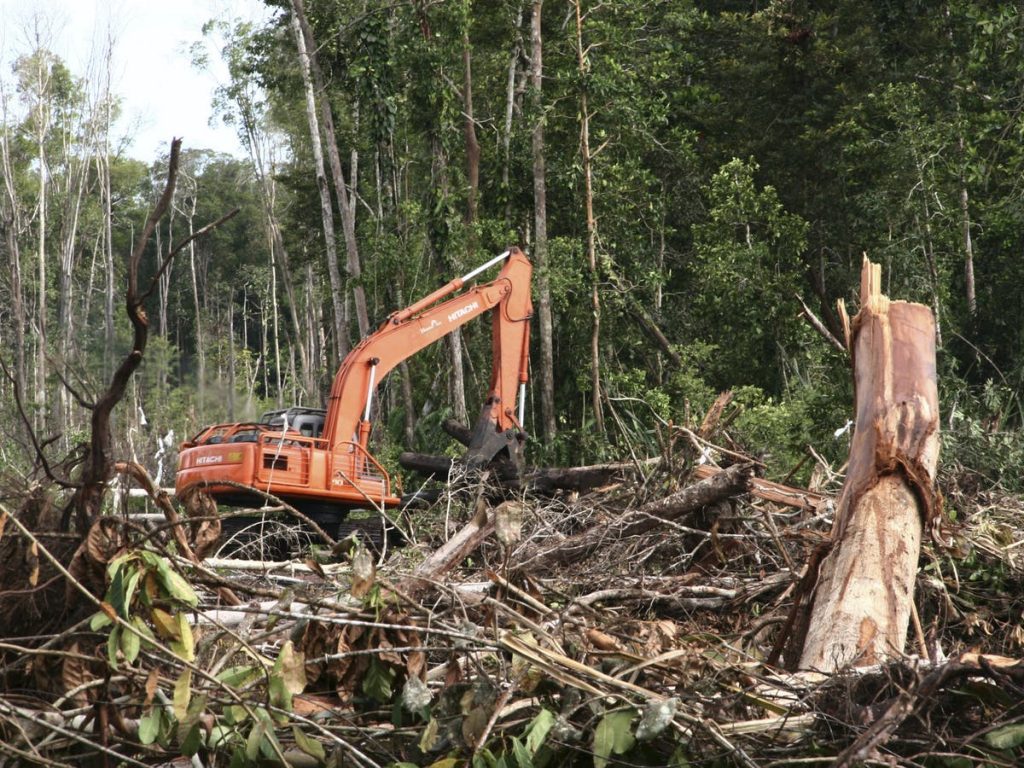
President Paul Biya of Cameroon had reneged on his plans to turn thousands of acres of life sustaining Ebo Forest in the country into a logging concession.
With organisations such as Earth.Org and Greenpeace Africa putting pressure on the government and adding signatures of thousands of signatures of conservationists and climate activists from across the globe, the process for a second concession had been shelved for now.
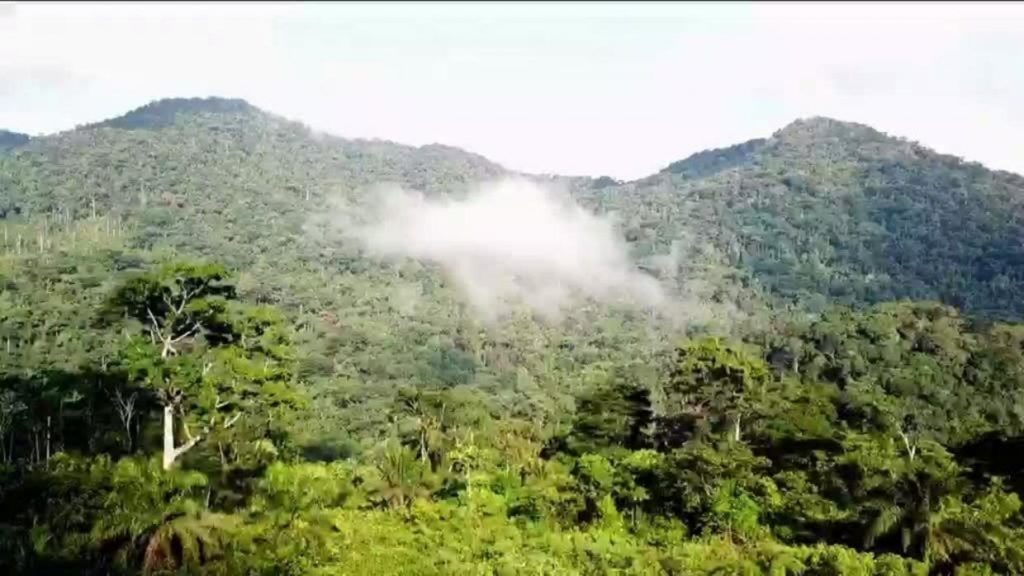
More than 40 communities live in and around the forested area spanning across 1,417 km² of lowland and montane forest. Ebo Forest had been declared a protected national park, but had always been at the mercy of illegal logging and Cameroonian politicians. It is home to the critically endangered Preuss’s red colobus and the plans to log an additional 170 000 acres of forest land would have led to their extinction.

The government had signed an international agreement to protect gorillas and their habitats in July this year, but mere two days later issued a decree to establish a logging concession in the forest. As ancestral land to the many communities living in close proximity to the forest, thousands of people would have lost not only their livelihood, but also their homes if presidential plans had gone ahead to trade this unique green part of Africa for another type of greenbacks – money.
The Ebo is one of the last intact forest ecosystems in the Gulf of Guinea, a huge biodiversity hotspot and home to more than 160 species of birds found nowhere else in the world. A small gorilla population of unknown taxonomy, a population of the Nigeria-Cameroon chimpanzee, forest elephants and drills also live in the forest. Many of these are on the Red List of Endangered and Critically Endangered species of the IUCN (International Union for Conservation of Nature).
Researchers are of the opinion that the small gorilla in Ebo could be a new subspecies, geographically distinct from any other populations of western lowland and cross river gorillas. Fifteen years ago researchers discovered that the tool-wielding Nigeria-Cameroon chimpanzees in the forest are culturally distinct from any other group of chimpanzees on the African continent and were the only chimpanzees to use tools to locate termites and crack hard-shelled nuts.
The IUCN already reported in 2018 that the forest contained an estimated 35 million tonnes of carbon. But, as locals told the United Nations during a visit to the national park two years ago, this precious commodity and its wildlife were already under severe pressure from producers of, among others, palm oil and butter.
Bethan Morgan, head of the San Diego Zoo Global’s Central Africa Programme, had for the past 18 years worked tirelessly towards the conservation of these gorillas and with the presidential decision to halt logging, called on the international community to keep on pressuring the Cameroonian government to keep the forest intact and its human and animal inhabitants safe.
The various communities in Ebo Forest had been conserving this biodiversity hotspot to date. Morgan also called for the government to consult with these forest peoples regarding inclusive land-use and to effect informed decisions regarding its future.
This forest plays an integral part in the planet’s overall health and surveys by the Royal Botanic Gardens in the UK had resulted in the discovery of 29 species new to science and is considered a tropical Important Plant Area.
Cameroon’s Minister of Forestry signed two orders on February 4 this year, proposing the classification of two forestry management units for timber extraction in the forest. These would have destroyed the entire gorilla habitat and would have levelled the entire western part. The orders were posted publicly a month later, not affording local communities living around Ebo sufficient time and opportunity to provide their input.
In April, more than 60 conservationists, including experts from the IUCN Species Survival Commission’s Primate Specialist Group and Global Wildlife Conservation, signed a letter to Cameroon’s Prime Minister, Joseph Ngute, asking for the logging concessions to be put on hold. Internationally, conservation partnering countries across the globe had undertaken to ensure the Cameroonian government honour its commitments to reduce greenhouse gas emissions.
In a statement by Chief Victor Yetina of Ndikbassogog, a representative of the Association Munen Retour aux Sources and Ekwoge Abwe, manager of the San Diego Zoo Central Africa Programme’s Ebo Forest Research Project, the suspension for now of logging plans in Ebo Forest was welcomed, but they made it clear that the fate of the forest continued to be in the hands of money hungry politicians. Yetina and Abwe called on international donors and NGO’s to support processes to keep the Ebo Forest and the Congo Basin in its entirety intact