Alex Rose-Innes
In 2014, during a Regional Policy Dialogue between specifically identified African countries and the United Nation’s Environmental Outreach organisation, six countries undertook to switch to green business models as part of a pilot programme to combat climate change and towards a eco-friendly economy.
At the time, Burkina Faso, Ghana, Kenya, Mauritius, South Africa (SA) and Uganda agreed to implement national Sustainable Consumption and Production programmes and national green economy strategies. Now, seven years later, how successful had these countries been to embrace a green economy and with implementation of their Switch African Green projects?
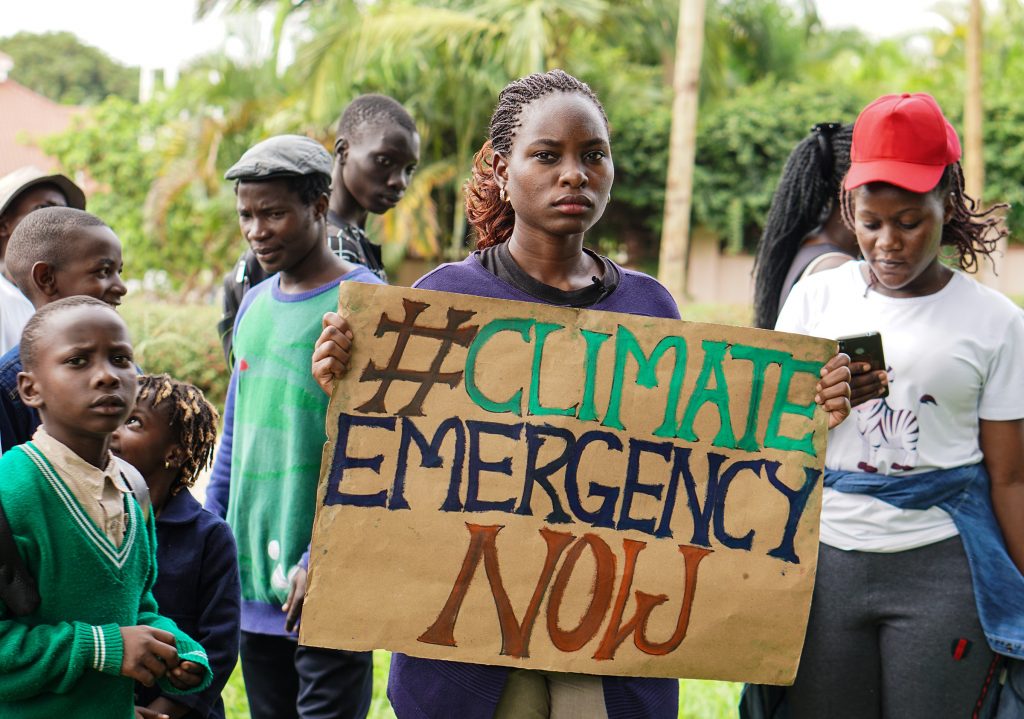
UGANDA had, by the end of 2014, already reviewed the country’s laws, policies and business environment to turn the economy from “brown” to green.
As part of Switch Africa Green programme, Plan International’s project in Uganda had already delivered positive outcomes working with a local association specialising in organic agriculture and fair trade. It had made vast strides towards promoting the transition to a sustainable production models, creating jobs for young people, supporting small and medium enterprises and boosting public policies in the process.
Plan International had also seen the promotion of eco-innovation, waste management and energy efficiency, connecting young farmers from the north of Uganda to established networks for sustainable sesame production, a booming product whose demand had increased a 70% in recent years.
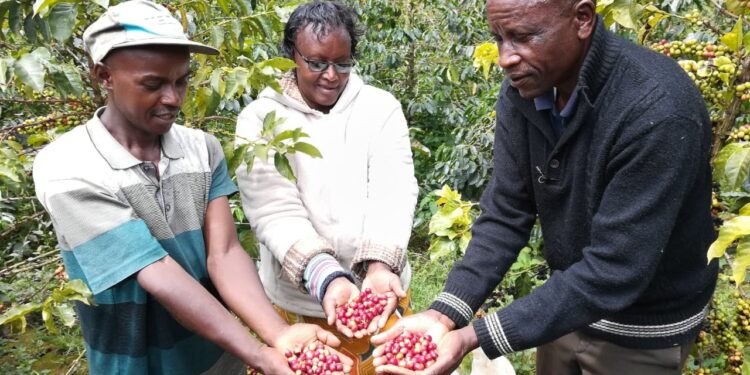
In KENYA, with its agriculture industry accounting for 65% of its export revenue and providing employment for 80% of its population, it was the first to support the drive towards a green economy and combat climate change.
Kenyan Micro, Small, and Medium Enterprises (MSME’s) in the food value chain are increasingly turning to sustainable consumption and production practices adopting modern green technologies to overcome the challenges of climate change while at the same time striving to become more competitive domestically and internationally.
For the past two and a half years, E4Impact has been one of the implementing partners in the Green to Grow project consortium led by the Etimos Foundation with the overall objective to make a significant contribution towards reducing the environmental footprint of Kenyan MSME’s across the coffee, mango and dairy value chains while simultaneously strengthening Kenya’s ability to compete in local and international markets.
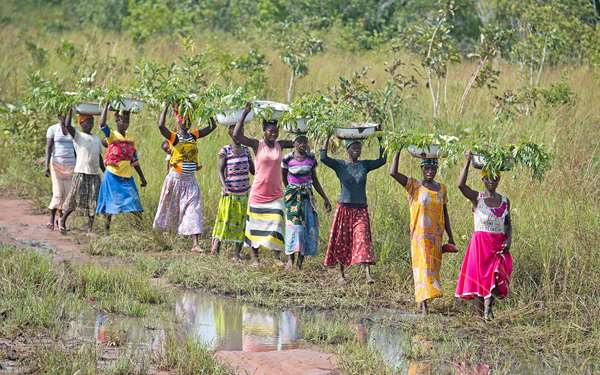
BURKINA FASO reached a significant milestone when, four years after the original Switch Africa Green initiatives from the UN had been shared with the government, a significant milestone has been reached in the country’s transition to an inclusive green economy. The government’s draft National Strategy for Green Economy was unanimously validated by national stakeholder groups.
Women had become major role-players during the change towards green living and by applying ecological standards, had started various SMME’s within the agriculture and timber processing industries. The country had also, in 2020, started on its drive to develop more than 2 000 eco-villages which would also drive eco-tourism.
In SA, the Department of Environmental Affairs had, under the able hand of Minister Barbara Creecy, seen various landmark decisions being implemented towards a greater green footprint. It is however, a slow process undermined by corruption and lack of political will. As opposed to Burkina Faso, SA is definitely not ahead of the anti-climate race and much still needs to be done.
Within the national framework of the UN, there is still another three years to turn around damaging business practices in the country. The biggest issue to be addressed in SA is the nuclear and coal-fired electricity supply.

Coal-fired power stations across SA, a country battling with electricity generation, climate change and transforming the industry into a green and eco-friendly enterprise.