
Alex Rose-Innes
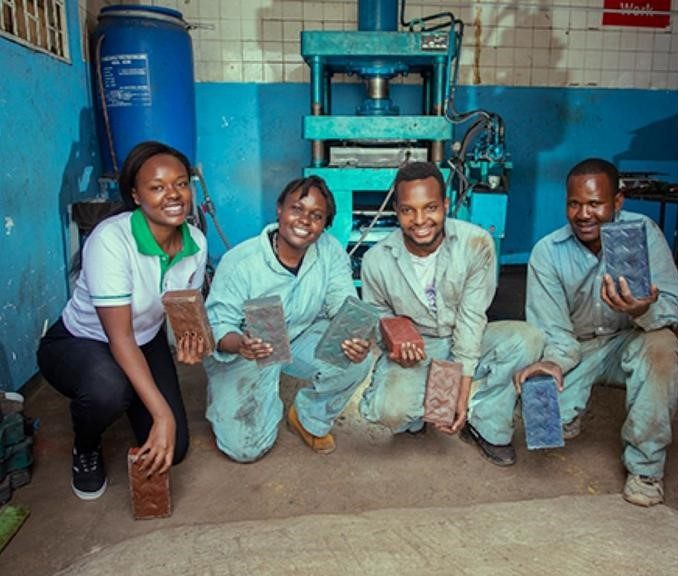
Young engineers in Nairobi in Kenya are literally paving a new way by recycling plastic into bricks for paving.
As the African country imposed a ban on single-use plastic waste in protected natural areas last year, environmentally-conscious young people put their knowledge and training to good use. Kenya had already in 2017 banned plastic bags and in future no plastic bag would be allowed in national parks, in forested areas or on beaches.
Despite this ground-breaking decision, the population of this East African country still generates 500 metric tonnes of waste per day. With Africa’s seas under threat from other countries as being a dumping ground for waste, real fear exists that with the new free trade deal between Kenya and the United State, this figure could rise alarmingly.
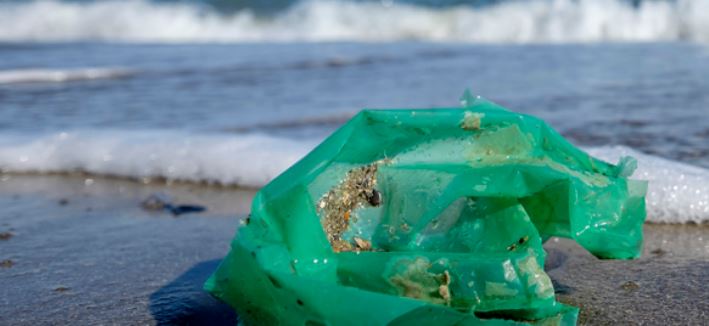
The United Nations (UN) is of the opinion than more than 13 million tonnes of plastic waste flows into the world’s oceans each year. This has a hazardous effect on marine live as it gets entangled in the debris or accidentally ingest it. According to the organisation, cleanwater.org, plastic waste injures and kills fish, seabirds and marine mammals. It had already impacted at least 267 species worldwide, including 86% of all sea turtle species, 44% of all seabird species and 43% of all marine mammal species.
Greenpeace environmental campaigner, Amos Wemanya, says plastics are everywhere, even in what we eat -“micro plastics are in our food, they are in our air, they are in our water and they are responsible for a variety of health problems.” The global Centre for Diversity calls it a global tragedy for our oceans.
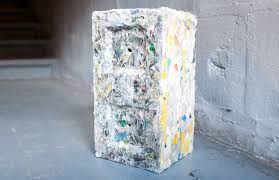
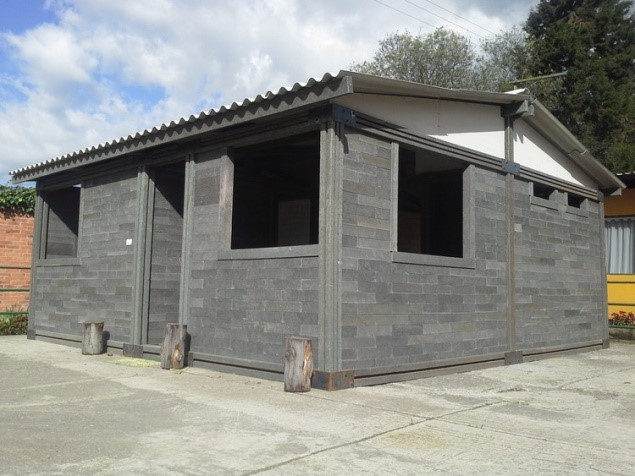
Plastic waste from landfills is turned into bricks by using a low emission and non-toxic process with super-heated water. It is washed, dried and compressed into different colour blocks which need no glues. The production process lowers Greenhouse Gas Emission (GhG) by as much as 95% and boasts a very high thermal and acoustic insulation. A compression test showed that these recycled blocks were 20% more stable than normal cement. Used plastic bottles could be used for foundations, bridges, walkways and barriers.