Alex Rose-Innes
The World Bank had just announced plans to invest more than $5 billion over the next five years across 11 African countries on land stretching from Senegal to Djibouti.
According to David Malpass, World Bank Group President and African expert, said this would aid countries in the provision of livelihoods as people across the world deal with the financial impact of COVID-19. In Africa, there are additional issues such as addressing biodiversity loss, climate change and its detrimental effects on people and economies.
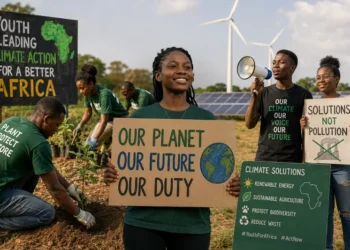
This multi-billion dollar investment would support African agriculture and community development, improve future food security and provide much needed jobs. On a biodiversity level, money would go towards landscape restoration and building green and resilient infrastructure.
“Restoring natural ecosystems in the dry lands of Africa benefits both people and the planet,” said Moussa Faki Mahamat, Chairperson of the African Union Commission, an expert on biodiversity in Africa.
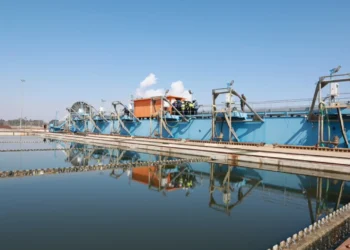
Kevin Urama, Executive Director at the African Technology Policy Studies Network said that any green project on the African continent should primarily ensure development objectives are reached while sustainably managing the continent’s resources. During a high level conference, the damage done by waste and water pollution was high on the agenda as were the ability of the continent to withstand future environmental risks.
Various experts agree that every country required its own set of greening solutions, but the importance of inclusive growth was highlighted as an important mechanism for environmental conservation and provision of ecosystem services.
Global experts had called for the urgent rethinking of public spending and private investment to be aligned with greening plans for the continent and not financially viable short-term, ecologically damaging projects.
Africa still needed many changes to its infrastructure to provide essential, but alternative energy resources and strengthen water security. According to Urama, this investment should also be used to address challenges posed by urbanisation. “This presents the opportunity to put efficient and sustainable structures into place and avoid locking into out-dated infrastructure,” he told delegates at the latest UN convention.
Experts involved in this drive included The African Development Bank (AfDB) , the Organisation for Economic Co-operation and Development (OECD), the Finnish Ministry of Foreign Affairs and Environmental Institute and the Swiss Agency for Development and Co-operation.