
Alex Rose-Innes
WITH the world’s biggest climate change organisations opining that South Africa (SA) was not doing enough towards green energy, the latest announcement by President Cyril Ramaphosa on new avenues of power generation, had been hailed as a step in the right direction.
His widely welcomed plan to generate alternative power up to 100MW without obtaining a generation licence was seen as a broad acknowledgment that the country was moving forward towards energy transition and the increased utilisation of renewables. Global proponents of alternative energy said that while it brought SA closer to global trend towards a decarbonised and decentralised energy system, it also called for urgent policy clarity.
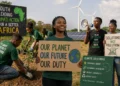
Greenpeace Africa’s Climate and Energy campaigner, Thandile Chinyavanhu, called this decision “better late than never.” The organisation called for the SA Department of Mineral Resources and Energy to implement the Integrated Resource Plan as agreed to in the Paris Agreement.
The Green Connection’s Liziwe McDaid said that “Eskom’s future going forward can only be with a focus on renewables. The alternative is a very dark and cold load shedding future.” President Ramaphosa’s decision could mean more stored solar power on the national grid with more affordable energy pricing, allowing communities to form co-ops and partner with green energy companies towards generate their own renewable energy.
Earlier this year, Life After Coal campaign partners called on the SA government to set more ambitious greenhouse gas (GHG) emission reduction targets. In a statement, signed by some of the most auspicious environmental groups, it said that SA as Africa’s worst polluter and most industrialised country, had an “important obligation to accelerate its efforts to cut GHG emissions to meet its legal obligations under the Constitution, domestic and international laws and secure climate justice.”
Despite promising to decrease its GHG emissions, the outcome had been seen as too conservative and unambitious, which would lead to more urgent reduction goals set by the United Nation’s intergovernmental climate change panel (the IPCC). If not met by 2030, it could lead to catastrophic disasters, not only for SA, but the African continent at large. With the majority of SA’s GHG emissions emanating from the energy sector, the government had marked the coal-based electricity sector as its major focus point for deep decarbonisation under the NDC update.
Avena Jacklin, Climate and Energy Justice (CEJ) campaigner at groundWork said SA was obliged under international law to safeguard its people from the harmful impacts of climate change. A lawyer for the CEJ also said that SA’s climate action plans could not be dependent on outside financial aid. “South Africa is a major global emitter. The country is far more likely to access financial climate support if it is ambitious in its climate action, action which is urgent and necessary. There also needs to be transparency and accountability on any finance agreements.”
The Presidential Climate Change Commission hosted a dialogue on the NDC update last month. It would also be hosting public hearings on the draft NDC update, which could take years. In the meantime, hat’s off to the President for taking a major step towards a greener future.