Alex Rose-Innes
Climate change is necessitating better farming practices through eco-friendly interventions and nowhere is it more urgent that in the Sub-Saharan Africa (SSA).
The African Development Bank (AfDB) predicts that the continent would need to import more than $110 billion of food within the next three years. These would include main staple foods such as rice and wheat if innovative ways towards a greener agriculture industry were not found.
A few innovations on the continent have already started to build resilience to increase food productivity for the more than one billion people living in SSA where poverty, lack of education and investment are hampering governmental efforts to address climate change.
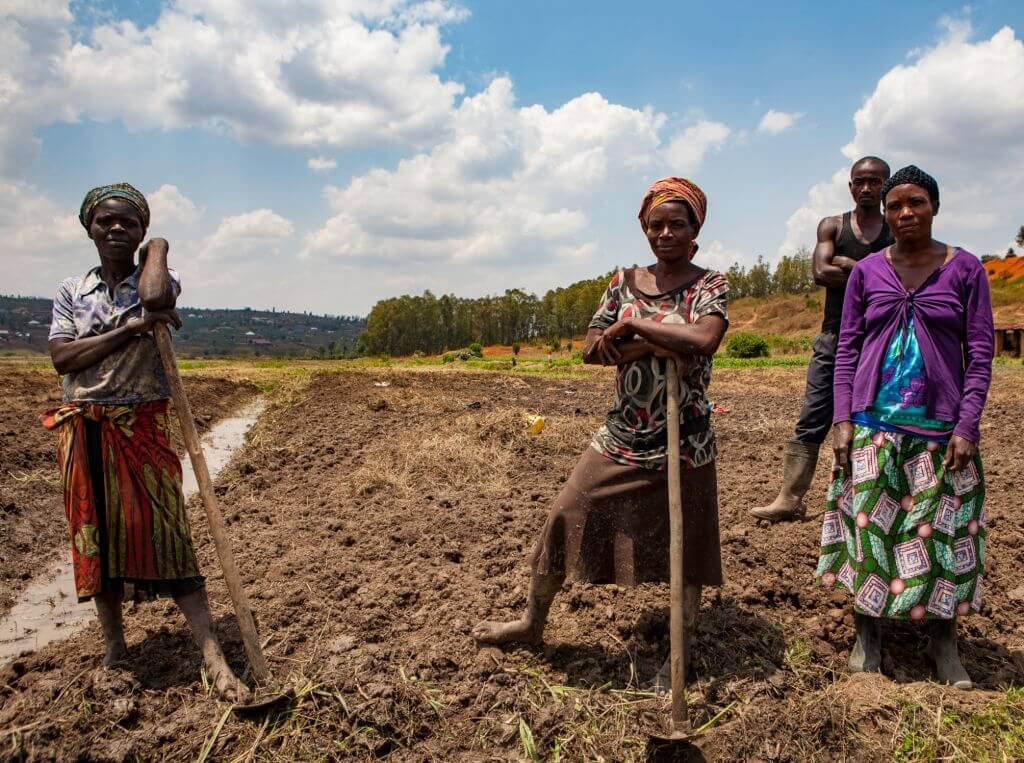
Pay-as-you-go options across Kenya and Rwanda had been established to provide affordable ways of sustainable agri methods to smallholder farmers. Various entrepreneurs had addressed the need for technology and renewables to overcome challenges faced in deep rural areas. Various off-grid hybrid solutions had been invented to solve problems with production, cold chain and distribution of products.
In South Africa (SA), various agro-photovoltaic projects had already boosted sustainable development across the agri industry by integrating innovative alternative energy supplies, decreasing the carbon footprint. “Elevated solar photovoltaic panels are used to shelter crops planted beneath, referred to as agro-photovoltaic projects. This increases yields while conserving land space used for solar panels in confined urban spaces,” according to Requier Wait, senior researcher with the SA-based Institute for Security Studies.
In Tanzania, a private mini-grid operator had also taken its rural energy supply to provide communities reliant on fishing with highly affordable options, enabling sellers to access bigger markets with higher financial returns.
Despite the doom and gloom predicted for Africa, its people are resilient and are already at the forefront of innovations that would ensure a better future for the continent and the next generation.