

Alex Rose-Innes
Various Sustainable Development Goals (SDG’s) are being met simultaneously as a result of a large private, corporate investment in Western Africa.

The funding, used to offset the carbon footprint in the region, would enable many positive outcomes for the biodiversity hub of the Greater Gola Landscape, protecting more than 350 000 hectares of community forests and smallholders’ agricultural lands.
The Upper Guinean Forest of West Africa is one of only three forested biodiversity hotspots on the continent and until the end of the 19th century covered most of Sierra Leone, Liberia, South-East Guinea, Southern Ivory Coast and South-West Ghana. Today, there remained only a fifth of this rainforest.
This ecosystem is home to the critically-endangered Western chimpanzees and pygmy hippos. It also features more than 330 types of bird species and 650 endemic plant types, with 47 other large mammal species.
ClimateCare, a British company, is working with the Sierra Leone government and its Conservation Society to address environmental issues confronting this important habitat under threat from various fronts.
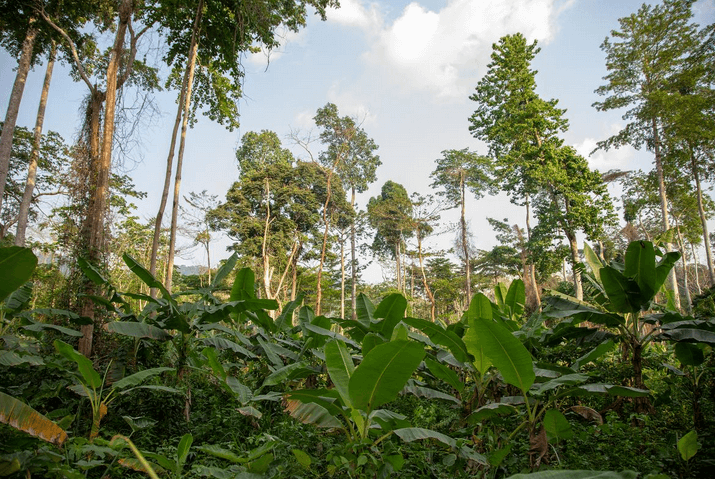
This organisation and its clients had joined forces to increase cocoa production, teach better farming practices and educate communities on agro-forestry by growing other crops such as bananas, maize and pineapples in a holistic way.
With cocoa prices soaring across the globe due to a shortage of the product, agricultural outreach workers from ClimateCare are assisting growers and enabling farmers to sell their crops directly to chocolate makers, enabling them to sustain and increase their incomes.
So far, the project had also assisted communities in the area by setting up a savings and loan programme for many locals, including women to borrow small amounts to diversify and start their own businesses. According to Tom Morton, Chief Executive Officer of ClimateCare, these had seen many women find a sustainable outlet for female products bought in cities and had empowered them to provide for their families.
Furthermore, these activities are mostly aimed at protecting the forest and stopping the killing of wildlife for bush meat. Much education is undertaken to teach people about the role of trees in rainfall patterns and how more animals could mean more tourism income and employment. Towards this drive, the next venture is to establish a competent ranger corps to monitor wildlife and destroy snares.
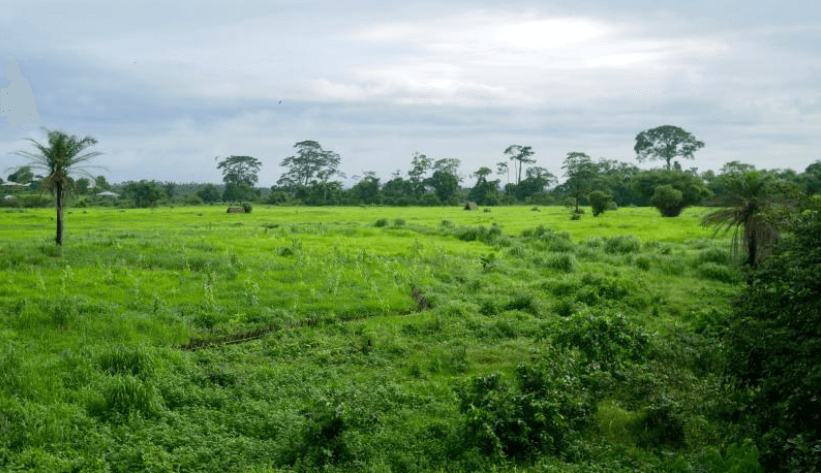
Even more than addressing various interconnected SDG’s, these endeavours are reducing global carbon emissions, work towards eliminating poverty, raise gender equality and address economic growth and climate action, ensuring a host of benefits for Western Africa with its magnificent forests, fauna and flora not found anywhere else on the planet.