
Alex Rose-Innes
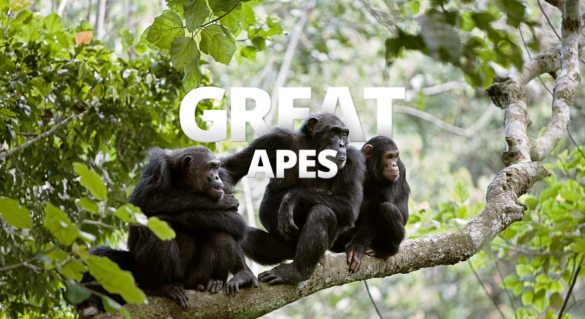
Environmentalists and researchers are of the opinion that the magnificent great apes of Africa could lose as much as 94% of their natural habitat and even in a best-case scenario, massive range loss could still occur if climate change is not addressed as soon as possible on the continent.
Not only the climate crisis, but also deforestation for arable land and energy provision in rural areas, as well as an increasing population across the continent, would leave wildlife in a worse situation than ever before, a study showed. The study also found that even if Africa managed to sufficiently reduce greenhouse gas emissions by 2050, these apes, endemic to African forests regions, may eventually become extinct.
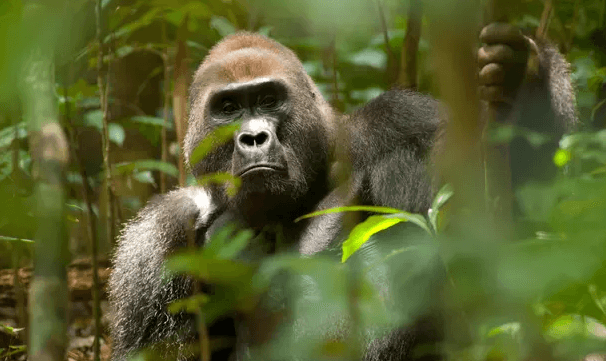
All species and subspecies of chimpanzees, gorillas and bonobos are classified by the International Union for the Conservation of Nature (IUCN) as either endangered or critically endangered. Their habitat is being cleared for timber, food, mining and infrastructure projects. Hunting, disease and armed human conflict add to the pressure on these wildlife populations. Altered rainfall patterns directly due to climate change and worsening droughts are creating a scenario which in a few years would not be able to be turned around.
However, a study showed that well-planned and timeous conservation actions could perhaps ensure the apes’ future. Protected areas could be enlarged, but apes take many years to move to and adapt to new areas as they are slow reproducers and migrators.
Today, most great apes, such as the western and central gorillas, live outside national parks, nature reserves and sanctuaries. Unfortunately, the habitats preferred by these mammals overlap those used by humans for agriculture. Mining in Africa and oil plantations also eat into their habitat.
A 2019 study suggested there could be still 52,000 of critically endangered western chimps surviving across Africa, but only 17% live inside protected areas. The greatest concern is that as much as 10% of these chimpanzees live within 25 kilometres of four multinational development corridors planned for western Africa.
In Rwanda, Uganda and the Democratic Republic of Congo, conservation efforts had met with success and increased the number of mountain gorillas within national parks as additional acreage had enlarged their habitat. However, communities around these parks had grown as well and the areas available had become too small for the amount of chimps. This had led to infectious diseases and violence among different ape groups.
“The future effects of climate change on mountain gorillas are alarming. Reversing this trend is urgently needed by expanding their protected habitat, establishing forest corridors and reducing human population growth through integrated population, health and environment (interventions such as promoting voluntary family planning around protected areas and non-protected great ape habitats,” according to Gladys Kalema Zikusoka, a wildlife veterinarian and founder of Conservation Through Public Health.
Other researchers agree with Zikusoka, highlighting the effects of climate change around one critical mountain gorilla habitat, the Volcanoes National Park in Rwanda. With water resources drying up and affecting habitat growth, farmers in the area had to find new fertile areas and water sources higher up in the mountains which are directly located within gorilla habitats.
David Greer of the World Wildlife Foundation (WWF), who co-ordinates the programme in Africa to save these chimps, was already quoted three years ago saying that any climate change affecting humans would affect the mountain gorillas.
Unlike western and central chimps, mountain gorillas today are mostly living in protected areas, proving a need for enlarged areas could possibly improve the situation, given the chimps’ slow migrationary habits.
Scientists are urging African governments to consider this when planning infrastructure projects by keeping the effects of climate change in mind.