

Alex Rose-Innes
Across the world, huge advances had been made with regards to technology, merging biological worlds, the physical environment and the digital industry.
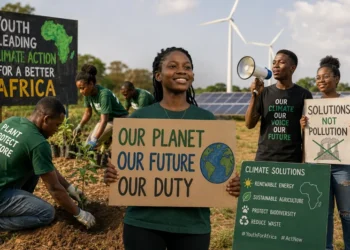
In their published set of briefs, the World Economic Forum (WEF) had addressed key issues in supporting a sustainable and green development agenda for Africa.
The Fourth Industrial Revolution had seen a shift towards environmental innovations across Africa, where the rapidly growing urban areas and lack of basic services had engendered a need for definitive green innovation to benefit the poor, address food security and raise a new, informed farmer. The benefits of these innovations are legion and had been customised within local contexts.
The WEF opined that these green technologies could generate employment, ease pressure on infrastructure and lower energy costs. Climate change had brought about, not only an urgent call to the planet’s five billion residents to do things differently, but also provided the opportunity to rectify mistakes of the past by embracing green technologies across various industries.
In most developing countries, informal settlements and slums had put existing infrastructure under pressure and water, waste management, sanitation and electricity shortages had called for new thinking and green innovations. The value of these green systems and technologies lie in the fact that it could function largely decentralised or semi-decentralised and do not require major investment.
The fact that up to 70% of African household income is spent on energy, food, water and transport, renders the continent extremely vulnerable to rising costs and climate change. Green technologies could buffer poor households from these by lessening their dependence on local grids and provincial, national or global supply systems.
While green and sustainable technologies could help establish sustainable small to medium enterprises, it could also bring about much needed change on a larger scale, increasing their investment appeal to global investors.
The 4IR presents a massive opportunity to leapfrog African countries’ productive economies into an entirely new space, shifting them into a formerly unknown economic growth and developmental trajectory while simultaneously lessening climate change and environmental degradation.
A number of African countries are already positioning themselves to harness this opportunity. Rwanda and Ethiopia had placed green economic development and sustainability at the heart of their national economic development strategies and plans, with Kenya committed to realising a 100% transition to green energy to meet global climate goals.
In Rwanda, Rosette Muhoza had become the face of the new generation of young innovators and is leading the country’s drive to sustainable waste management. Muhoza and a classmate started My Green Home with their innovative idea of melting plastic trash and fusing it with sand, ideal for paving and construction projects. To date, this innovation had won various international prizes and as a result, created much needed jobs and brought investment capital to the country.
In Ethiopia, various organisations are supporting young innovators. The Climate Innovation Centre (CIC) had been established with assistance of the World Bank and a network of partners and global investors are fostering green innovation to address agriculture, energy and transport.
According to the World Bank, Kenya is leading green innovation in Eastern Africa. In a statement, the global director of innovation for the World Bank was quoted: “Kenya is quickly adopting green technologies due to a huge appetite and spirit from entrepreneurs eager to tap into emerging opportunities,”