

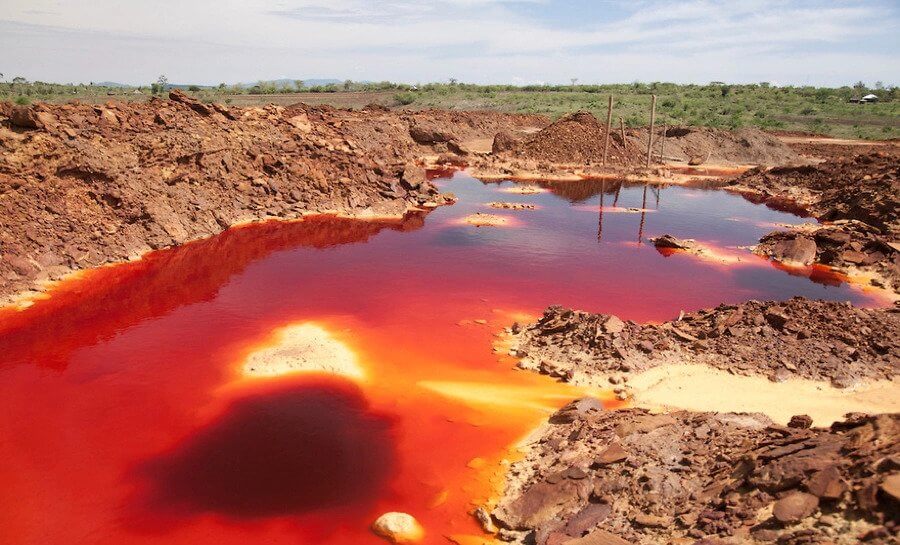
Contaminated water flowing from abandoned mines is one of the most significant contributors to water pollution. Acid mine drainage (AMD) can have severe impacts on aquatic resources, can stunt terrestrial plant growth and harm wetlands, contaminate groundwater, raise water treatment costs, and damage concrete and metal structures, said Dr Ayanda Shabalala.
She is currently involved in a study whose aim is to contribute to the reduction of environmental problems related to mine effluent discharge. Dr Shabalala is becoming one of the young researchers who are steadily building their profiles within the STEM field. Her thesis has produced four published research articles and has seen being invited to three conference presentations.
Cost-effective treatment
Dr Shabalala’s thesis seeks to provide a solution to acid-contaminated water by investigating permeable reactive barriers (PRBs) as an alternative and cost-effective treatment method to address the challenge. Her research interests cover a number of crucial areas related to how contaminated mine water can be rehabilitated. These include water quality monitoring and wastewater treatment. She has also worked on various interesting research projects encompassing areas such as:

- surface and groundwater sampling and monitoring,
- acid mine drainage treatment
- socio-economic impacts of mine closure
- heavy metal contamination
- health risks of soils and vegetables grown near mining areas.
South Africa is one of the countries with high levels of contaminated water flowing from abandoned mines which contribute significantly to water pollution, she said. This has not only led to poor water quality but has also rendered some vast tracks of land unproductive and unsustainable for farming.

Using limestone to neutralise AMD
Dr Shabalala said: “the production of acid mine drainage usually contains high concentrations of metals, sulphates, salts, and radioactive materials which, if left untreated, can contaminate ground and surface watercourses, damaging the health of plants, humans, wildlife, and aquatic species.” Traditionally, she said, the treatment of AMD consists of its neutralisation with limestone or similar materials. However, the high cost of AMD remediation has resulted in the search for alternative liming substitutes which are low cost, readily available, and easily regenerated.
Meeting water quality standards
“My research was aimed at showing that pervious concrete can be effective in treating acidic mine water by efficiently removing undesirable contaminants in the polluted water. Upon treatment, the mine water would meet the water quality standards for discharge of effluents to the environment and can be re-used without causing adverse impacts on the environment,” said Dr Shabalala.
She said the pervious concrete reactive barrier treatment technology in South Africa has not been fully applied and developed; adding that she hopes her study will help to advance the understanding of the PRBs methods. “The knowledge gained could be used to inform policy and decision-making in responding to the AMD threat and to influence legislations affecting waste management,” said Dr Shabalala.
Conserving water resource
She said the PRBs are versatile and are capable of “generating potential remedial measures that not only clean-up contaminated water and soils but also provide the technology for reclamation of disused land due to mining”. Dr Shabalala said the re-use of mine water can be a viable source of agricultural water supply that could contribute to the conservation of water resources and to reduction of environmental problems related to effluent discharge into water bodies.
Dr Shabalala noted that AMD problem is not only confined to South Africa but it is also a global challenge that has widespread negative impact that compromise soil, surface and groundwater quality. In addition, she said, the existing technologies used to treat AMD entail high capital cost, high operation and maintenance costs which make its implementation unsustainable.
Sustainable alternative treatment
Therefore, said Dr Shabalala, the use of pervious concrete-reactive barriers offers a sustainable alternative treatment solution with cost-benefit advantages and the potential to remove heavy metals present in polluted mine water. “Pervious concrete permeable reactive barrier system is a potentially novel and effective AMD treatment system. Concrete is a predominant construction material. Its cost-effectiveness may be exploited to provide economic treatment of AMD,” added Dr Shabalala.