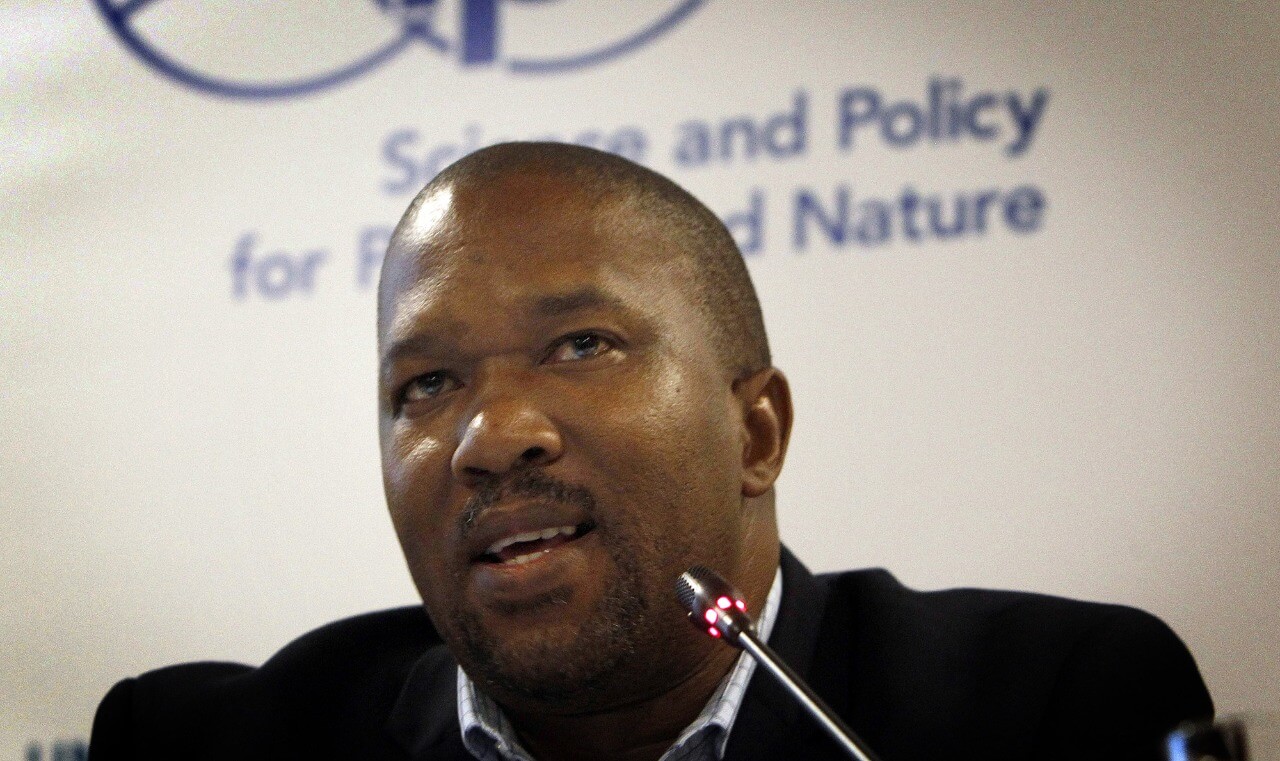

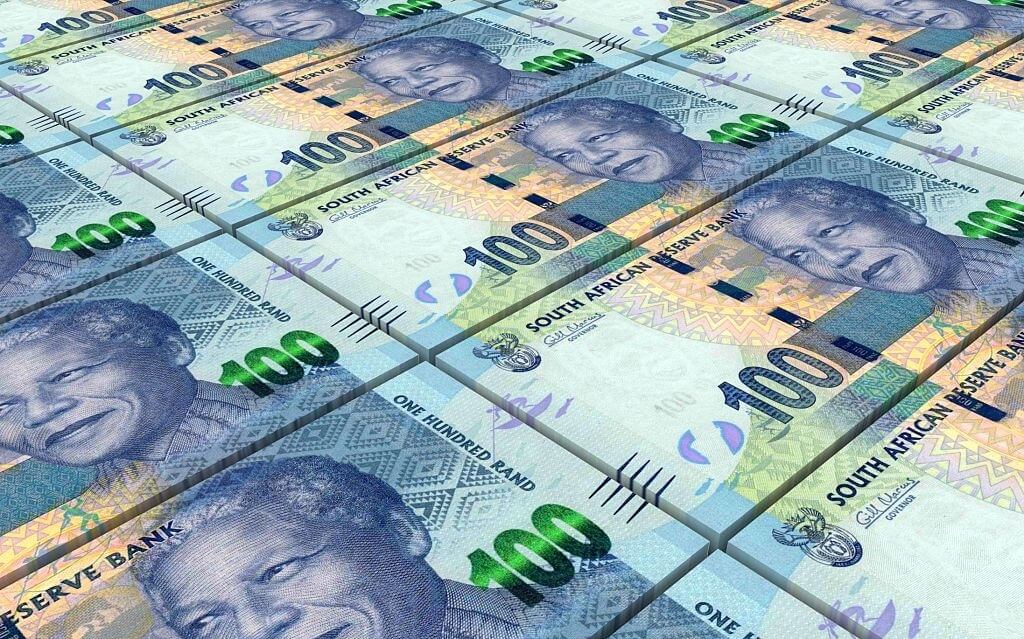
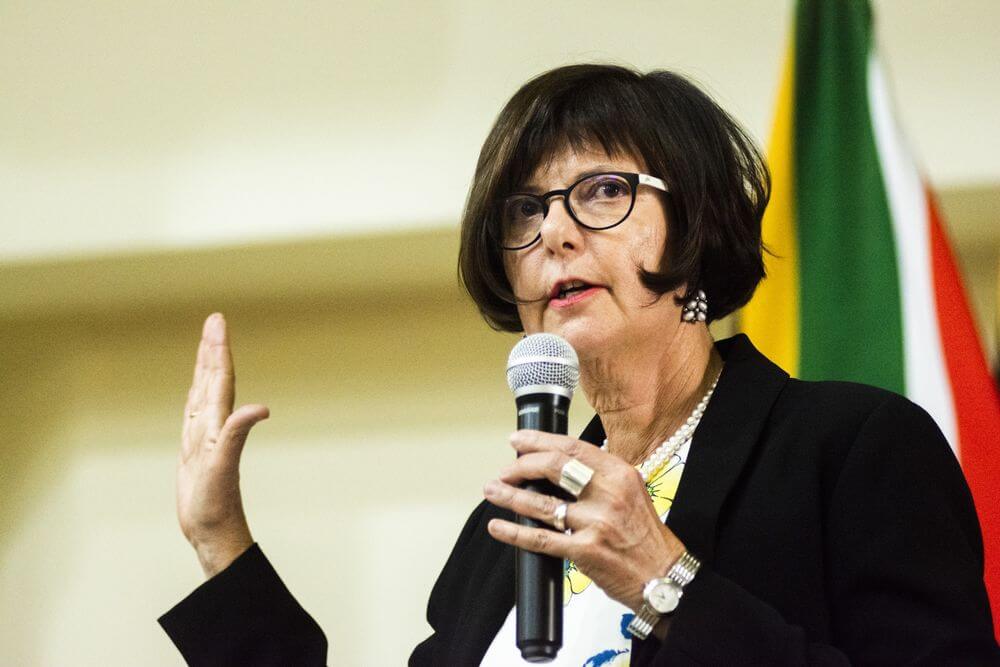
Minister of environment, forestry and fisheries, Barbara Creecy, announced on Friday that South Africa is on the verge of receiving between $200 million and $500 million allocation from the Clean Technology Fund. The multi-million dollars funding is aimed to enable the country in its transition away from fossil fuel – coal to cleaner energy sources.
Climate Investment Funds
Minister Creecy will be representing South Africa at the UN’s climate change conference – COP26 scheduled for 31 October and 12 November in Glasgow, UK. South Africa including Indonesia and India has been invited to take part in a meeting with the Climate Investment Funds (VIF) and participate in the ‘Accelerating Coal Transition Investment Programme’. VIF is a global body used by a number of development finance institutions as a platform to assist developing countries.
Investment plan
Last month minister Creecy met climate envoys, led by the United Kingdom (UK) COP26, Mr John Murton, including representatives from countries such as France, Germany, United States of America and the European Union. She said the three countries have been asked to develop an investment plan commensurate to an indicative allocation of between two and five hundred million US dollars from the Clean Technology Fund. “This allocation includes a one-million-dollar Investment Plan Preparation Grant so we can develop the plan,” she said.
Minister Creecy said the amount that will be allocated will depend on the investment plan South Africa presents to the fund. She said this is not the first time they received funding from the body, adding that in the past this used to take the form of grant financing or loans at concessional rates.
Laying the foundation
Said minister Creecy: “We see the decision by the CIF as a small, but important first step towards laying the foundation work for the broader financing programme of our ‘Just Transition’. The focus of this investment plan will be the Eskom energy transition, including repowering and repurposing of retiring coal plants and investment in new low carbon generation capacity.” She said South Africa has decided to start with energy transition because all goods and services have energy as an input.
Given that electricity is generated by coal, that means all goods and services essentially have high carbon content, said minister Creecy. In addition, consumers and finance institutions are moving away from goods, services and infrastructure, produced with a high carbon footprint.
Reducing carbon footprint
“We think if we can reduce Eskom’s carbon footprint, and thereby reduce the carbon footprint of all goods and services – that is a good place to start,” said minister Creecy. She added that the focus would be on the transport – the highest emitter – which is why government is exploring green hydrogen and electric vehicles. “We believe we are in a very unique position to start to produce a green liquid fuel,” said Creecy. Green liquid fuels will become of crucial importance- especially for the aviation, shipping and trucking sectors, added the minister.
Feasibility studies
She said Eskom has done the bulk of the work on the first phase of the transition plan. This includes feasibility studies on green hydrogen and the introduction of electric vehicles which is being developed by the industrial development corporation and the department of science and innovation. The feasibility work will quantify the investment required and the nature of investments needed in green hydrogen sector and electric vehicle space, said minister Creecy.
Debt burden
The South African government is setting up a high-powered ‘finance work-stream’ which will negotiate on the finances required for the just transition and to develop the investment plan. More importantly, it will have to ensure that the financing does not contribute to the debt burden of the country. The work-stream would include representatives from treasury, Eskom, the Presidency and Creecy’s own department.
Climate resilient
She said the COP26 meeting would be used as informal platform to interact and generate interest to support just transition to the decarbonisation programme and climate resilient society. “While deals will not necessarily be made at COP26, it is an opportunity to meet many people in a short space of time. We are looking for any countries or institutions that want to partner with us,” said minister Creecy.