
The department of forestry, fisheries and environment (DFFE) has forked out R29 million to resolve the chronic problem of waste management that has plagued the Mangaung Metro Municipality in the Free State province. Since 2019 the municipality has been hogging news for its inability to provide waste removal services.
Budget constraints
Deputy minister of DFFE, Ms Makhotso Sotyu, said he intervention is a response to the Mangaung metro municipality’s request for assistance due to waste management challenges and financial budget constrain that the metro is facing.
Environmental experts say uncollected refuse does not only pose serious health hazards but this is also in contravention of applicable regulations and laws such as the Waste Act: National Standard for Domestic Waste Collection. The uncollected wastes also end up blocking the stormwater drain system worsening the already poorly maintained sewerage infrastructure.
Expanded Public Works Programme
The intervention would be implemented as part of the Expanded Public Works Programmes (EPWP) said the DFFE, adding that this is the way it is contributing towards the environmental protection, conservation and sustainability. Furthermore, this will also help create work opportunities, and provide skills development to enable beneficiaries to secure permanent employment, said the DFFE in a media statement. The department said it has plans in place to support municipalities to include environmental priorities in local economic development plans, disaster management plans and integrated development plans.
Improving waste management
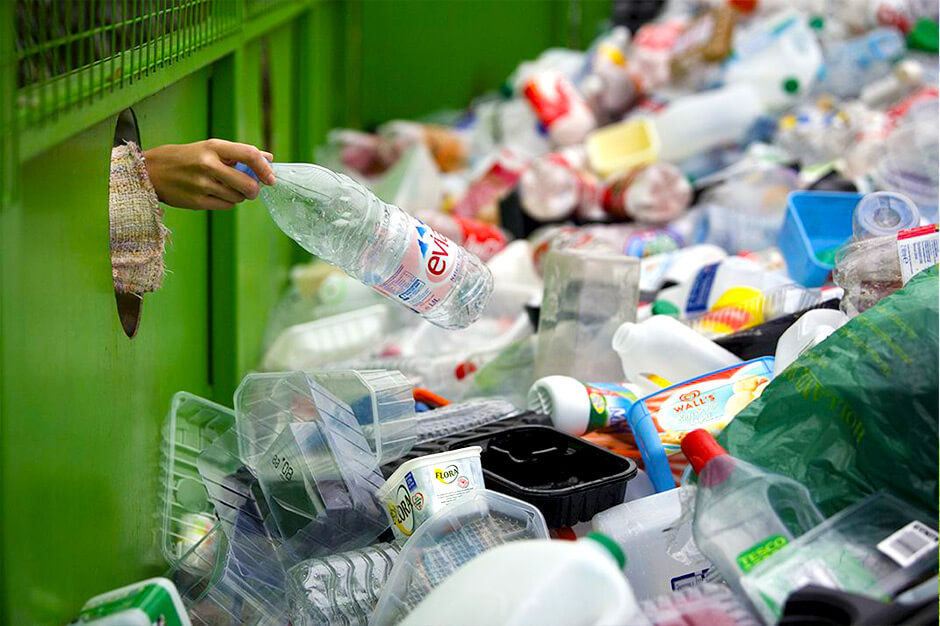
Ms Sotyu said: “Upon receiving the request from Mangaung metro municipality I instructed the department to draft a comprehensive plan to assist the Mangaung metro to improve waste management in the municipality. The intervention which we have prioritised and funded by the department for about R29 million is on improvement in landfill operations, revitalisation of the 2 buy-back centres and clearing of illegal dumping or street cleaning”.
Air quality stations
Ms Sotyu’s visit to the Mangaung metro municipality was preceded by an oversight visit to the Pelonomi ambient air quality monitoring station, also in the Free State province. The facilities are set up to provide valuable data that informs the development of various tools and strategies to improve the quality of air. According to the DFFE, Mangaung municipality has three air quality monitoring stations located in Bayswater, Kagisanong Community Centre and Pelonomi. The stations fell into disrepair a few years ago, but thanks to the DFFE’s intervention, they are now operational. The DFFE intervened to ensure that they are functional and the Pelonomi station currently reports to South African Air Quality Information Systems (SAAQIS).
Car-related emissions
The DFFE said information from Pelonomi station show that air pollution is of concern in the metro, especially particulate matter. Transport-related emissions are most intense in Mangaung and along the major road networks linking the city to surrounding provinces.
Deputy minister Sotyu said: “despite government efforts over the years, particulate matter and sulphur dioxide continue to be the key pollutants of concern across the country, especially in the metropolitan municipalities. As we continue to monitor the quality of air at Pelonomi station…such poor air quality challenges are prevalent in the municipality. These impacts disproportionately affect the poor communities the most as they are most vulnerable to unhealthy environments.”