
Three organisations have banded together in what it is believed to be a ground breaking green project to improve waste management practices in and around Durban’s Warwick Junction Markets. The aim of the initiative is to address the worsening decay around the informal markets in the area and also help restore the Warwick Junction’s historic status.
The key players
The three organisations include the groundWork, Durban University of Technology’s (DUT) Urban Futures Centre and Asiye eTafuleni.
groundWork (gW) is a non-profit environmental justice and development organisation to improve the quality of life for vulnerable people in South Africa and Africa through various partnerships. It also supports civil society to strengthen environmental governance and have been working closely with waste pickers through the South African Waste Pickers Association.
The DUT Urban Futures Centre (UFC) is a multidisciplinary research centre at the university with extensive experience in social justice projects in the city and participatory action research. It provides a virtual space for stakeholders to connect, share ideas, resources and knowledge with partners around the globe. It also links the project to academics, scholars and social activists in the local and international academia.
Asiye eTafuleni is a non-profit organisation that collaborates with allied professionals, informal traders and street vendors to improve the quality of life and business of informal traders. It is strategically based at the Warwick markets and has over 11 years of experience mobilising and organising informal market traders and street vendors to partake in research and knowledge exchange.
Titled: The Urban Informality, Waste Management and Climate Change: Innovative Zero-Waste Solutions from the Informal Street Markets of Warwick in Durban, the three-year project started at the beginning of 2021.
Innovative zero-waste models
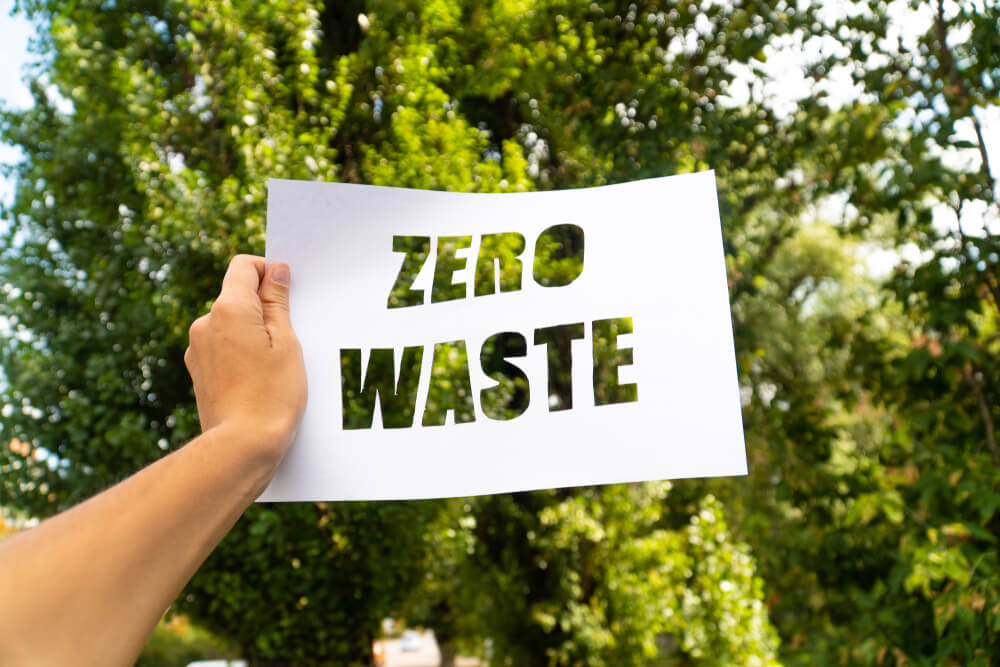
The project looks at informal workers such as street vendors, market traders and waste pickers in African marketplaces can be mobilised to provide innovative zero-waste models for cities across the continent and internationally.
At the core of the initiative are three interrelated elements:
- building connectivity and capacity
- participatory research, and
- mainstreaming alternative ideas on waste management and climate change.
Focus will be on organic waste because this is a significant portion of waste generated in the area and it also explores ways in which to compost organic waste at its source. The will help avoid tons of organic waste overwhelming landfills around Durban.
Aligned with UN goals
Fundamentally, the project addresses and seeks solutions to broader issues associated with environmental justice and climate change. It is also aligned with some of the UN’s Sustainable Development Goals such as creating sustainable cities and communities, responsible production and consumption, climate action and the nurturing of partnerships.
Other key role players include the Global Alliance for Incinerator Alternatives (GAIA), Green Africa Youth Organisation (GAYO), Nipe Fagio and Instituto Polis with the Urban Movement Incubator funding the project. A 2021 study done by the GAIA found that cities which invested in zero waste programmes and policies were able to create sustainable green jobs. This is in addition to known benefits of reducing pollution and improving community health.
Creating replicable model
groundWork’s waste campaigner, Asiphile Khanyile, said the goal of the Warwick Zero Waste Project is to create an easy to replicate, zero waste to landfill case study for large informal markets commonly found in Africa. The project will use existing case studies from other parts of the world as a working reference.
According to groundWork, the Warwick Triangle and its various markets and public transport hubs experience an average of 400 000 of human traffic every weekday. The project is therefore strategically situated in one Africa’s busiest socio-economic hubs making it extremely suitable for research and participation of informal workers to address climate change issues, explained Khanyile
Economic and environmental viability
In addition, said Khanylile, the project demonstrates that the concept of zero waste is socially, economically and environmentally viable and can create sustainable “green” job. It is projected that if Durban were to recover 80% of recyclable and organic material in its waste stream, the city could create over 4 000 new jobs while keeping streets clean. It will also play a pivotal role in diverting waste from landfill sites which also contributes toward the reduction of greenhouse gasses emitted from generation to disposal of waste.
Benefits for informal workers
Some of the several benefits for informal workers around Durban include, according to Khanyile:
- progressively establishing important connections with key players in the sector
- building capacity through the education of informal traders and street vendors beyond their usual scope of work such as waste management systems and climate change and
- fostering active participation from all stakeholders to create a blueprint of what zero-waste could look like in a Durban perspective.