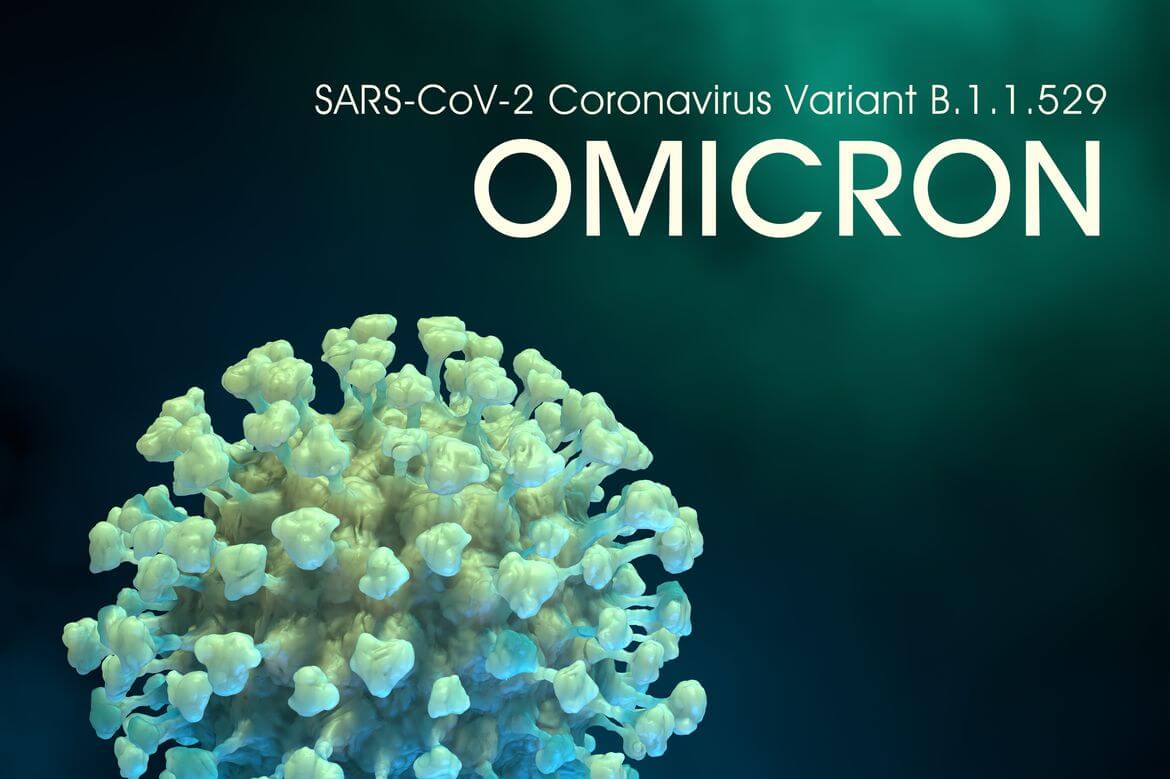
A new study by a group of scientists has revealed that despite booster dose of vaccine a person can still be exposed to breakthrough infections. Carried out by South African and German scientists, the study has provided the first incontrovertible evidence globally that not even three vaccine doses may be enough to prevent infection with the Omicron variant of the SARS-CoV-2 virus.
Titled: “Breakthrough infections with SARS-CoV-2 Omicron variant despite booster dose of mRNA vaccine“, the study was published last week in one of the authoritative medical journals, The Lancet. According to scientists, the Omicron variant has the ability for immune evasion and it was predicted on the basis of its mutation pattern. Several observations have confirmed an increased incidence of re- and breakthrough infections. This led to calls to ramp up vaccination programmes including the provision of vaccine booster doses.
German visitors
The study involved a group of scientists from Stellenbosch University (SU), Ludwig Maximilians University of Munich (Germany), and the Universities of the Western Cape and Cape Town, as well as the National Health Laboratory Service. Seven Germans who visited Cape Town had received three doses of vaccines yet they were infected with the Omicron variant in late November 2021.
The group consisted of five women and two men and four of them were working at different hospitals in Cape Town, while the others were on vacation. All seven of them were fully vaccinated; six had received two doses of the Pfizer vaccine and later a booster dose of Pfizer in five cases, and a booster dose of Moderna Spikevax in the other one. The seventh individual had received an initial dose of AstraZeneca, followed by a dose of Pfizer and later a Pfizer booster. They all had high levels of specific antibodies.
Diagnosed with Covid-19
The visitors started to experience respiratory symptoms between 30 November and 2 December last year when the infections were at their peak in the Western Cape 2021. They were diagnosed with Covid-19 and it was confirmed they have been all infected with the Omicron variant. The authors of the study said the seven were placed in domestic isolation and used a daily symptom diary to document the course of the disease over 21 days. They all experienced mild or moderate symptoms (shortness of breath). Their blood oxygenation levels remained in the normal range and none of them required hospitalisation, said the authors.
The first in the world
The authors of the study said this is the first in the world to report, and characterise, breakthrough infections with the Omicron variant in fully vaccinated individuals after receipt of vaccine booster doses. Booster doses were administered in the seven between 21 and 37 weeks after the second vaccine doses. Breakthrough infections occurred 22 to 59 days thereafter. The data confirms the view that booster vaccine dose provides insufficient protection against Omicron infection. However, the authors stress the point that even though the study involved a small number of cases in relatively young and healthy individuals, the mild to moderate symptoms experienced may suggest that boosted vaccination still provides good protection against severe disease caused by Omicron.
Serendipitous
The authors said the study was discovered by sheer chance. It all started when the joint first author, Constanze Kuhlmann, who was also one of the seven Germans experiencing breakthrough infections from the division of hand, plastic and aesthetic surgery at the Ludwig Maximilians University of Munich, contacted the last author, Prof Wolfgang Preiser, head of the division of medical virology at SU’s faculty of medicine and health sciences.
Unique opportunity
Professor Preiser said: “The presence of this group of Germans in South Africa, when it became the first country to experience a pandemic wave driven by the Omicron variant, presented a unique opportunity to generate highly relevant and sorely needed information on the implications of the newly emerged variant for vaccination.” He added that: “Clinical studies usually take weeks if not longer to prepare. To commence a study from one moment to the next required a lot of resourcefulness, innovative thinking, and extremely quick action to organise patient recruitment, arrange for sample logistics, and perform laboratory testing.”
Informed consent
The study’s findings support the need for updated vaccines to provide better protection against infection with the Omicron variant, said the authors of the study. They also emphasise that non-pharmaceutical measures should be maintained for now. This study was approved by the Health Research Ethics Committees of SU and the University of Cape Town and all participants provided informed consent, the authors said.