


Pursuing one’s dream and passion requires single-mindedness, selflessness and a touch of perseverance. It also means leaving one’s comfort zone. And this is what Sibongile Mtsabe did when she decided to take a plunge and founded Sibocali Traders.
Crispy chips
Mtsabe used to work in the corporate world until 2011 when she started to take a completely different direction. Mtsabe always enjoyed cooking and while she was doing a desktop research she came across some interesting information of farming and related activities. This resonated with her particularly as a passionate entrepreneur. And one day when she was wanted to make crispy chips from cassava she could not find any. She then started to experiment with yams and other various vegetables, the chips came out nicely and she decided to share it with friends and family members. The feedback was positive and soon the demand grew and she started selling them.
Miss Mtsabe also believes in healthy lifestyles and she ensures that her products provide an ideal platform for her to promote nutritious food to help address health conditions such as obesity, diabetes and malnutrition. Health experts have identified these conditions as some of the major causes of deaths in the country.
Supporting local farmers
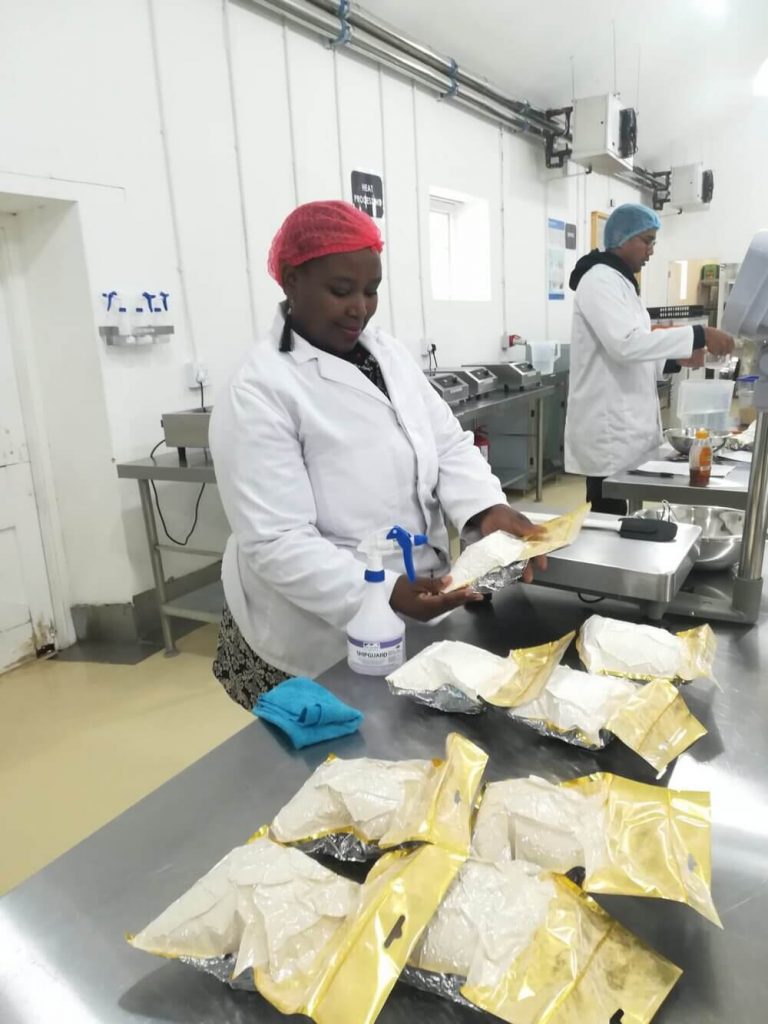
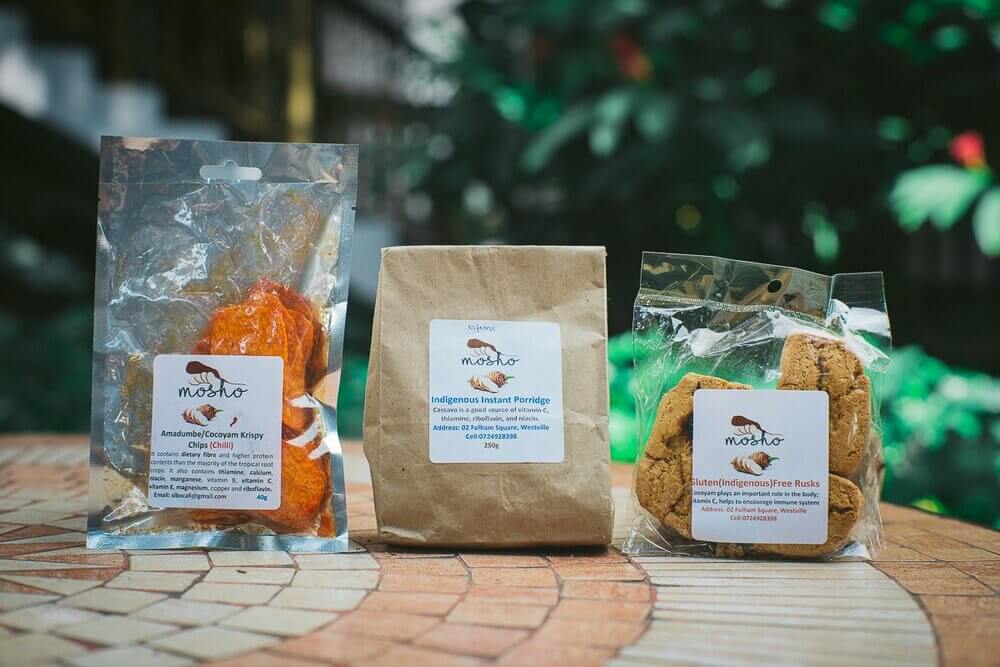
Miss Mtsabke uses indigenous roots and plants like yams, sweet potatoes, cassava and quinoa which are processed into crispy chips, gluten free flour and instant porridge. The raw materials are sourced from subsistence farmers. Not only does she source these raw materials from the farmers but she also supplies them with the seedlings. Miss Mtsabe added that in the beginning this was on a small scale but it has since grown and they are involving more farmers who plant cocoyam, sweet potato and cassava for her enterprise. Miss Mtsabe says she is currently working with the department of agriculture to ensure a certain grade and they are training the farmers to produce on a commercial scale.
Self-reliance
She says the foodstuffs she produces not only provide fresh and healthy meals to communities but she also empowers the locals to be self-sufficient and produce their own food. Miss Mtsabe says her products are packed with healthy nutrients and are easy to digest which is good for the gut. She says she has assembled a committed and hardworking team that has bought into her vision of not only providing quality food but also ensuring they improve their customers’ relations and experience.
Empowering generations in Africa
Miss Mtsabe says her vision is to continue to play a significant role on economic development of rural and township communities using agriculture as means to generate income, helping communities to realise their potential and implement projects to create a legacy that will feed and empower generations in Africa. Her company has created partnership with the department of agriculture with a view to ensuring they are training the farmers to produce on a commercial scale.
Highly qualified
Miss Mtsabe boasts a number of qualifications including Bachelor of technology in marketing degree, national certificate in multimedia and NQF Level 4 in project management. She also received training in crops, fish farming, poultry, piggery imports and exports in international marketing. To market her business, Miss Mtsabe says she uses exhibitions aimed hosted by the department of trade and industry to showcase her products. In addition, she is also leveraging digital and social media platforms such as Facebook, Instagram and LinkedIn to reach more potential customers.