International Day of Action for Rivers is observed annually on March 14 and is dedicated to saving, celebrating and creating awareness about the importance of rivers. This 25th anniversary will highlight the importance of rivers to Biodiversity.
The role of rivers
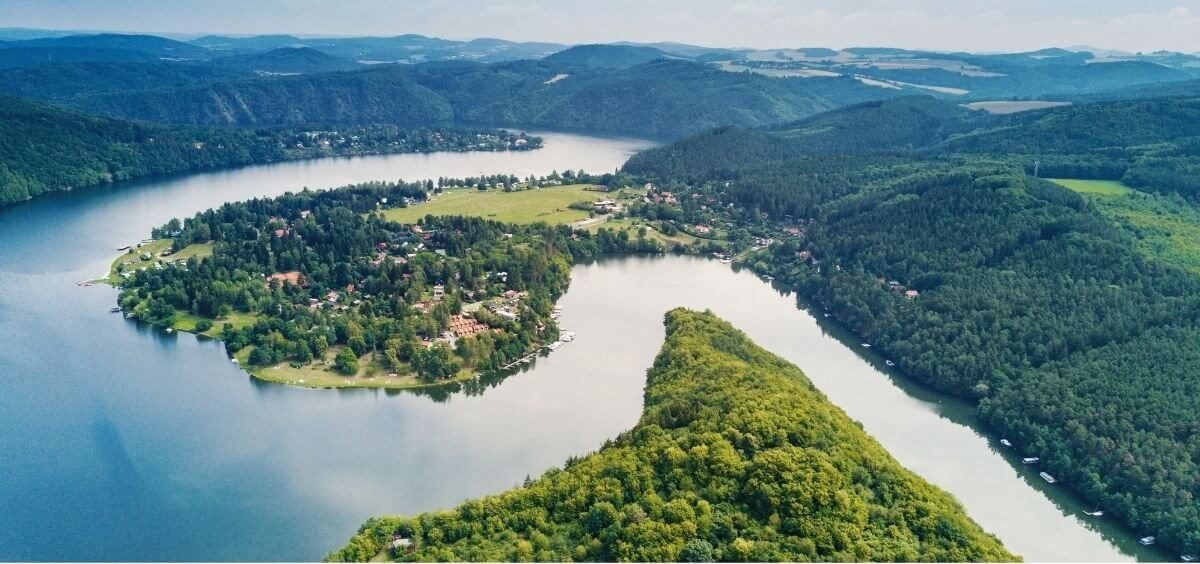
Rivers are lifelines to restoring and maintaining the world’s biodiversity and river systems are the zone of Earth’s highest biological diversity. Freshwater ecosystems are the most degraded in the world and global action is needed to turn this around.
Free-flowing rivers work just like human arteries, providing the world’s ecosystems with critical freshwater resources, sustaining a higher biodiversity per square kilometre than almost any other ecosystem. Rivers are crucial to food security, livelihoods and cultural traditions of millions, especially indigenous and traditional peoples around the world. Yet freshwater ecosystems are being fragmented, diverted and polluted. Only one-third of the world’s rivers remain free-flowing, and less than 10% of the world’s river basins are protected.
Women River Defenders
Across the world, women play critical leadership and community roles in providing, managing and safeguarding water resources. However, too often, governments ignore women’s lives and perspectives when making decisions about water. Years of experience had shown how dams and other water infrastructures impact communities in gendered ways.
Hydropower dam projects often exacerbate existing power imbalances between women and men. In many cases, women suffer the negative impacts of dam development disproportionately, facing gender-based violence, insufficient compensation, lost livelihoods and a lack of access to information, decision-makers and justice systems.
GreeningAfrika honours them as we celebrate this international day.
A well-known indigenous leader and defender of women’s, indigenous and environmental rights from Itaituba, Pará, in the Brazilian Amazon, Korap had been using her position to fight against human rights abuses resulting from infrastructural mega-projects in the protected areas of the Amazon region. The first woman to co-ordinate the Pariri Indigenous Association, formed by thirty-five families from ten indigenous groups in the Médio Tapajós region in Itaituba, she was awarded the Robert F. Kennedy Human Rights prize in 2020.
Amy Kober and Barbara Johnston from the USA, Antonia Melo from Brazil, Arita Rachatani from Thailand and the late Berta Cáceres from Honduras, are but a few women across the globe who had taken up the fight for the world’s rivers as water becomes a scarser commodity, especially in emerging economies.
ANABELA LEMOS from Africa
In sub Saharan Africa,Anabela Lemos fromMozambique had been fighting for environmental and social justice for the past two decades. She is a respected environmental activist and founder of Justiça Ambiental-Mozambican civil society organisation committed to building a new socio-economic paradigm. She recently won the Swedish government’s Per Anger Prize for the work she leads in Mozambique, focused on respecting the human rights of local people.
This year the world meets for the 15th Convention on Biological Diversity (CBD). Freshwater ecosystems are the most degraded in the world and global action is needed to turn this around. Let’s make our voices heard. #RiversUniteUs