

Green Afrika

Green Africa Logo
The African Scientists Directory logo
Menu
  • News
  • Environment
    • Biodiversity & Conservation
    • Climate Change
    • Waste Management
    • Sustainability
  • Green Business & Innovation
  • Opinion & Analysis
  • Travel & Tourism
  • Special Report
Facebook Twitter Instagram Linkedin
Home News
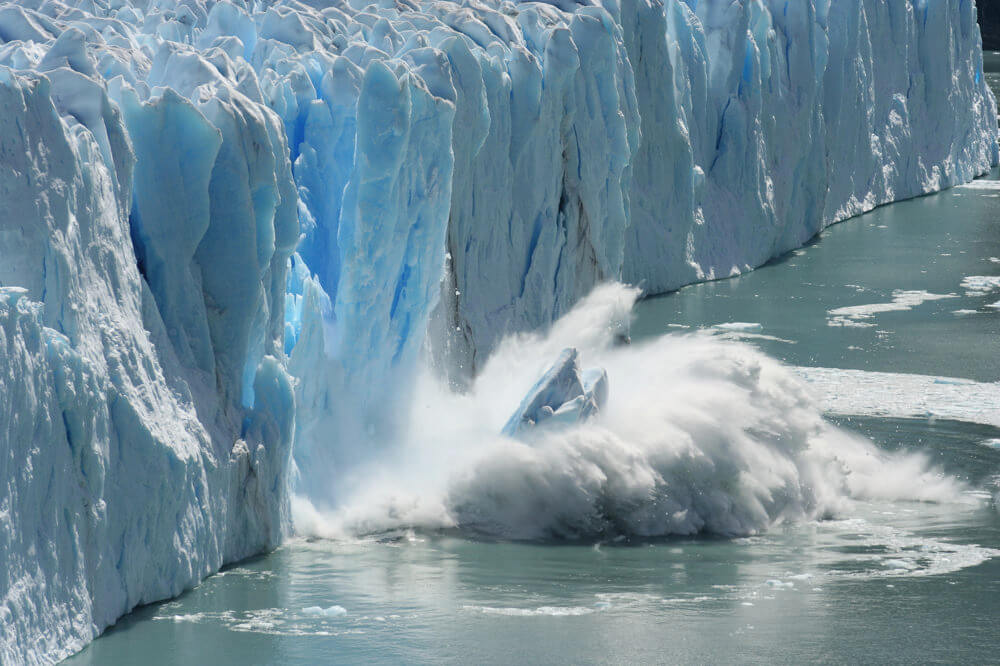
Alex Rose-Innes What happens in the Arctic unfortunately does not stay in the Arctic and Donatella Zona, an associate professor of biology at San Diego State University, focusing on the effect of climate change on ecosystems, is of the opinion that “greening” of the ice zone will not be beneficial, but rather affect the entire planet adversely and current assumptions of what would work, could be incorrect. Seasons are changing As the entire planet is warming up, the growing season here is also speeding up, three times faster than the global average. So what does it mean if green is not the holy grail of the future? Some experts believed that more plants with their carbon dioxide uptake abilities could hold climate change at bay. Unfortunately, it is not the case. Prof Zona and her team, in a new study, showed that despite satellite images depicting more green areas across the Arctic tundra, plants can only absorb so much carbon dioxide from the atmosphere and not more. The study had been undertaken over the past five years across the Arctic tundra where under the ice, the soil is frozen permafrost. The top layer is covered with different types of grass and shrubs during summer. In The Scientist, Prof Zona said that despite the hugely beneficial input of satellite studies over a decade, it does not measure the carbon dioxide uptake of plants. Scientists use data from these images to estimate plant growth, but in depth studies had been lacking, which is why Prof Zona’s research now provides extensive information with data from Alaska, Canada, Siberia and Greenland. Despite greening, carbon dioxide did not decrease as the Arctic suffered heat waves, leaving plants gasping for clean air (just as humans) and their regular growth cycle had been impacted by the effects of climate change. The Arctic is often referred to as a gigantic carbon sink. However, with the earlier thawing of permafrost and other organic matter, more greenhouse gas is now released into the atmosphere and the Zono team proved it could have devastating consequences for ecosystems, animals and people. How does it affect Africa? The Intergovernmental Panel on Climate Change (IPCC), part of the United Nation’s body for assessing science related issues and its effect on climate change, estimates that changes in snow cover have already affected food and water security. Also, if Arctic greening is shifting seasons, current measuring models could be missing important information. The result could be that processes experts believed would slow or mitigate climate change are not working as expected. *This article from The Conversation is part a Creative Commons license and had been rewritten and edited by Alex Rose-Innes to fit the mandate of GreeningAfrika.
Arctic meltdown impacting global food security

by greena
April 5, 2022
in News
A A

Alex Rose-Innes

What happens in the Arctic unfortunately does not stay in the Arctic and Donatella Zona, an associate professor of biology at San Diego State University,focusing on the effect of climate change on ecosystems, is of the opinion that “greening” of the ice zone will not be beneficial, but rather affect the entire planet adversely and current assumptions of what would work, could be incorrect.

Seasons are changing

As the entire planet is warming up, the growing season here is also speeding up, three times faster than the global average. So what does it mean if green is not the holy grail of the future?

Some experts believed that more plants with their carbon dioxide uptake abilities could hold climate change at bay. Unfortunately, it is not the case. Prof Zona and her team, in a new study, showed that despite satellite images depicting more green areas across the Arctic tundra, plants can only absorb so much carbon dioxide from the atmosphere and not more.

The study had been undertaken over the past five years across the Arctic tundra where under the ice, the soil is frozen permafrost. The top layer is covered with different types of grass and shrubs during summer.

In The Scientist, Prof Zona said that despite the hugely beneficial input of satellite studies over a decade, it does not measure the carbon dioxide uptake of plants. Scientists use data from these images to estimate plant growth, but in depth studies had been lacking, which is why Prof Zona’s research now provides extensive information with data from Alaska, Canada, Siberia and Greenland.

Despite greening, carbon dioxide did not decrease as the Arctic suffered heat waves, leaving plants gasping for clean air (just as humans) and their regular growth cycle had been impacted by the effects of climate change.

The Arctic is often referred to as a gigantic carbon sink. However, with the earlier thawing of permafrost and other organic matter, more greenhouse gas is now released into the atmosphere and the Zono team proved it could have devastating consequences for ecosystems, animals and people.

How does it affect Africa?

The Intergovernmental Panel on Climate Change (IPCC), part of the United Nation’s body for assessing science related issues and its effect on climate change, estimates that changes in snow cover have already affected food and water security. Also, if Arctic greening is shifting seasons, current measuring models could be missing important information. The result could be that processes experts believed would slow or mitigate climate change are not working as expected. 

*This article from The Conversation is part a Creative Commons license and had been rewritten and edited by Alex Rose-Innes to fit the mandate of GreeningAfrika.

Related Posts

Manta Ray
Biodiversity & Conservation

Good news for Manta Rays

January 21, 2026
traditional-medicine
Environment

Technology to integrate indigenous plants into SA healthcare

December 8, 2025
World Future Council
Biodiversity & Conservation

SA wins World Future Policy Award

November 3, 2025
Next Post
Marine ecosystems under stress

Marine ecosystems under stress

Calling on more young women to take farming

Calling on more young women to take farming

Recent News

crop spraying

Closing the Regulatory Rift: Global Pathways to Eliminate Highly Hazardous Pesticides

July 23, 2026
Conservation in Africa

Conservation in Africa: Protecting Our Natural Heritage

June 22, 2026
African youth caring for the environment

African Youth and Environmental Innovation

June 15, 2026
Section 63 in Action: Rand Water’s structural reset of Emfuleni’s wastewater system

Section 63 in Action: Rand Water’s structural reset of Emfuleni’s wastewater system

June 4, 2026

Categories

Subscribe To Our Weekly Newsletters

Green Africa Logo

Empowering Afrika through Change: Discover, Learn, and Act for a Sustainable Future

Facebook Twitter Instagram Linkedin

Categories

  • Environment
  • Green Business & Innovation
  • News
  • Opinion & Analysis
  • Special Report
  • Travel & Tourism

Discover

  • Biodiversity and Conservation
  • Climate Change
  • Innovation
  • Sustainability
  • Waste Management

More

  • About
  • Advertise
  • Contact
  • Newsletter

Subscribe to our weekly newsletter

Subscribe to our newsletter

© 2024 Greening Afrika: Powered by – Media Torque and Events. All rights reserved.

  • Privacy Policy
  • Terms & Conditions
  • Advertise with Us
imunify-bot-check



