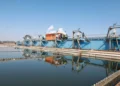


Laurens Friso from Kenya is ensuring a healthier planet by renting out lithium battery-powered electric boat engines to fishers on Lake Victoria. And it comes complete with a maintenance and support package.
Friso turned to technology to save costs for fishers and lessen the negative carbon dioxide footprint. Not only does he offer an alternative and cheaper option, he, in fact, also puts money back into the pockets of fishers who have many problems with a traditional petrol or diesel engines. These fishers make their living from catches on Lake Victoria and the unreliability of fuel engines and substantial upfront costs, eat into their incomes.
Fuel, being the highest cost, also left fishers with very little leverage in acquiring it. ASOBO’s electric engine’s daily cost is 25% cheaper on average and the service model means less additional unplanned expenses.
SOBO reduces emissions and pollution and also offers a unique business model and economic benefits for fishers, providing e-mobility on water.
Another benefit of using renewable energy solutions is that it reduces the need to import fossil fuels and has a direct beneficial effect on the country’s foreign currency reserves.
Technology to the rescue
Fiso says technology, to create better products, had been paramount to his business model. Engines are sourced from suppliers and another value added service that SOBO brings, is the fee structure. Fishers can currently lease “green” engines from one day to one month. There are plans to introduce longer leasing plans and pay-per-use options.
Solar benefits
The batteries are solar charged during the day and are fully charged by the time the fishers go out at night. A 24-hour helpline is also available and even assistant captains are on hand to train fishers. SOBO prides itself on its training and support to make the transition as smooth as possible for the customer.
Yes, there are issues to overcome and to convince all stakeholders of the benefits of SOBO, but Fiso, as co-founder and CEO, believes in his product. For him and his team there are still challenges, but with the assistance of local community leaders, they hope to take their unique business model to major cities with Nairobi, Kisumu and Mombasa as main hubs.