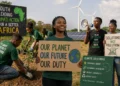

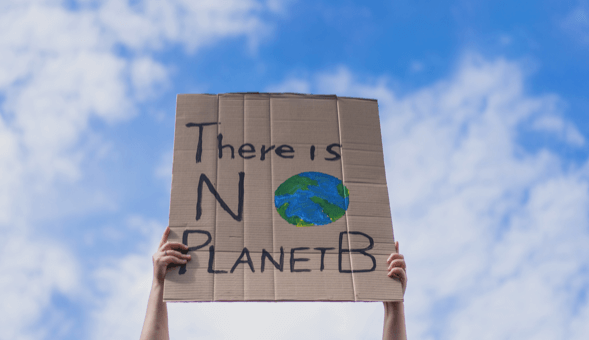
Waste and pollution are among the greatest threats to the health of our environment and well-being, said Ms. Barbara Creecy, minister of fisheries, forestry and environment yesterday as she delivered her speech in observation of the World Environment Day.
Urgent need for humanity
This year’s theme was ‘Ecosystems Restoration’ and minister Creecy said not only is the theme-appropriate but it is also crucial for “in the history of humanity, there has never been a more urgent need for all of us to heed this global rallying cry to heal our planet”. The minister also used the occasion to mark 25 years of co-operation between her department and the United Nations Development Programme.
Addressing triple emergencies
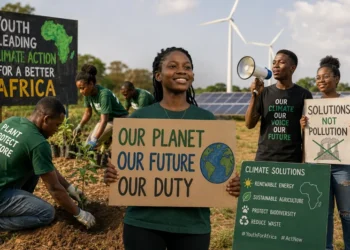
She said the recent floods in KwaZulu-Natal, Eastern Cape and some parts of the North West which took lives, destroyed basic infrastructure and livelihoods highlight the dangers posed by climate change. Minister Creecy said these calamities should also galvanise all South Africans to assist government in addressing triple planet emergencies, namely, climate change, bio-diversity loss and environment degradation and pollution.
Communities should pitch in
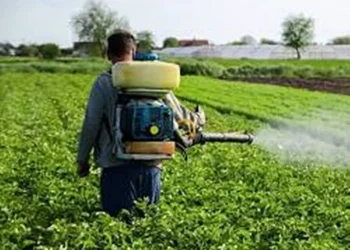
The minister said addressing pollution and waste is not government’s responsibility alone but communities should also help by continuously being conscious about how they dispose of their household refuse. She said households can assist by reducing the use of pesticides in their homes, using organic waste into compost for their gardens and planting trees and other greeneries in open spaces around them.
Climate resilience
Minister Creecy said her department is working hard to put up the appropriate architecture to mitigategreenhouse gases; that all the municipalities are climate resilient and are supported to implement air quality legislation as well as ensuring they manage waste better. She stressed the significance of recycling; saying communities must separate recyclable material from the waste and assist recyclers to have decent and quality of living by taking the recyclables to specified dumping site.
Landfills
She said over 150 landfills in all 44 district municipalities are not compliant with the relevant regulations. “This means waste is leeching into the environment and ground water supply system,” said minister, adding “We have a programme to work with municipalities to ensure their landfills become more compliant, for instance, in the city of Mangaung we have contributed R12 .5 million to ensure their landfills meet environment requirements.” She said they are also encouraging municipalities to look at waste diversion measures such as recycling particularly in municipalities where land is scarce. In addition, minister Creecy said her department is looking at ‘waste-to-energy’, which is widely used in most developing countries, as a way of reducing the number of landfills.
Regulatory environment
The minister also said government is a signatory to all three Rio de Janeiro’s bio-diversity conventions and that it has undertaken to reduce its carbon footprint from 2025. “By working with seven sectors of our community we aim to achieve a low carbon economy and a climate resilient society by the mid-Century. To ensure these targets have sound regulatory environment and to promote compliance across all our 44 district municipalities and by all departments and all levels of our government our ‘Climate Bill’ is currently before the National Assembly,” said minister Creecy.
Expansion of protected areas
She said her department has a protected areas expansion strategy and that currently about 16.5% of the land and 14.5% territory of the oceans are under protection. “The plan is to expand these by half a percent per annum until we have reached 28% protection of all our land and seas by 2036. She said this year government aims to invest R2.2 billion in managing protected areas, restoring ecosystems, removing alien species and preventing wild fires.
Minister Creecy said through the revised ‘National Waste management Strategy 2022’ her department is encouraging municipalities to build more effective and sustainable waste services and support the re-use and recycling of waste.