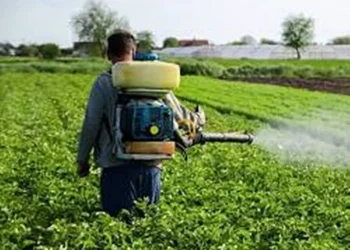

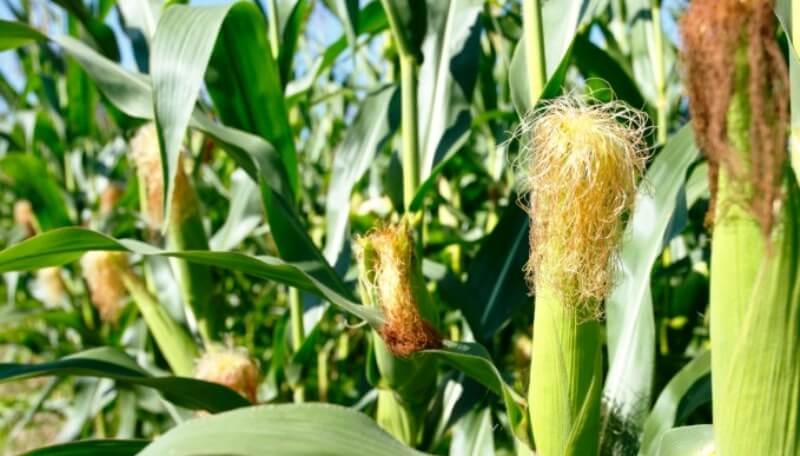
Farmers say the unusually higher rainfalls this year have impacted harvesting at their farms such that they had to harvest each cob of maize by hand.
Senior economist at Grain South Africa, Corne Louw confirmed that following the prolonged wet season they had to rely on the traditional, laborious and time-consuming hand harvesting instead of the mechanised combine harvester. This compelled them to employ seasonal labourers which proved expensive as this was not budgeted for.
Above-average rainfalls
According to Senwes, one of the leading agri-businesses in South Africa, various modelling platforms picked up a strong signal of La Nina for 2022. It also forecasted that the rainy season was a sequel to above-average rainfall seasons experienced in 2020 and 2021. Senwes also noted that these consecutive high-rainfall summer seasons led to widespread water logging in several parts of the country. Grain SA’s Willem Groothof said that farmers in North West and the Free State were particularly hard hit by the unprecedented rainfall patterns and this presented difficulties to the farmers during the harvesting period. Said Groothof: “In recent years, grain farmers had mechanised [their operations] as much as possible and therefore this has added an expense that was not budgeted for.”
Creating jobs
But the upside of the situation is that this helped eased the high unemployment level as more casual labourers who were readily given jobs. According to the latest data, the country’s unemployment rate stands at 34.5% and the majority of these are youth. Even though the employment of the labourers came at cost to the farmers, scores of jobless people people were gainfully employed albeit temporarily.
No food shortages
President of Agri SA, Jaco Minnaar, confirmed waterlogged lands presented a problem to farmers, but he said this was not insurmountable. “The sunflower and maize harvests are simply coming in at a slower pace than normal. But you cannot harvest soya bean by hand, and therefore some of this crop is going to waste,” said Minnaar. But he said despite the fact that farmers suffered financially the slow process in harvesting, overall this would not negatively impact the quality of the harvest. He also assured the country that this would also not affect food security or food shortage in the short term.
Global markets
Said Minnaar: “More than enough grain has already been delivered to silos, and we do not foresee any short-term problems in terms of grain supply. Government is understandably concerned about food availability given the existing uncertainty in the global agricultural markets.” The latest data from the South African Grain Information Service shows that more than five million tons of white and yellow maize had already reached the silos during the first four months of the current marketing year, which traditionally runs from March 2022 and February 2023.
The latest projections obtained from the Agbiz Grain indicated that South Africa produced between 10 million and 12 million tons of maize per annum. Of this, 4, 1 million tons were used for human consumption, while about 3, 9 million tons went to animal feed. The starch and glucose manufacturing industry consumed about 650 000t of maize annually, according to Agbiz Grain.



![Fighting global warming by recycling [news]papers](https://www.greeningafrika.com/wp-content/uploads/2022/08/Fighting-global-warming-by-recycling-newspapers-75x75.jpeg)