
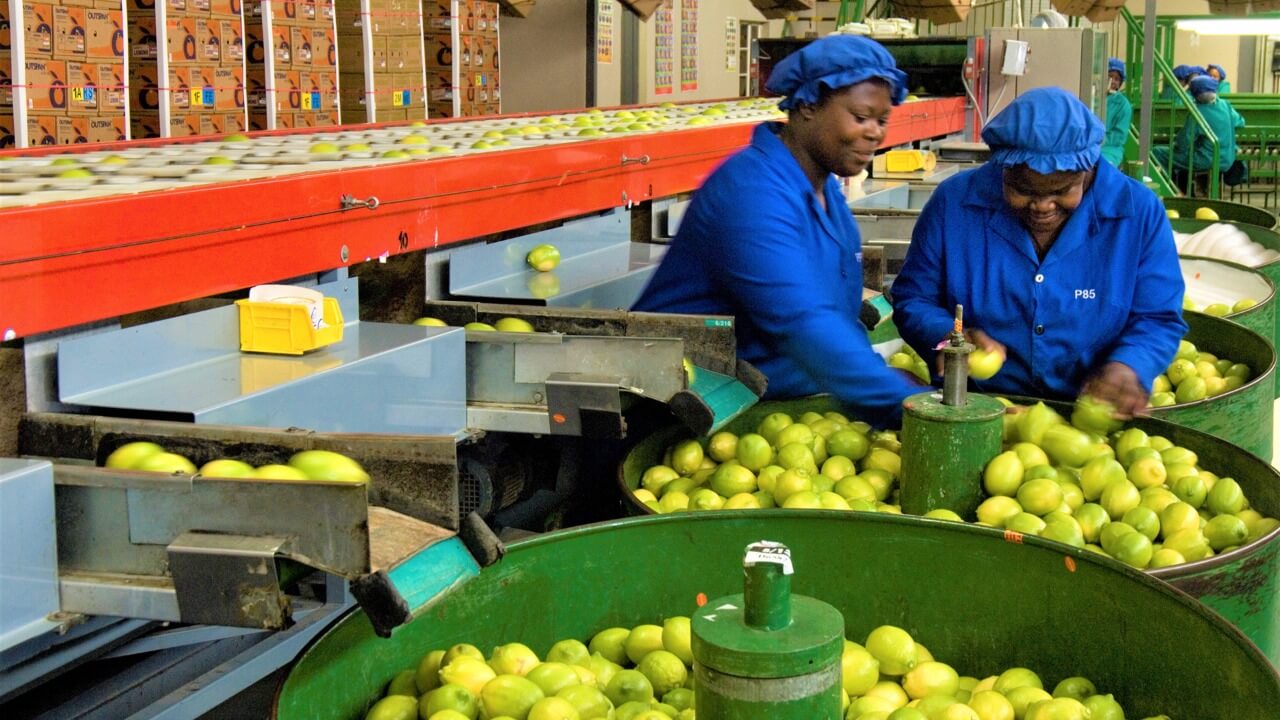
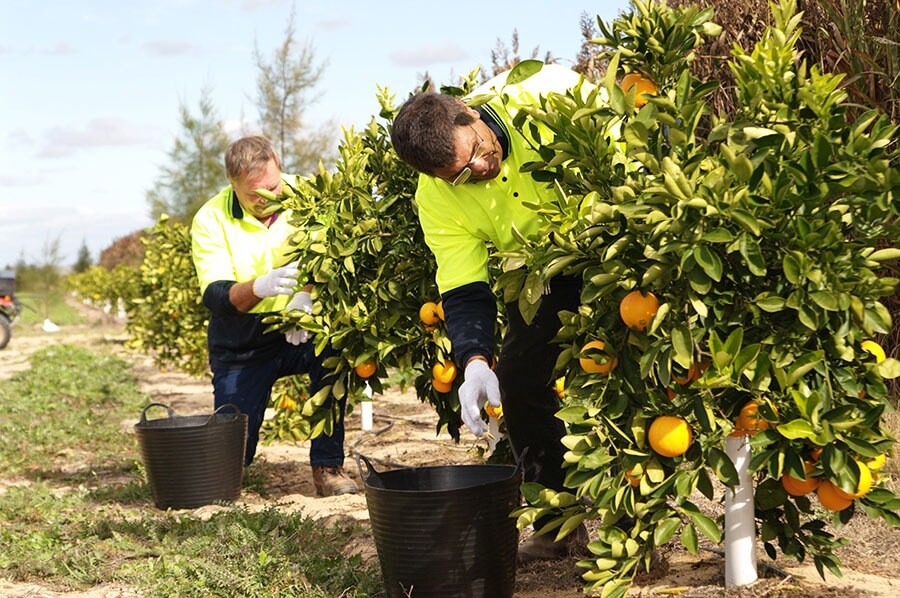
The department of agriculture, rural development and land reform (DALRRD) has secured a last minute concession that will allow South African citrus growers to export their harvest to the European Union (EU) markets.
The EU blocked consignments of South African fruits because they did not meet a regime of its newly revised phytosanitary requirements. The EU said the new measures are aimed at regulating the risk associated with false codling moth infestations (FCM). The new measures include amended additional phytosanitary declarations for grapefruit and soft citrus and revised cold treatment regime for oranges. Citrus from South Africa are required to be cooled to between -1˚C and 2 ˚C for at least 25 days before being allowed to enter the EU.
Stranded containers
The regulations were published on 21 June and came into effect by 24 June which was right in the middle of the South African production season. This saw large volumes of containers being stranded at various European harbours because they were shipped before the new protocols came into force. According to the DALRRD, over 2 000 containers, valued at R 500 million, were affected by this blockage. To date they managed to clear more than 300 containers and are working round the clock to process the remaining containers. The ports that were presented by industry as those where South African oranges were rejected included ports in Denmark, France, Germany, Italy, Netherlands, Portugal, Spain, and Sweden.
EU’s insistence on new measures
The DALRRD said meeting these deadlines within three days, as stipulated by the new EU’s protocols, was unrealistic. “The reasonable date relating to compliance with new measures would have been for consignments leaving South Africa on 9 July 2022, considering required adjustments of systems and communication to the different regulatory sites, which required at least three weeks from publication. However, the EU insisted on the 14th July 2022 as an implementation date,” said the department. The DALRRD said the deadlock was eventually resolved through replacement of phytosanitary certificates with correct additional declarations complying with the agreed dates.
Short-term relief
While the citrus industry welcomes the resolution of the impasse, they said this provides a short-term relief as it does not address the massive on-going threat to the citrus industry. The citrus growers will incur over R200 million losses, according to Hannes de Waal, chairperson of the Citrus Growers’ Association (CGA). In addition, the growers will in all probabilities receive half of their anticipated returns on any fruit that is released. De Waal said this is due to the fact that most containers have been standing idle for a few weeks, and have therefore missed their programmes because of late arrival.
Long-term threat to citrus industry
Industry players and observers say citrus production has become marginal over the years partly due to declining government subsidies. CGA’s chief executive officer, Justin Chadwick said that the sector faces threat due to the long-term implementation of the unjustified, impractical and discriminatory EU FCM regulation on South African oranges. He said these regulations are not only onerous but may also prove impossible to implement by the local industry going forward.
There is an overwhelming view that the EU’s new regulations were politically motivated to appease Spanish farmers who early this year – together with cattle-breeders, hunters and supporters of opposition – staged a march to protest policies by the Spain’s left-of-centre government ahead of early election in Spain. South Africa is the world’s second largest exporter of fresh citrus after Spain. “The truth is that exports from South Africa won’t make much difference to the financial viability of Spanish producers, whereas these new regulations can destroy the South African industry,” said Deon Joubert, the CGA’s special envoy for market access and EU matters.
WTO’s intervention
The department of Trade, Industry and Competition (DTIC), which was also heavily involved in the negotiations with the EU, said the new measures are unscientific. Meanwhile the DALRRD and DTIC have requested the intervention of the World Trade Organisation to intervene in the matter. This would give the EU and South Africa 30 to 45 days to engage and reach a long-term settlement. If the two parties fail to reach a deal, the matter would be referred to the WTO appointed settlement panel, a prospect that CGA fear could take up to two years to complete thus deepening the industry’s woes.