
Improving the welfare of farmed fish and farming lower in the food chain is key to making European aquaculture more sustainable as it often leads to less pollution, lower antibiotic use and greater food security, a pioneering new report released today by Compassion in World Farming urges.
The report, Rethinking EU Aquaculture: for People, Planet, and Animals, is the first to draw together the sustainability and environmental issues caused by intensive EU fish farming, the need to move away from this type of production to improve animal welfare and create a more sustainable industry, and to give clear policy solutions for legislators. It calls for strict new EU requirements for fish farming and policies that promote sustainable alternatives like farming bivalves and seaweed. This is aligned with the European Green Deal as animal welfare and environmental sustainability go hand in hand.
Nearly 90% of assessed wild fish stocks are overfished or fished at their maximum yields and aquaculture is often heralded as a solution. However, a large proportion of modern aquaculture farms carnivorous fish (like salmon, trout or tuna) in intensive feed-based systems, which actually contributes to overfishing and creates many environmental and welfare problems.
Written by the NGO’s fish policy team, led by Dr Krzysztof Wojtas, the report provides 15 clear policy recommendations and outlines the problems caused by intensive, feed-based production of aquatic animals, which is increasing in Europe and worldwide. It shows that these systems typically result in a net loss of food available for people and highlights the urgent need to steer the EU aquaculture industry towards sustainable production of aquatic species that are lower in the food chain, in extensive systems.
Olga Kikou, Head of Compassion in World Farming EU, said: “Fish farming in the EU is neither sustainable, nor ethical, since the legal requirements are very weak. However, this year will be decisive. The EU is overhauling its outdated laws protecting farmed animals and farmed fish must not be forgotten. Better welfare standards will not only prevent unnecessary suffering in underwater factory farms, they will also help reduce the industry’s negative impacts on the environment and food security.”
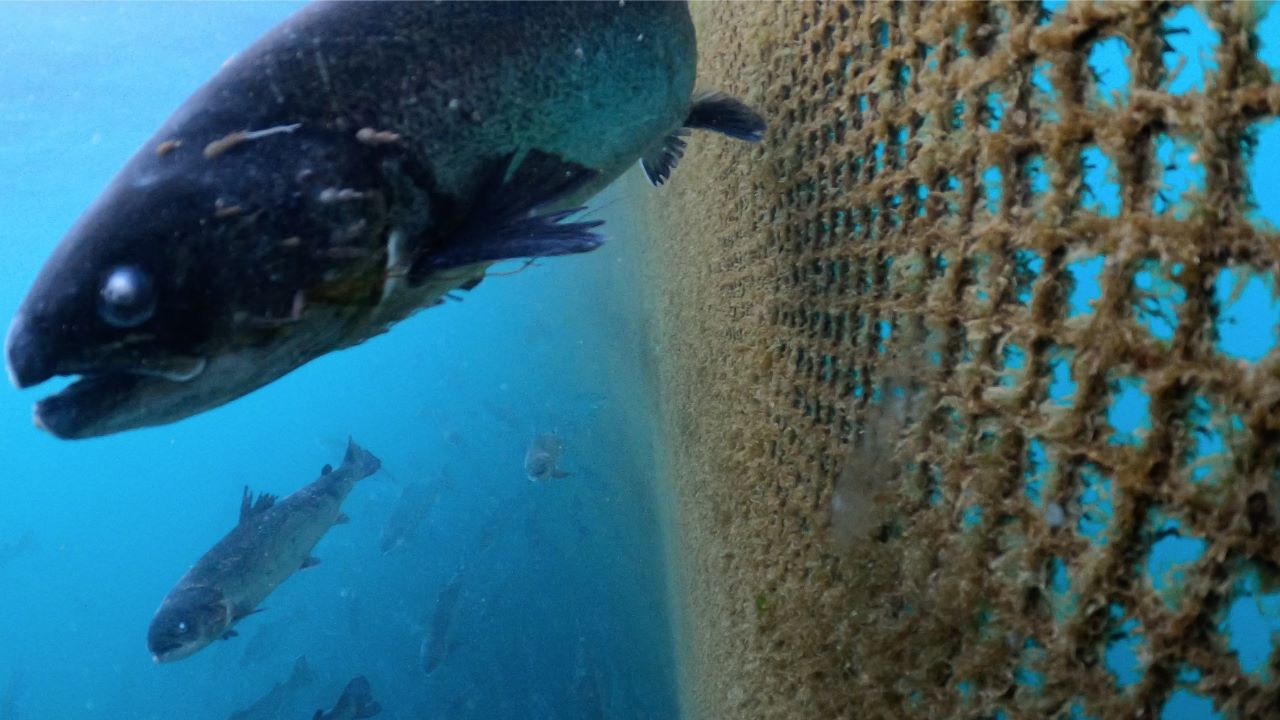
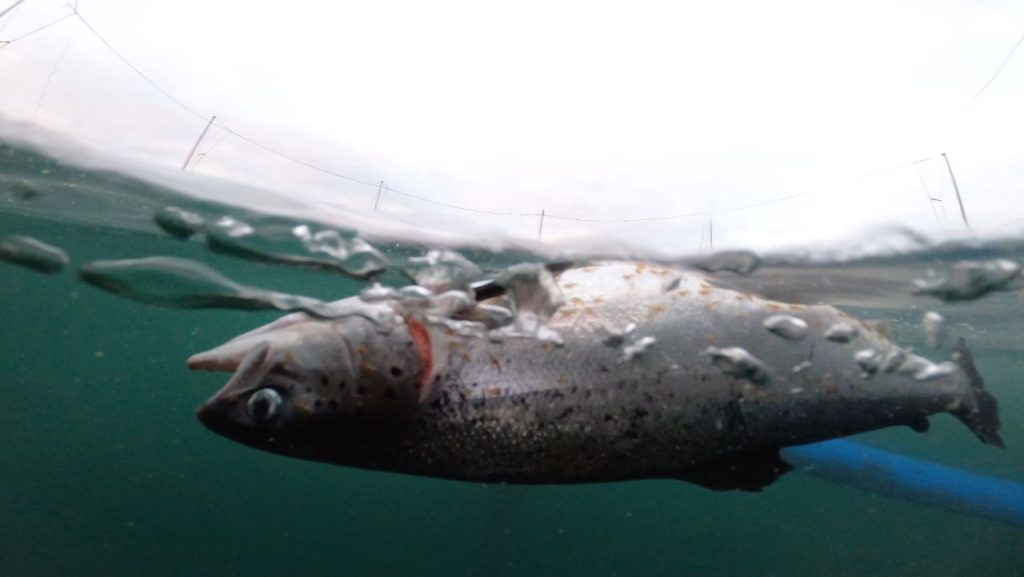
Between 0.5 and 1.2 billion fish are farmed every year in the EU. To maximize profit, fish are commonly reared at high stocking densities and are often killed inhumanely without prior stunning, causing tremendous suffering. Farmed fish have strikingly high mortality rates and many die before slaughter.
Intensive fish farming is also harmful to the environment by polluting with fish wastes and chemicals, causing biodiversity loss, disease outbreaks and overuse of antibiotics. Farming carnivorous species, such as shrimp, salmon and trout, has major environmental impacts and requires feed made from fish that could be used for human consumption, such as anchovy or sardines.
On 5 December, a petition calling for new standards to protect the welfare of farmed fish signed by more than 150,000 people was handed in to the European Commission by Compassion in World Farming.
The new report will be launched on 24 January, from 13:00 until 14:30, during a roundtable event in the European Parliament in Brussels, room Spinelli 1E3. The event is hosted by MEPs Francisco Guerreiro (Portugal, Greens/EFA) and Anja Hazekamp (The Netherlands, The Left) and will also include presentations by other experts in the sector.