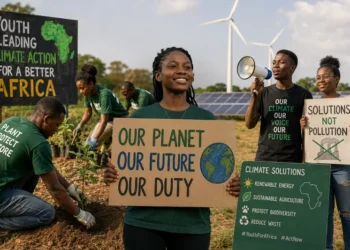
African women play a crucial and multifaceted role in conservation efforts spanning from community involvement to leadership roles, each contributing to the overall success of conservation initiatives. GreeningAfrika looks at some key aspects of the role of African women in conservation.
Community Engagement and Education
African women often serve as important educators and communicators within their communities. They help raise awareness about the importance of protecting natural resources, wildlife and ecosystems. Through their close ties to local communities, women can effectively convey the significance of conservation practices in ways that resonate with people’s daily lives.
Sustainable Resource Management
Women frequently take on responsibilities related to resource management, including water, land and forests. They have traditional knowledge and practices that contribute to sustainable use and management of these resources. Their involvement helps ensure that these resources are conserved for future generations.
Biodiversity Preservation
Many African women are engaged in activities directly contributing to biodiversity preservation. This includes activities such seed saving, traditional farming practices and herbal medicine preparation, all which collectively support the conservation of native plant species.
Wildlife Protection
Women are also involved in wildlife protection efforts. They participate in anti-poaching patrols, monitor wildlife populations and support the rehabilitation of injured or orphaned animals. Their presence assists in addressing challenges such as poaching and habitat destruction.
Economic Empowerment
Conservation initiatives often intersect with economic opportunities such as ecotourism and sustainable agriculture. African women contribute to these economic endeavours by providing services, producing handicrafts and participating in small-scale enterprises aligning with conservation goals. These activities improve their economic status while promoting conservation.
Advocacy and Leadership
Many African women hold leadership positions in conservation organisations and community groups. They advocate for policy changes, influence decision-making processes and provide a gender-inclusive perspective on conservation strategies. Women’s leadership ensures conservation efforts are well-rounded and responsive to the needs of diverse stakeholders.
Climate Change Resilience
Climate change disproportionately affects marginalised communities and women are often at the forefront of adapting to its impacts. Their knowledge of traditional practices such as water management and crop diversification, contributes to building resilience against these challenges.
Cultural and Spiritual Connection
African women often have deep cultural and spiritual connections to the land and its resources. Their perspectives on conservation are rooted in these connections and they play a vital role in passing down traditional values emphasising the importance of living in harmony with nature.
Efforts to involve and empower African women in conservation are vital for achieving long-term sustainable development and effective conservation outcomes. Recognising and supporting their contributions can lead to more holistic and impactful conservation strategies benefitting both people and the environment.