

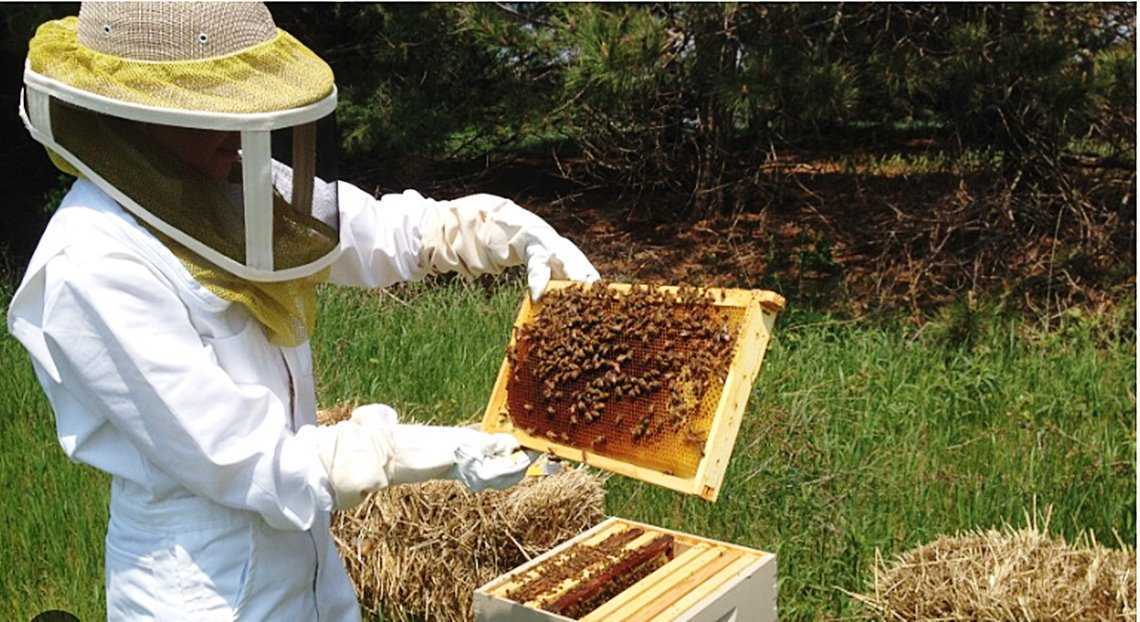
Pauline Otila’s name is synonymous with apiculture (bee farming). Known as “the Queen Bee,” this entrepreneur and former auditor, is using beekeeping as a driver for socio-economic and self-reliance in the impoverished ASALS region. She also uses it as a job creation initiative and developmental tool to uplift small scale bee farmers in Kenyan communities. Apiculture Venture Limited (AVL) was established in 2018 to accomplish her mission.
Breaking male dominance
Starting her own enterprise represented a major success in an industry mostly dominated by men. Not only is she passionate about this project, but has also amassed 18 year’s working experience and business acumen. Pauline currently employs 19 full-time and seven part-time locals.
Nutritious and high quality food
One of the key elements of her venture is an initiative “Modern Beekeeping for Improved Livelihoods” of which the aim is to empower households and educate communities to be self-sufficient and grow their own food. Bee farming provides honey which contains the nutritious and high quality royal jelly and pollen. AVL also offers support in logistical, operational, marketing and financial management to smallholder rural bee farmer to produce and process and sell their own honey and other beehive products.
Employment opportunities
Through AVL, Otila has created jobs and opportunities for the locals. Bees wax is a highly valued in many industries ranging from cosmetics to pharmaceutical industries. In addition, AVL also offers the following:
- manufacture and supply of high-quality modern beehives and beekeeping accessories for distribution in rural farming communities;
- provide apiary set-up and site management services;
- provide intensive modern beekeeping training and service extension to groups of both subsistence and commercial farmers;
- offer pollination services to help farmers boost their yields;
- buy the honey produced by farmers at fair market prices and harvesting, extraction, processing, packaging and
- distribute natural beehive products.
Raw honey and wax
At her factory’s premises in Nairobi, AVL filters raw honey and wax. Under the “Golden Beehive Products” brand it also packages and markets pure organic honey and other value-added hive products. These include among other edibles honey chocolates, creamed and medicinal honey, flavoured honey, pollen and propolis, a natural resinous product collected by bees from various plants and mixed with beeswax and salivary enzymes. Non-edibles include raw beeswax blocks, hand and body jelly, lip balms, wax-strips, wax-sheets and candles.
Otila says what inspired her to start AVL was to challenge the dominance of males in the industry but more importantly, she wanted to transform the smallholder farming community. She says she witnessed small farmers producing high quality honey yet earning very little money and this motivated her to change their situation for the better.
She adds she wanted to start a company that would work with such farmers, understand their circumstance and ensure they earn a decent income. This includes availing her company’s resources and equipment as well as leveraging her access to training in modern beekeeping, adding that she is pleased and amazed at how many lives she has been able to transform through AVL.
Becoming a renowned commercial entity
Through “Modern Beekeeping for Improved Livelihood”, Otila trains and create awareness about modern beekeeping, providing modern beehives, beekeeping and honey processing equipment, technical support through mentorship and other services. She also provides a ready market for the various hive products through a buyback model, adding that to date she has directly supported more than 1800 households, 65 % of which are women.
Her wish is to see more women getting involved in beekeeping as part of promoting food self-sufficiency. She also says she wants AVL to become the largest commercial beekeeping facility and honey producer in East and central Africa and is working towards establishing a fully modernised and equipped hive product factory.





