Importance of Wetlands in South Africa
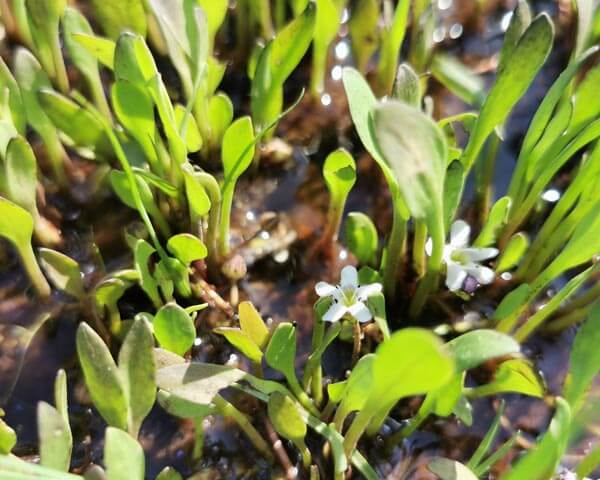
Wetlands are unique ecosystems and crucial components of our natural environment, offering a wide range of ecological, economic and societal benefits. These often underappreciated habitats play a significant role in maintaining the overall health and balance of our planet. In this analysis, we will explore the importance of wetlands in South Africa and the multifaceted benefits they provide as one of the most biologically diverse ecosystems on Earth.
Ecological Significance
Biodiversity Hotspots
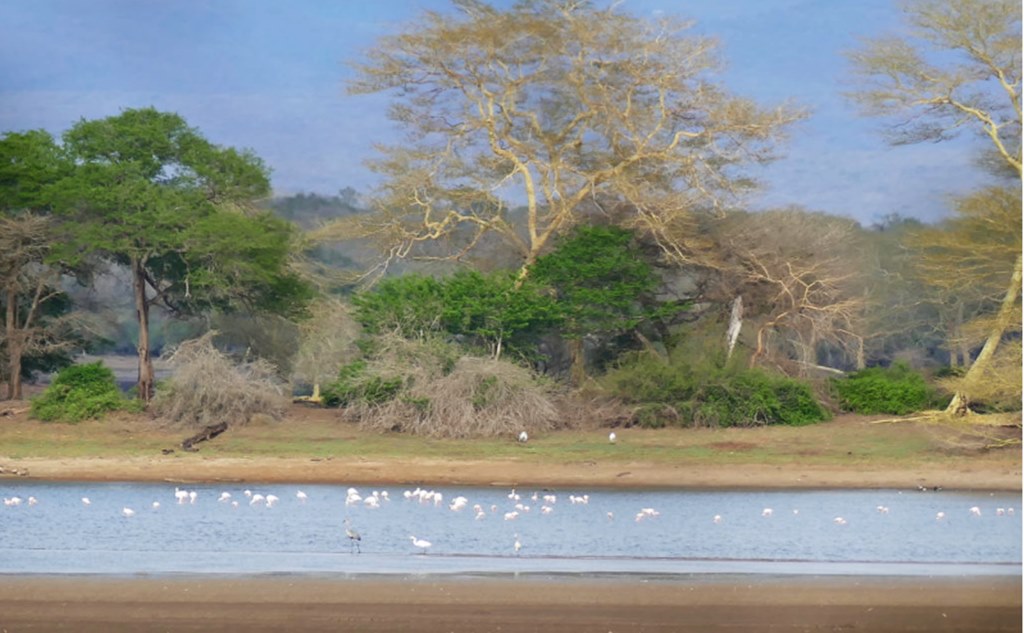
Wetlands support a rich variety of plant and animal species, many of which are specially adapted to the unique conditions of wetlands in South Africa. These ecosystems serve as breeding grounds and habitats for numerous species, including endangered and migratory birds, amphibians and aquatic plants.
Water Quality Regulation
Wetlands act as natural filters for water. They trap sediments and pollutants improving water quality and also helps protect downstream ecosystems and human communities from flooding and water contamination.
Carbon Sequestration
Wetlands store vast amounts of carbon in their soils and vegetation, playing a vital role in climate change mitigation. They are often referred to as “carbon sinks” because they absorb and store significant amounts of carbon dioxide, thus helping to reduce greenhouse gas concentrations in the atmosphere.
Economic Benefits
Flood Control
These marshy fens act as natural sponges during periods of heavy rainfall or storms, absorbing excess water and reducing the risk of flooding in nearby areas. This service saves billions in flood damage annually and provides protection to both urban and rural communities.
Fisheries Wetlands support fisheries by providing essential breeding and nursery habitats for many commercially valuable fish species. They contribute to the livelihoods of millions of people worldwide by sustaining fish populations and supporting the fishing industry.
Recreation and Tourism
Wetlands in South Africa offer a range of recreational activities, such as bird watching, hiking, and kayaking, making them valuable assets for local economies. Tourists are drawn to wetland areas for their natural beauty and the opportunity to observe unique wildlife.
Societal Benefits
Water Supply
Wetlands can act as natural reservoirs, storing water during wet periods and gradually releasing it during dry spells. This function is crucial for maintaining a stable and reliable water supply for both rural and urban areas.
Aesthetic and Cultural Value
Wetlands in South Africa have cultural and aesthetic significance, often of spiritual and historical value for local communities. They can be sources of inspiration and cultural connection, enriching the lives of nearby residents. The peace it offers as a way out of the daily grind is unsurpassed.
Education and Research
These peaceful bogs serve as living laboratories for researchers and students. Their complex ecosystems provide valuable insights into natural processes, offering opportunities for ecological and environmental research to drive conservation efforts.
In conclusion, wetlands are invaluable ecosystems with far-reaching benefits for the environment, economy and society. Their unique ecological functions, including biodiversity support, water quality regulation, and carbon sequestration, are essential for the health of our planet. Moreover, the economic advantages, such as flood control and fisheries, contribute significantly to the well-being of all the Earth’s denizens. Society benefits from wetlands in numerous ways, from water supply to cultural enrichment. Protecting and restoring these ecosystems is essential for sustainable development and the preservation of our planet’s biodiversity and natural resources.
——————————–
South Africa has 23 designated Ramsar Sites (Wetlands of international importance) Gateway featured some of them and we share it with out readers.
The Blesbokspruit wetland system
This is a high-altitude Ramsar site of global significance, the largest permanent wetland in the Highveld region of SA and the only Ramsar Site in Gauteng. The biggest attraction is the Marievale Bird Sanctuary, where one can see a wide range of birdlife as well as smaller mammals such as the Yellow Mongoose.
The Bird Sanctuary features up to 250 identified bird species, several of them listed in the South African Red Data Book of Birds. One can spot African spoonbills, yellow-billed ducks and goliath herons.
De Mond Nature Reserve
This World Heritage Site between Arniston and Struisbaai in the Western Cape is home to the Heuningnes Estuary, the smallest Ramsar wetland in South Africa, an important nursery for the Damara tern. 180 bird species have been listed in the area and includes the 7km Sterna trail, which winds through the through riverine vegetation and a dune forest before following the coast to the river mouth and saltmarshes.
Makuleke Wetlands
Most of Makuleke lies within the Kruger National Park and forms the border of South Africa, Zimbabwe and Mozambique along the Limpopo River. There are 31 scattered pans and other wetland types that makeup Makuleke. It was the first Ramsar Site to be owned and co-managed by a community, not only in South Africa but worldwide. Game is plentiful and buffalo, nyala and bushbuck are common in the area.
The region is not accessible to general tourists. The only way to see this part of the park is as a guest of one of the three concession holders operating in the region. This arrangement is the result of the land claim settlement with the Makuleke community.
Want to read more about our wetlands?

The Importance of Wetland Restoration
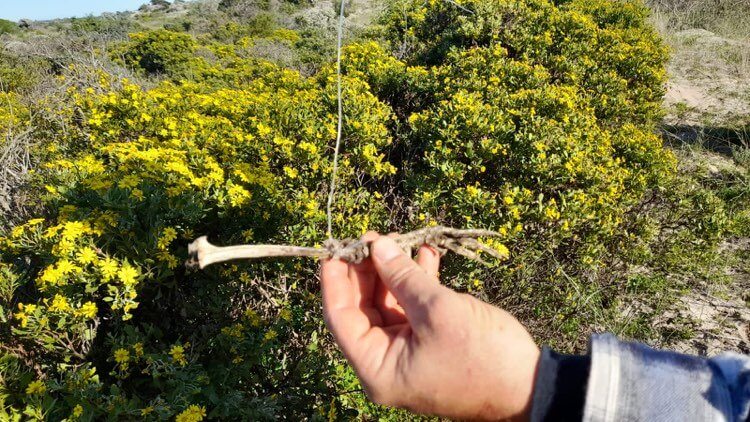
Snares killing Noordhoek Wetland wildlife