
Alex Rose-Innes
WHO would have thought that innovative lifestyle products could be fashioned in the small town of Graaff-Reinet in the arid Karoo in South Africa?
Enter Tessa O’Halloran with the distinctive Irish surname whose vision and creativity put this little town on the map. Thinking way outside the box, this enterprising young girl saw opportunity where others only saw plastic waste.
Three years ago, her company specialising in lifestyle products, plasticity, came into being, transforming the way the public would in future think about recycling. With her mom and younger sister working together as a team, beautiful bespoke and artistic vanity, clutch and hanging planter bags saw the light.
Sourcing natural material from various local and national sources, Tessa’s dream of creating functional articles from plastic waste had a positive impact on the environment and created a community built on a circular economy. Nothing goes to waste and what cannot be used in the fashionable products, become eco bricks. Off-cuts from organic hemp used in the products become paper products or part of compost.
Plastic is bought from a Graaff-Reinet recycling company and donations from the community are the basic products from which a sustainable and environmentally conscious enterprise had grown. In the small studio where the three women ply their craft, only natural products are used in such a way that no harm is done to the environment. Other natural products used include hemp, mielie mailer courier sleeves, cotton twine and brown paper bags which are all re-usable. Tessa mixes and matches natural plastic colours for her lovely designs, each one totally unique as it is handcrafted.
According to Tessa, she had always been environmentally conscious and from a young age wanted to create a cleaner and greener planet. And she did just that, creating a sustainable income for herself and providing an outlet for the large amount of plastic waste even a small town such as Graaff-Reinet creates.
The original range of small planter bags had grown into various other products such as cosmetics bags, pouches of all sizes and toiletry bags.
The name of her unique business concept plasticity was inspired by the biological definition of the word, meaning the adaptability of an organism to change in its environment or differences between its various habitats.
The team has now grown to include to full-time workers, working hand-in-hand with the mom and her two daughters with Tessa at the helm. Between the few of them 200 kilogram of discarded plastic is put to good use instead of ending up in a landfill. In the meantime, Tessa had roped in her grandmother and hopes to provide more jobs for the people of this small Eastern Cape town.
Tessa wants other young women to be able to financially provide for themselves, care for the future of the environment and to dream big. Her aim is to provide dignity and freedom to women and she believes that in due time, plasticity would not only make an environmental, but also a social impact. She advises other young women who wish to become entrepreneurs to never give up on their dreams and to stick to it, even when the going gets tough.
Handbags are now part of the plasticity product line and Tessa is already making plans to venture into using other discarded waste. As a huge fan of organic hemp, she had started on producing naturally-dyed organic tea towels and is already designing more kitchen and lifestyle textiles.
To contact Tessa, email her on plasticityplastic@gmail.com.
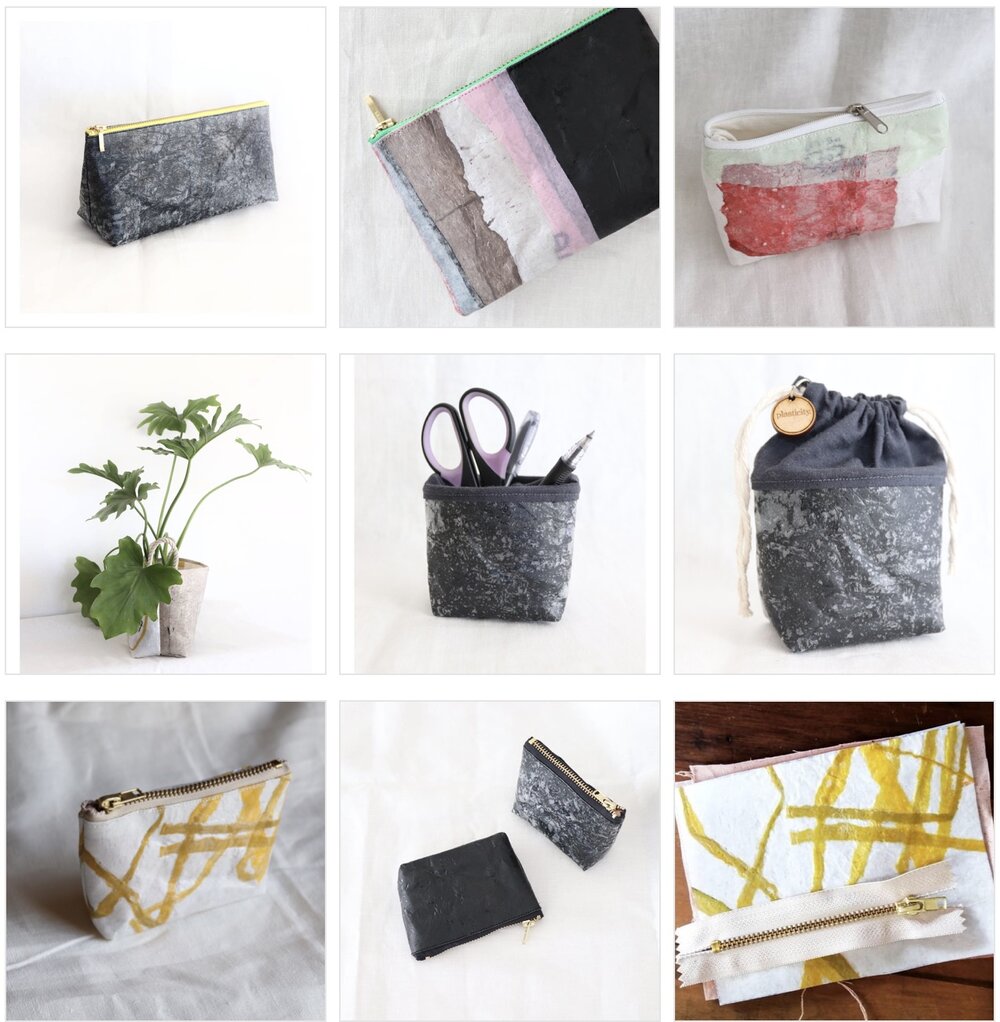
Caption: The various bespoke articles from discarded plastic waste (Images: Lionesses Den.)