
Alex Rose-Innes
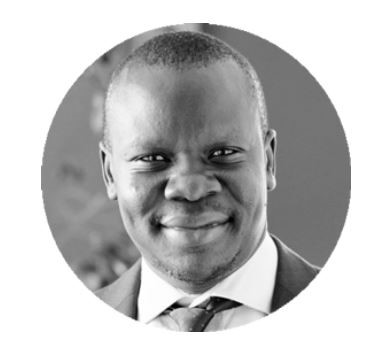
Dr Mao Amis, founding director of the African Centre for a Green Economy (*AfriCGE) and Adjunct Associate Professor at the Graduate School of Business, University of Cape Town, gives his insights on water scarcity and water management on the African continent.
As a greening expert, Amis is well acquainted with the unpredictability of water resources and especially in South Africa (SA), where the demand for water exceeds natural resources and supply.
With the continental variable rainfall and extreme weather conditions, Amis is well aware that this resource is not equally distributed. Urbanites rely on expensive infrastructure to move water across sometimes vast areas and with old and poorly managed plants, drastic water rationing during droughts and flash floods, reports from various sources had already shown that the country was in serious need of upgrading its resources and that the way forward would have to be without the current negative high environmental impact.
Amis said that most water professionals had been lost to the private sector, leaving management of this scarce resource in the hands of those with a marginal understanding of capacity. The country also suffers from inadequate engineering skills, which, he maintains, is key for infrastructure development.
*AfriCGE conducted a study aimed at developing understanding on the perceived challenges and constraints faced by the private sector, preventing the industry from harnessing water and sanitation investments in South Africa (SA).
The study found that significant investment opportunities existed in the country. However, a total of R700 billion is needed to overhaul the water industry in SA. With investors focusing on new infrastructure projects, Amis said that these were considered a better option as it would be guaranteed by the public sector. The government itself is to blame for this perception due to the lack of capacity at local and national level and under spending of allocated funds.
The private sector, to which the SA government is looking more and more, had become risk averse to invest in the water sector, Amis said. The study showed that more innovative funding mechanisms were needed to unlock investment as private-public-partnerships (PPP’s), had not yielded the expected and positive, sustainable outcomes.
Amis, together with a group of highly educated greening experts at AfriCGE also proved in their report that the political landscape in SA had not evolved far enough to allow the private sector to confidently partner with government.
These water experts also showed that the absence of an Independent Regulator was a considerable barrier to unlocking private sector investments and called for the establishment of an independent regulator to bolster private sector confidence in investing in water infrastructure

*AfriCGE is a non-profit think tank and capacity building organisation based in South Africa. Prior to founding AfricCGE, Dr Amis worked as programme manager for two leading global environmental and consultancy firms in South Africa. He pioneered the African Centre for a Green Economy in 2012.