

Alex Rose-Innes
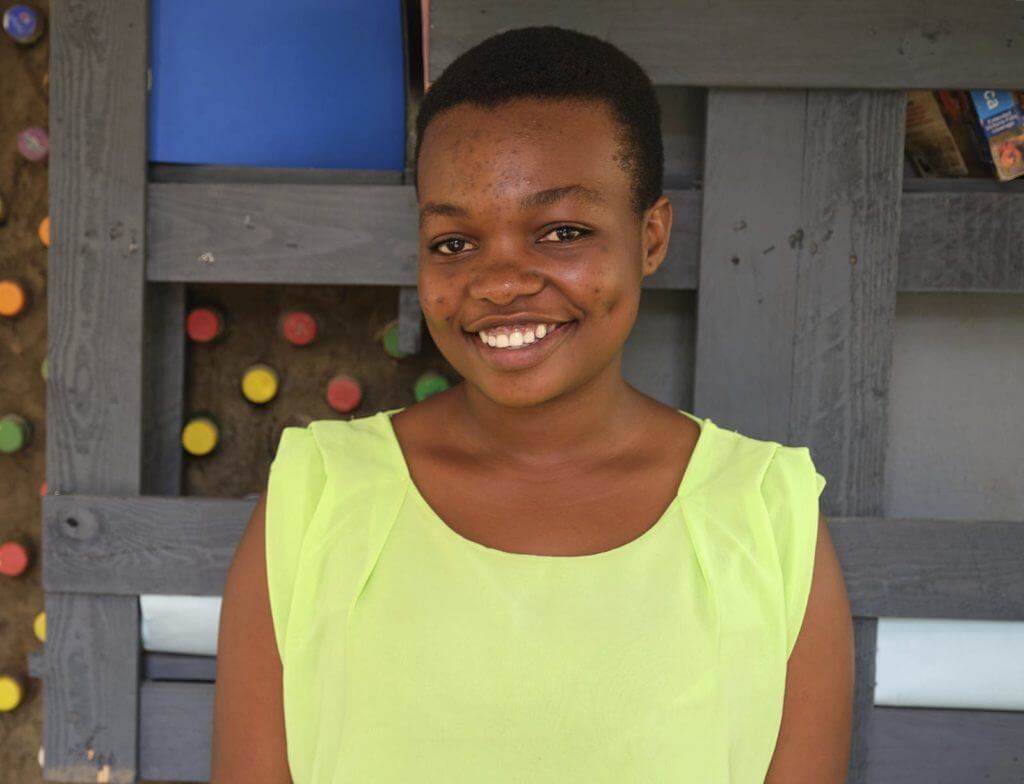
When Birungi Saudah’s young brother contracted cholera and died, Tusafishe was born. With both Birungi and her mother, also weakened by the disease as a result of contaminated water, she left school and decided to create a world where everyone had access to safe drinking water.
With the main focus of Tusafishe on rural communities and schools without clean water and electricity in Uganda on the African continent, the company also embarked on training students and women and providing work to the jobless and poor.
Tusafishe started in Mpigi in Uganda, but today this business, which won the 2019 SEED Low Carbon Award for water, sanitation and health, played a major role in resolving the water crisis in areas where it had been difficult to purify high volumes of water. Birungi also won the International Anzisha Prize the same year.
With 60% of the Ugandan population reliant on wood for boiling water to purify it, Tusafishe’s climate changing endeavour now also includes addressing deforestation by planting 20 moringa trees for every water filter the company produces, providing an alternative to the burning of solid fuels to combat climate change. The seeds of the moringa tree are used in the filters.
Producing low-cost water filters, the company’s customers are provided with flexible financial assistance to obtain the filters, have it installed and receive training on the eco-inclusive impacts of the products.
The spread of water-borne diseases in the country had seen a major drop and student health had hugely improved as had school attendance. The lower costs of the water filters also ensured schools could save more than $14 000 per year.
Today, Tusafishe had already built highly successful 50, large filters for 50 schools in Uganda, providing safe drinking water to more than 50 000 students and trained hundreds of women to install these filters in their homes and provided a sustainable income stream for them as well.
The eco-friendly system had reduced 10 tonnes of carbon emissions at every school it installed the Tusafishe system and families are saving almost $500 dollars per household per year, money used to obtain expensive medical treatment for waterborne diseases.
The team at Tusafishe had grown from only Birungi Saudah and her mom to eight permanent employees and continues to train young people to increase employment opportunities and provide sustainable income options while making the world a cleaner and safer place.