

Alex Rose-Innes
If the South African (SA) government and Plastics SA do not up their ante, the country could face “pariah status” in the eyes of the rest of the world.
This is the opinion of a senior policy analyst at the World Wide Fund For Nature South Africa (WWF-SA) after a leaked report published by the prestigious Mall & Guardian (M&H), showed clearly that the local plastic industry and SA government do not support a new multilateral environmental agreement (MEA) on plastics.
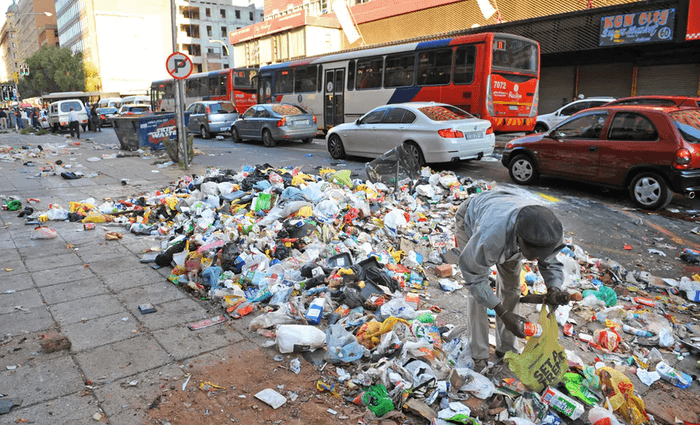
According to the WWF analyst, Prabhat Upadhyaya, SA refuses to support this new multilateral environmental agreement with regards to the future negative impacts of plastic, marine plastic litter and micro beads. The MEA, even in its draft form, had already been accepted by global plastic treaty states. Upadhyaya said national and international regulations should not only provide incentives, but also penalties to force behaviour to save the plant.
The leaked confidential document, published by M&G, revealed that SA is the 11th-worst global offender for leaking land-based plastic into the ocean. It is estimated that 79 000 tonnes of plastic leak into the ocean and main rivers annually, 3% of the country’s annual plastic waste.
The MEA had been prepared for a global ministerial conference in September, a conference jointly organised by Ghana, Vietnam, Ecuador and Germany in an effort to increase momentum and political will towards a global strategy to end marine litter and plastic pollution. To date, a mere 9% of all hazardous waste (plastic) created from 1950 and 2021, had been recycled.
The Basel Convention, responsible for control of the trans-boundary movement of hazardous wastes, said the draft MEA was ideal to deal with plastic waste issues. At the Stockholm Convention on Persistent Organic Pollutants, the toxic chemicals found in plastics, had been previously listed and also provided technical guidelines on environmental sound management.
Business Unity South Africa, the department of trade, industry and competition and Plastics SA were consulted as part of the draft, which is hailed as an industry-driven publication. Plastics SA did not even afford the M&G the courtesy of replying to its questions.
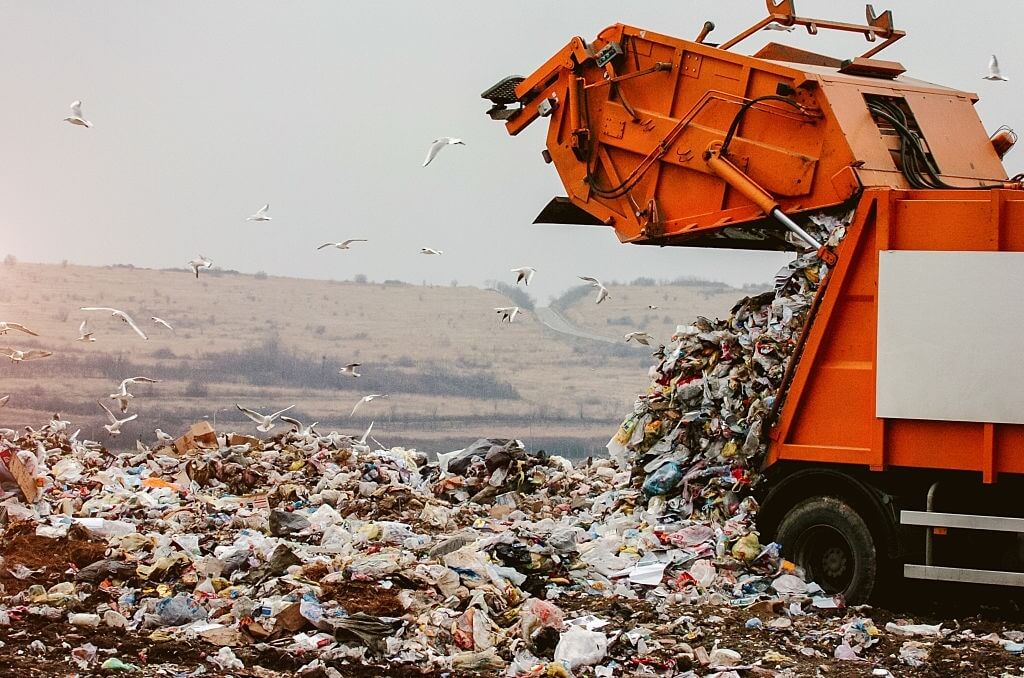
Experts estimate that over the one to two decades, global plastic production would surge and possibly even double. Analysts say that current tools would not be able to adequately address marine plastic litter and micro-plastics.
The SA government argued that the draft treaty is but a duplication of efforts and said existing MEA’s could deal with the problem. But, according to Albe Modise, spokesperson for the department of forestry, fisheries and the environment (DFFE), the document was still in draft form. He also in his reply made much of the fact that SA had already put in place measures to deal with plastic waste.
Angelo Louw, Greenpeace Africa’s pan-African plastic project lead, was quoted in M&G: “One of the scariest realisations in the (leaked) document is that our government is considering importing plastic waste despite global outrage against using other countries as dumping sites.” Modise said the import and export of plastic waste in South Africa was handled through the Basel Convention, but the rest of the world, intent on creating a more environmentally friendly earth for the future, would not be fooled and would agree with various climate change organisations that SA was “digging and early grave for its citizens.”
The United Nations (UN) had found that communities involved in the production, consumption and disposal of plastic suffered from a much higher incidence of terminal illnesses. Continued scientific data proves that most of those at risk would be underprivileged communities comprised mostly of people of colour.
SA and Plastics SA (see note below) would be remembered not for ensuring a greener environment for future generations, but for putting those at risk, which is a direct violation of basic human rights.
Note: While researching the stance of the organisation on marine plastics and micro beads, the writer of this article found that Plastics SA had posted a sign “Potentially Unwanted Content Found” on its site and no information could be obtained.