
China outlaws use of endangered pangolin
Former ivory smugglers turn to pangolin with Africa as main supplier
Alex Rose-Innes
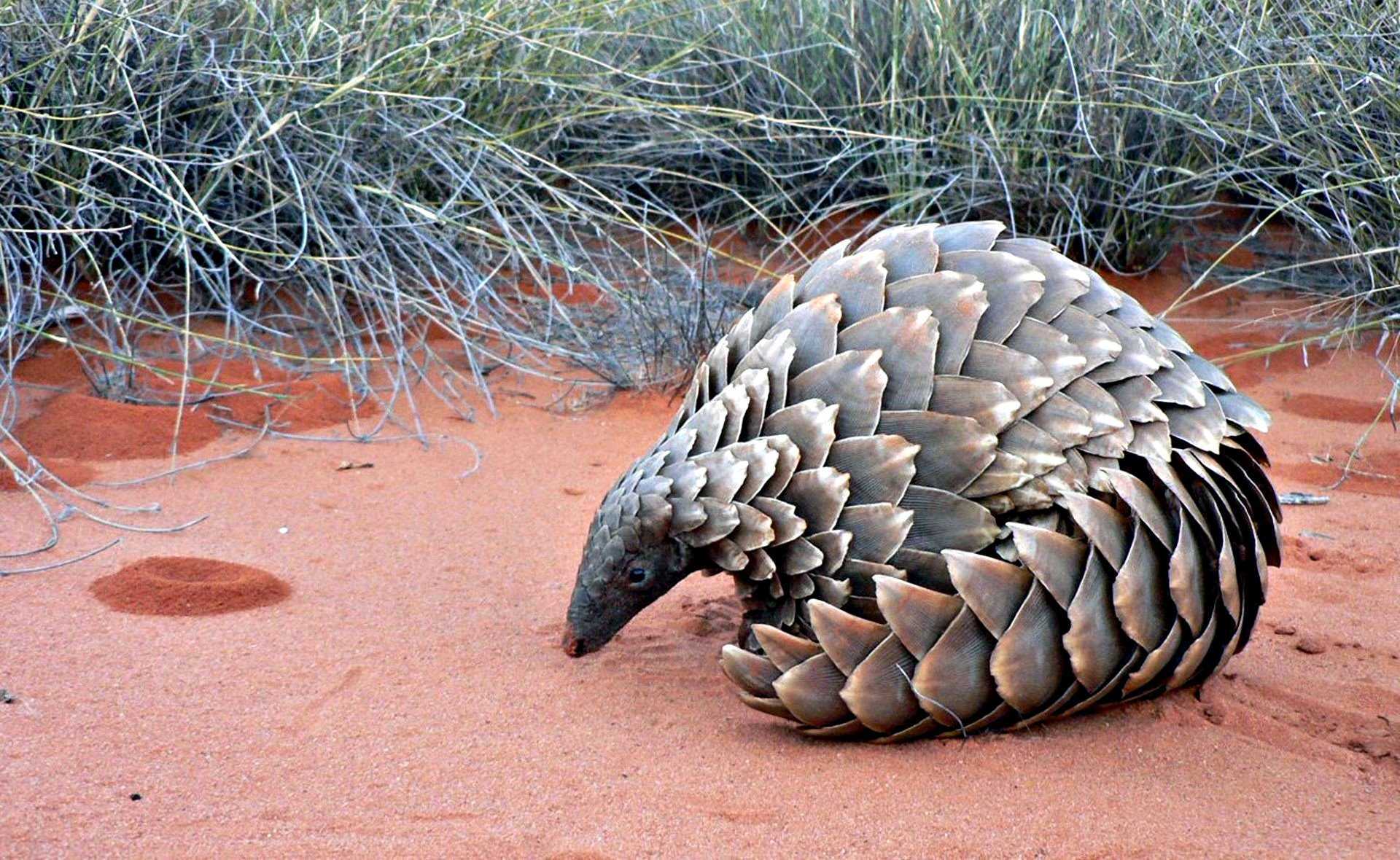
CHINA, the world’s largest consumer of endangered pangolin products for traditional medicine, had outlawed the use and afforded the species the same highest protection status as pandas. The new law would come into immediate effect. It had been speculated that the selling of pangolin at “wet markets” in China could have been an intermediate host in spreading COVID-19. Researchers at South China Agricultural University said the pangolin could be an intermediary host for the virus, but as their findings had not been published yet, this cannot be confirmed as the animal from which the virus jumped to humans. It is, however, a working theory and it put increasing scrutiny on China and Vietnam’s consumption of pangolins and the massive illegal trade in the species.
In an interview with National Geographic, Sarah Stoner, director of intelligence at the Wildlife Justice Commission (WJC), said “The level at which pangolins are being trafficked is huge compared to what it has been in the past, it is on a completely different level.” The WJC is an organisation involved in putting a halt to illegal wildlife trade.
Pangolin scales fetch more than $3,000/kg on the black market. In traditional Chinese medicine (TCM), the scales are used for a variety of purposes. It is also used as a luxury food in Vietnam and China. In Africa, pangolins are sold as a form of bush meat, for ritual or spiritual purposes and used in traditional African medicine.
The World Wildlife Fund (WWF) estimated that as many as 195,000 pangolins were trafficked in 2019 for their meat and scales, a trade larger than for any other mammal. The WWF also said that populations of Asian pangolins had declined by 80% during the last decade. Chinese, Malay and Philippine pangolins had been classed as critically endangered. This despite that pangolin trafficking was outlawed across the world in 2017.
Pangolins are believed to be the world’s most trafficked mammal, accounting for as much as 20% of all illegal wildlife trade.
Illegal pangolin trade had been the highest of any other endangered animal, but activists are hopeful that the new legislature would turn the tide for these unique animals. China had been instrumental in almost decimating the worldwide population of this wild animal which is also found in Africa. It is said that the eating of dogs would also soon be outlawed in China.
An analysis by the WJC showed that in just four years, crime 228 tons of pangolin scales had been seized. Most of these shipments were part of huge networks of international smugglers. It is approximated that 228 tons of pangolin scales would mean that tens of thousands of these animals had been killed. But this is said to be just the tip of the iceberg and that the illegal trade is much bigger.
Stoner’s team found that shipments containing both ivory and pangolin scales doubled in number and tripled in volume between 2017 and 2018. After China banned its domestic ivory trade two years ago and with the plummeting price of ivory, the JWC said it suspected that wildlife criminals who formerly concentrated on ivory were now exploiting pangolin scales to maintain profit margins.
The WJC identified 27 countries and territories involved as sources, transits or destinations for pangolin scale shipments. Six places in particular were linked to 94% of the overall contraband: China, Hong Kong, Vietnam, Singapore, Nigeria and the Democratic Republic of Congo. The supply side of the trade had largely shifted to Africa.
The team found that Nigeria in particular had become a global pangolin scale export hub, accounting for 55% of seizures from 2016 to 2019. On the demand side, China was the primary destination until 2018, when Vietnam took the lead. Links between criminal networks in Nigeria and Vietnam also seem to be strengthening, with a direct trafficking route between the two countries first appearing in May 2018 and continuing since then.
“Wildlife trade is truly global, and it’s a dynamic process,” said Vincent Nijman, a wildlife trade researcher at Oxford Brookes University in the United Kingdom, who was not involved with the new report. Until demand for pangolins and their parts were curtailed, Nijman said that as long as there was money profit to be made, traffickers would continue to find ways to meet the demand.
Medicinal uses of pangolin scales include almost 500 prescriptions in traditional Chinese medicine. It is believed to cure anorexia, sores, and skin infections to treating infertility in women and promoting lactation. No credible scientific proof for these claims exists.
Especially in Sierra Leone in Africa, pangolin products including scales, meat, blood, intestines and claws are used in witchcraft and other forms of spiritual protection.
(Source: WJC/National Geographic)