Alex Rose-Innes
Africa is developing an integrated assessment model illustrating how the continent can achieve key development goals, provide clean air for its people and help the global fight against pollution, climate change and ecosystem degradation. The assessment, the first of its kind for Africa, will support evidence-based policy across the continent to underpin effective continental action.
The Africa Integrated Assessment of Air Pollution and Climate Change is led by the Climate and Clean Air Coalition (CCAC) in partnership with the African Union Commission (AUC), UN Environment Programme (UNEP) and the Stockholm Environment Institute (SEI). It brings together scientists, policy leaders and practitioners working across Africa, to discuss the continent’s rapid development and associated air pollution challenges and climate risks.
The assessment will drive decision making for sustainable economic and social development on the African continent and highlight solutions and benefits from improved air quality for health, agriculture, the environment and forestry; along with the simultaneous potential to limit climate change and promote adaptation. It will also highlight capacity development and spur towards reducing emissions from key sectors of the economy. This development is a priority for Africa to achieve the Africa we want, as outlined in the African Union’s Agenda 2063, regarding African health as the most important goal.
According to Helena Molin Valdes, former head of the CCAC Secretariat, this assessment is hugely important as it identifies development priorities and actions to reduce high levels of air pollution within the next decade while simultaneously reducing climate forcing emissions in line with global commitments and the Paris Agreement.
The assessment would especially focus on short-lived climate pollutants (SLCP’s). These are air pollutants with atmospheric lifespans lasting from a few days to almost a decade. SLCP’s warm the atmosphere and their mitigation plays an important role in slowing global warming. Strategies to reduce emissions of other air pollutants and long-lived greenhouse gases would feature high on the agenda.
The data and capacity challenges
Two of the biggest issues for African countries are lack of air pollution emission data and inadequate capacity for enforcing and enabling compliance with air pollution management policies, regulations and standards. Data is needed to plan policies for reducing air pollution and deliver national development priorities and climate goals. This assessment aims to fill these gaps and increase local knowledge and institutional capacity to enable African governments to integrate and implement air pollution and climate change policies in national development plans.
This ground-breaking assessment is part of a goal to build communities of practice among African scientists, policymakers and practitioners in order to amplify the role and potential of emission mitigation strategies supporting sustainable development in Africa.
Harsen Nyambe, Head of Environment, Climate Change, Water and Land Management at the AUC said it would support implementation of the results. He also underlined the importance of including the assessment results in national curricula to prepare younger generations for the changes ahead.
Internationally recognised scientists from African institutions and global science organisations will produce this assessment document under guidance of three co-chairs: Alice Akinyi Kaudia, former Environment Secretary at the Ministry of Environment and Forestry, Kenya; Youba Sokona, Vice-Chair of the Intergovernmental Panel on Climate Change (IPCC) and Brian Mantlana, Impact Area Manager: Holistic Climate Change, Smart Places Cluster, Council for Scientific and Industrial Research (CSIR). The co-chairs are responsible for the strategic decisions in the assessment process.
Addressing inequalities of air pollution and climate change
In the face of growing inequality in pollution, too many air pollution-related deaths occur in Africa. The continent however lacks accurate timely information hindering progress in mitigating these. Dr Juliette Biao Koudenoukpo, Director and Regional Representative of the Africa Office at UNEP said to fill this gap, creating awareness should be of utmost importance.
African policymakers acknowledged the urgency for this assessment. It was also agreed upon by the African Ministerial Conference on Environment (AMCEN), acknowledging the importance of SLCP’s and the need for assessment of the linkage between policies to address air pollution and climate change in 2019, during its 17th Session in Durban, South Africa. Even earlier, during a similar AMCEN session in Egypt, ministers already called for enhanced air quality monitoring, modelling and the need to develop an African-wide air quality framework agreement on air quality management.
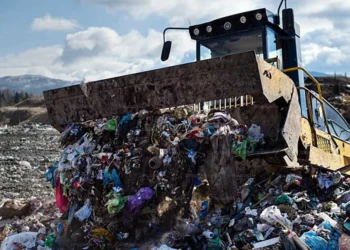
“Air pollution in all its forms endangers the quality of human life in many ways,” said Dr Alice Kaudia, one of the Co-Chairs of the assessment. “That millions of people suffer premature deaths due to air pollution signals the need for urgent action. In Africa, the situation is acute with the most vulnerable segment of Africa’s population, women and children, at higher risk of susceptibility to chronic respiratory diseases because of exposure to indoor air pollution arising from use of biomass fuels for cooking and paraffin for lighting. In addition, exposure to out-door air pollution from open burning of waste, especially plastics at open dumpsites and of agricultural residues worsens the situation. The Assessment is timely and the results will inform ecosystems restoration policies and strategic action for impactful change to development practices and investment decisions in Africa for global good.” This Assessment will be finalised this year and has encouraged gender balance and wide participation, especially from early career researchers. A series of internet-based consultative seminars are held to discuss modelling approaches, scenario development and target outputs with African stakeholders.