Forestry, Fisheries and the Environment Minister, Ms Barbara Creecy, kicked off the annual ‘Clean-Up and Recycle Week’ early in the week and called on all South Africans to be part of the initiative.
Although it is a week-long programme, its significance is timeless particularly in the context of the deteriorating problem of littering and illegal dumping in most local communities. These, according to the experts, have dire social, economic and environmental impact, and require intensification of community education about the need to recycle their waste.
The initiative is supported by the local industry and is endorsed by the various packaging and retail streams and retailers. According to the department of forestry, fisheries and the environment (DFFE), recycling of packaging and electrical and electronic products has seen a boost in 2022 following the historic legislated investment of Extended Producer Responsibility (EPR) by various producers.
Contributing to a cleaner environment
Minister Creecy said the EPR fees are currently being used to improve collection of recyclables, compensation of waste pickers and improve overall recycling. Various producers and Producer Responsibility Organisations, she added, have submitted interim waste recycling performance reports by the end of August 2022 on their recycling efforts against the 2022 targets. Said minister Creecy: “Litter is a serious problem in South Africa, and most of the littered waste materials can be recycled and thus diverted from landfill. By participating in clean-up and recycling activities in both our rural and urban communities, we are contributing to a cleaner environment that will contribute to a healthier society.”
Intensifying cleaning efforts
The department has launched R44.5 million worth of National Waste Collection and Landfill Management Fleet. The money is an intervention to address waste collection issues in un-serviced areas, illegal dumping and landfill operations in selected municipalities across all provinces, said the minister. The municipalities have also intensified cleaning efforts especially those that have benefitted from the Municipal Infrastructure Grant Policy reform through the purchasing of the necessary yellow fleet, added minister Creecy.
Mobilising volunteers
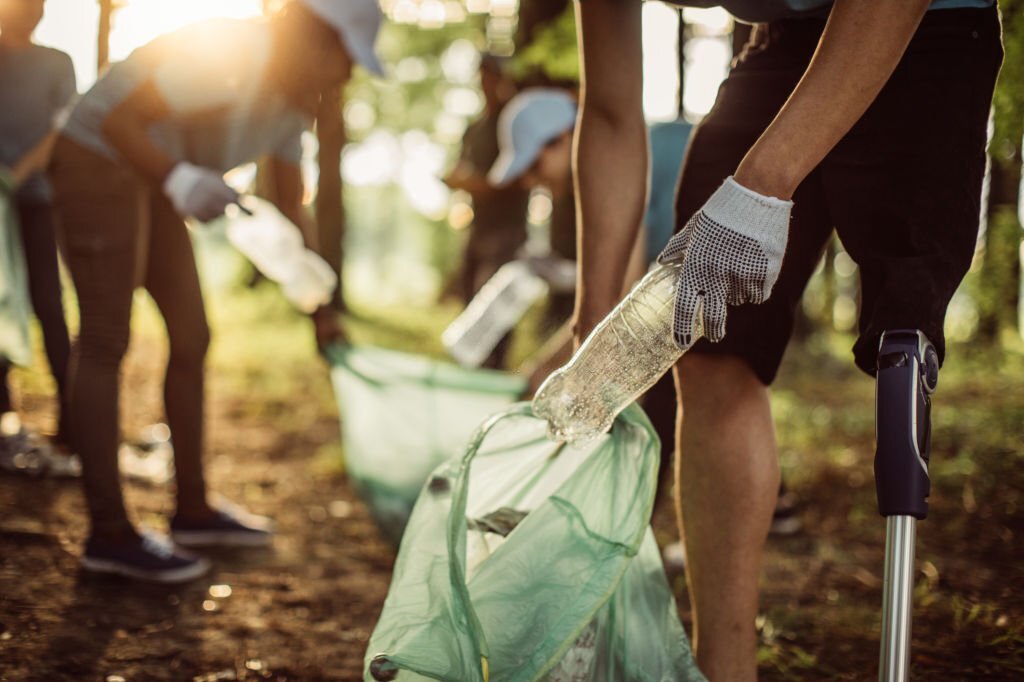
Every year, the department, municipalities including business mobilise close to 120 000 volunteers to take part in a varieties of clean-up activities. The activities target places along roadsides, rivers, schools, residential and illegal dumping sites. The initiative is supported by provincial governments, local municipalities, environmental organisations, businesses, schools and communities. This year, activities took place between 12 and 17 September. The activities were undertaken under the auspices of the ‘Good Green Deeds Programme’. The project highlights the importance of active citizenry in the protection and management of natural resources and pollution in the neighbourhoods they live in, be they rivers, beaches and the oceans.
Community awareness and lean-up activities
Community awareness and clean-up activities were held in:
- Polokwane and the village of Nobody Ga-Mothiba in Limpopo,
- Umbongintwini on the KwaZulu-Natal south coast and along the Entshawini River in KwaDukuza,
- Emathafeni and Elandshoek in Mbombela, Mpumalanga and in
- Roodepoort, Gauteng.
Other areas that took part in the campaign included:
- Dakota Beach and Scottsburg
- Blydesdale
- Zinkwazi
- Ballito and Tugela beaches, KwaZulu-Natal and
- Alkantstrand beach
- Buffalo City, Eastern Cape
- Groot Brakrivier and the Tegniet and
- Reebok beaches in Mossel Bay, Western Cape.
Valuable contributor to job creation
Minister Creecy urged all communities, schools, business and NGOs to join hands and clean up their neighbourhoods to keep South Africa free of litter. Where possible, said the minister, the waste collected should be recycled or sent to repurposing.
“Furthermore, communities are strongly encouraged to mobilise and initiate separation at source initiatives in their neighbourhoods by encouraging households and businesses to support education and awareness raising activities, waste picker support and allocate waste sorting areas that are easily accessible to everyone,” said Creecy. She further reminded South Africans that the waste sector has a valuable contribution to job creation and economic development.